We are in the process of migrating all NASA Earth science data sites into Earthdata from now until end of 2026. Not all NASA Earth science data and resources will appear here until then. Thank you for your patience as we make this transition.
Read about the Web Unification Project
Terra Resources
Documents
| Name Sort descending | Description | File Type | Date Published | |
|---|---|---|---|---|
| MISR FIle Naming and Versioning Conventions | Information and best practices for naming MISR prodcuts. | PDF (508.07 kb) | July 25, 2024 | |
| MISR GoMACCS Images | MISR GoMACCS Images | PDF (4.5 mb) | Aug. 28, 2024 | |
| MISR INTEX-B Images | Images of the MISR INTEX-B Field campaign, offered in JPEG/GEOTIFF formats for MISR Instrument pass by for March 2006. | PDF (1.24 mb) | Aug. 20, 2024 | |
| MISR Level 1 Products Quality Statement | The MISR_L1_Products_QS_08292007.pdf is a Quality Statement dated August 29, 2007 that documents the known issues, radiometric calibration accuracy (within 4% absolute uncertainty for bright uniform targets), georectification and coregistration performance (mean geolocation error below 20 meters), and instrument anomalies for the MISR Level 1 data products, including the L1B2 Terrain and Ellipsoid Radiance, Geometric Parameters, L1A, and L1B1 products. | PDF (245.67 kb) | Aug. 29, 2007 | |
| MISR Level 1A CCD, 1B1, 1B2, and Browse Products | Product updates for MISR Level 1A CCD, 1B1, 1B2, and Browse Products. | PDF (606.92 kb) | Sept. 18, 2024 |
SHOWING 5 OF 60
Terra Learning Resources
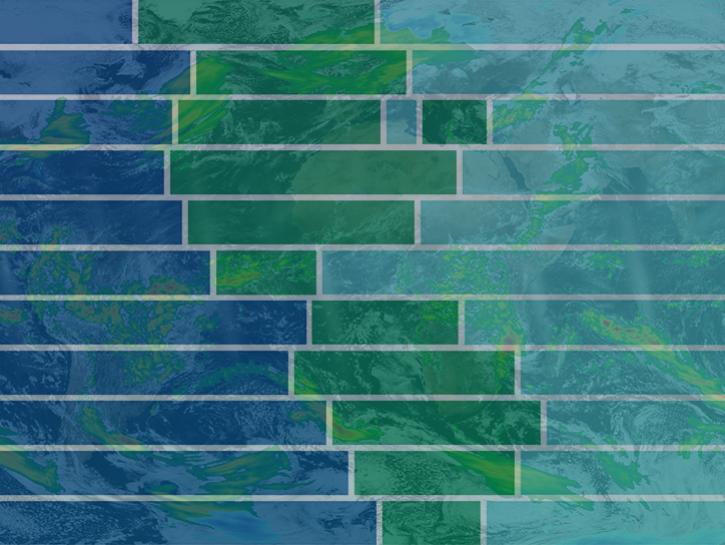
NASA GLOBE Clouds is an international citizen science program that collects cloud observations from participants around the world and compares them with satellite data. Learn more about the benefits and limitations of this citizen science data for scientific inquiry.
Webinar
April 15, 2022

Cette formation ARSET explique comment appliquer les données de télédétection du UN Biodiversity Lab pour la conservation et le développement durable.
Training
April 14 - May 4, 2022
Esta capacitación de ARSET cubre cómo usar datos del UN Biodiversity Lab para conservación y desarrollo sostenible.
Training
April 14 - May 4, 2022
This ARSET training shares how to apply UN Biodiversity Lab remote sensing/geospatial data for conservation and sustainable development priorities.
Training
April 14 - May 4, 2022
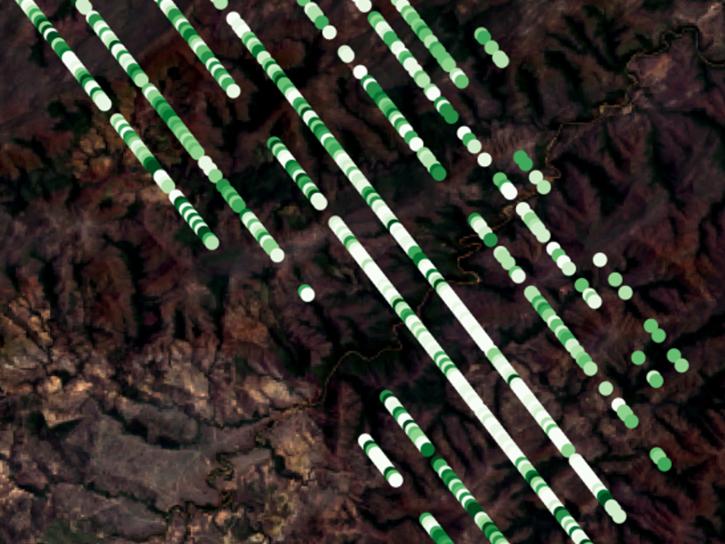
Read highlights of three publications that detail how NASA Earth observation data are used to map wildfire fuel loads, analyze volcanic ash composition, and improve soil respiration models in agricultural systems.
Data in Action
March 15, 2022

Satellite observations complement other sensors to gauge Earth’s energy imbalance (EEI) more accurately.
Data in Action
Feb. 18, 2022
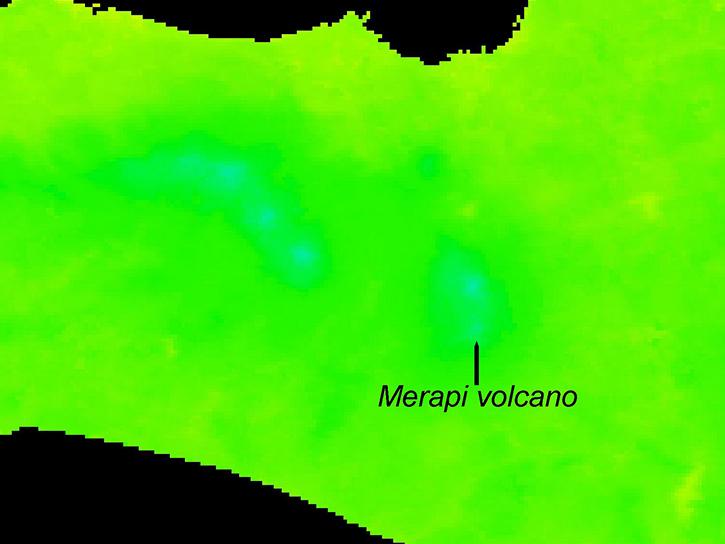
Learn how researchers used NASA data to map Amazon carbon flux, mosquito disease transmission zones, and volcanic activity patterns for environmental monitoring and risk assessment.
Data in Action
Feb. 3, 2022
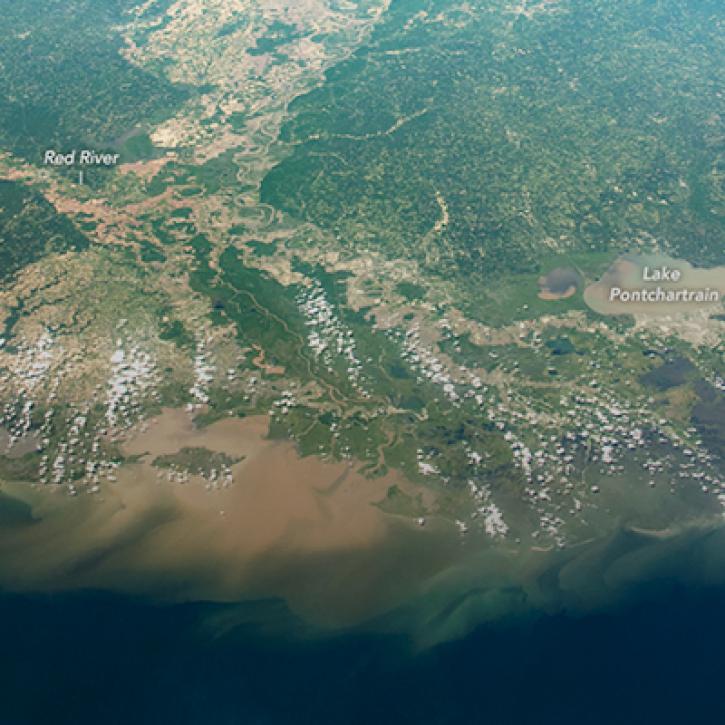
NASA Models Reveal Climate-Induced and Management Impacts on the Mississippi River Delta
StoryMap
Feb. 1, 2022
SHOWING 8 OF 231
Terra News
View All News
Filters
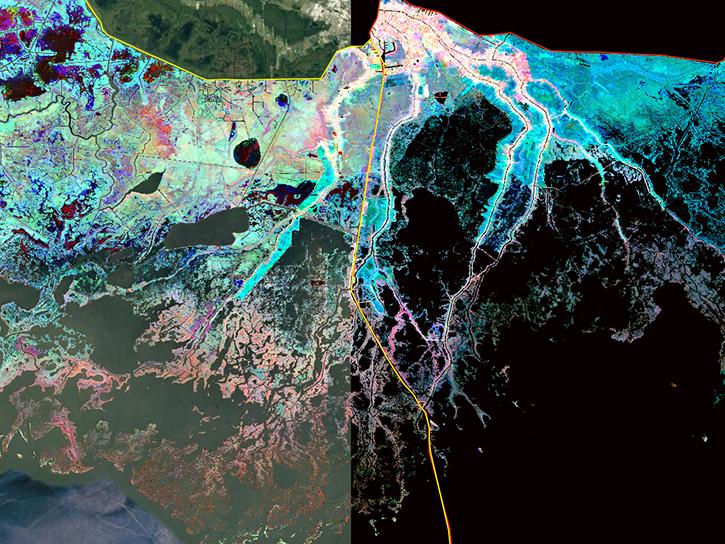
Join us to learn more about datasets and tools that enable the harmonization of remote sensing and in situ ecological data products for site-based research.
Webinar
Aug. 22, 2024
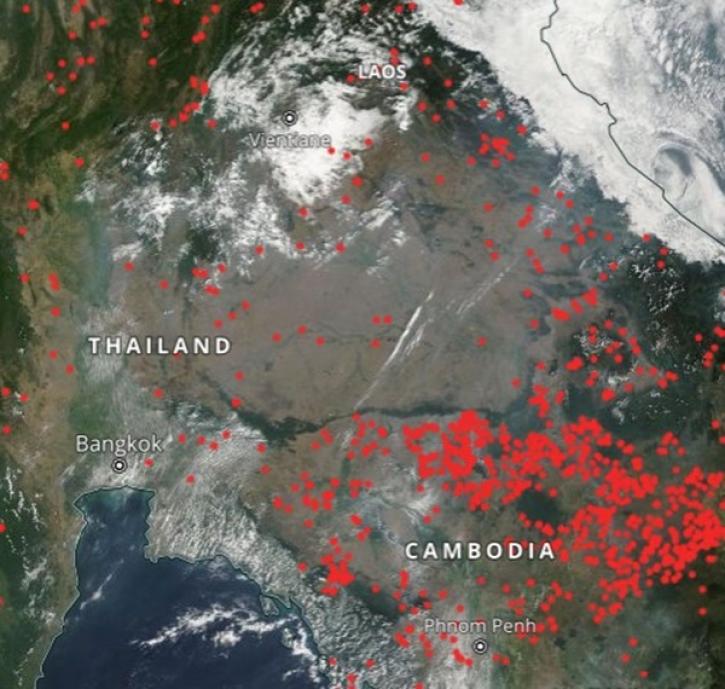
Geographer Veerachai Tanpipat promotes the use of NASA's Fire Information for Resource Management System (FIRMS) throughout the Lower Mekong River Region.
Feature Article
Aug. 20, 2024
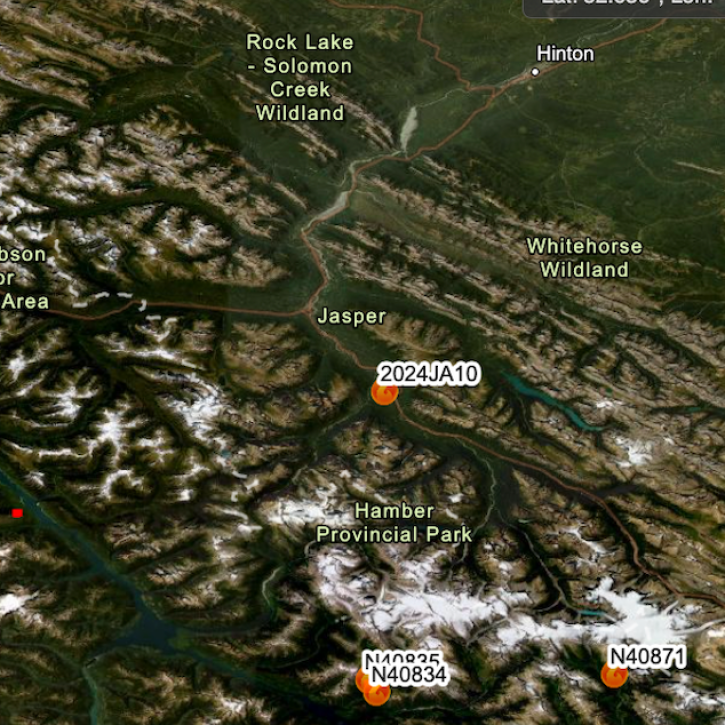
Satellite instruments have trouble discerning fire activity under heavy clouds or smoke cover. These conditions can limit active fire detection.
Blog
Aug. 9, 2024
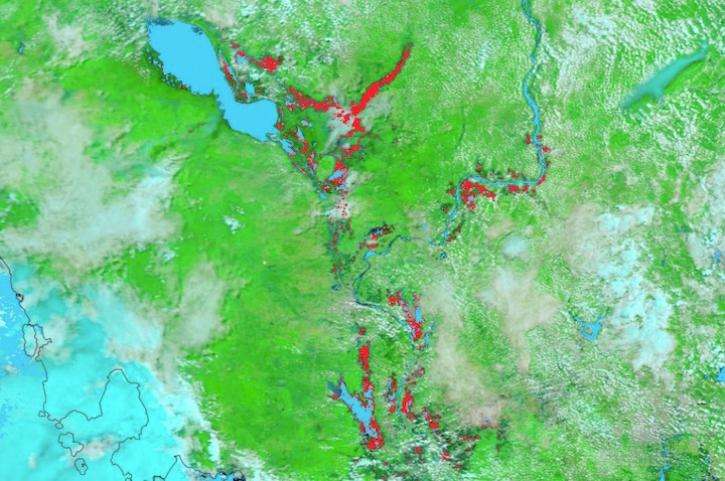
Image captured on August 7, 2024, by the MODIS instrument aboard NASA's Terra satellite.
Worldview Image of the Week
Aug. 8, 2024
A summary of datasets, products, and resources released by NASA's Distributed Active Archive Centers (DAACs) in July 2024.
News
Aug. 6, 2024
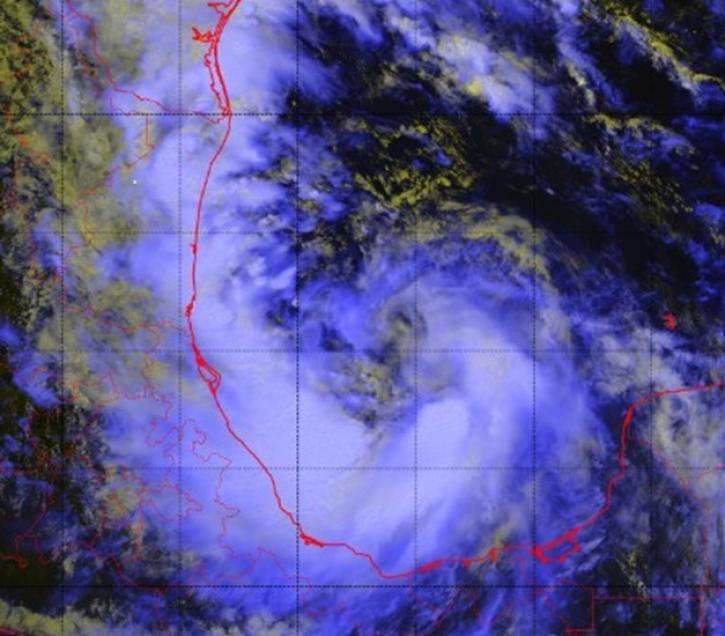
Data from NASA’s Land, Atmosphere Near real-time Capability for Earth observations (LANCE) are critical to the Navy’s tropical cyclone forecasts.
Data User Story
July 1, 2024
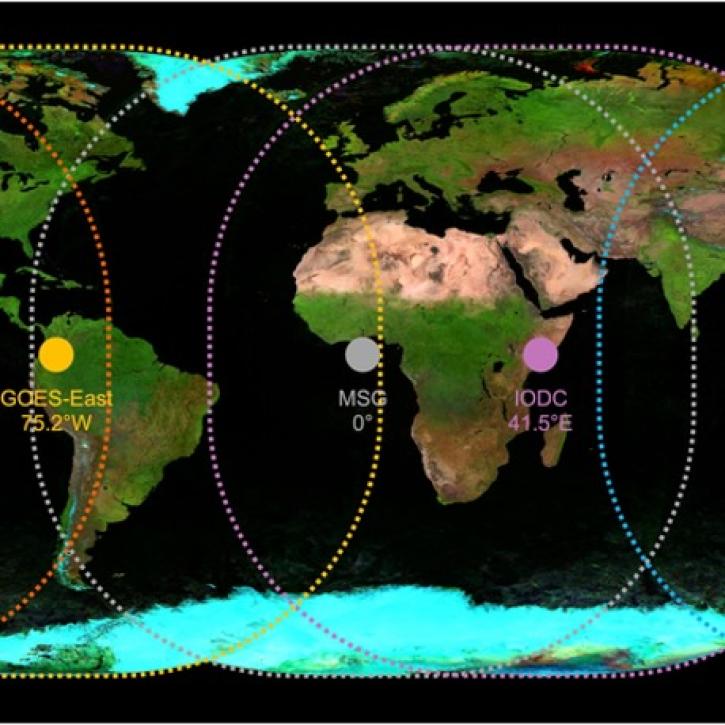
Active fire detection data from five geostationary sensors are available in NASA's Fire Information for Resource Management System (FIRMS) and collectively provide global coverage.
Blog
June 27, 2024
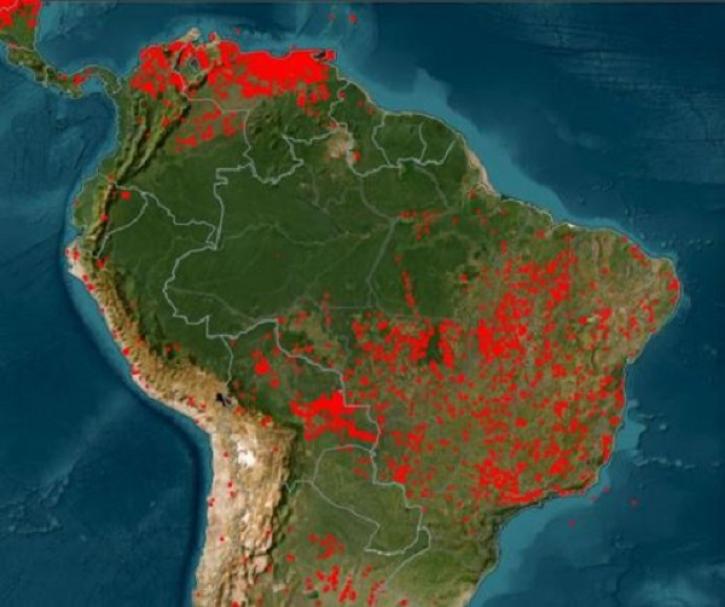
Global and US/Canada active Fire Maps enable users to visualize the location, extent, and impact of wildfires with minimal delay.
Feature Article
June 24, 2024
SHOWING 8 OF 448
Frequently Asked Questions
Earthdata Forum
Our online forum provides a space for users to browse thousands of FAQs about research needs, data, and data applications. You can also submit new questions for our experts to answer.
Submit Questions to Earthdata Forumand View Expert Responses