We are in the process of migrating all NASA Earth science data sites into Earthdata from now until end of 2026. Not all NASA Earth science data and resources will appear here until then. Thank you for your patience as we make this transition.
Read about the Web Unification Project
Terra Resources
Documents
| Name Sort descending | Description | File Type | Date Published | |
|---|---|---|---|---|
| GOMACCS Local Mode Sites | Path and Block sites for GOMACCS locations Cameron LA, Gulf Shelf E, Gulf Shelf W, Houston, and La Copita | PDF (90.37 kb) | March 24, 2021 | |
| High Resolution MODIS Ocean Color | High Resolution MODIS Ocean Color | PPT (1.63 mb) | April 5, 2006 | |
| Maturity Level Definitions | Maturity Level Definitions | PDF (62.28 kb) | March 25, 2021 | |
| MISR Aerosol Climatology Product Quality Statement | Here is a description of the document: This document is a Quality Statement for the MISR Aerosol Climatology Product (ACP), dated December 1, 2007, authored by Ralph Kahn and Michael Bull. It describes the ACP, which is a key input to the MISR (Multi-angle Imaging SpectroRadiometer) aerosol retrieval algorithm. The ACP defines mixtures of up to three component aerosol types—characterized by particle size (small, medium, large), single-scattering albedo (dirty, clean), and shape (spherical, nonspherical)—that are compared against observed radiances to retrieve aerosol optical depth. The product consists of three parts: the Aerosol Physical and Optical Properties (APOP) file describing individual aerosol components, the Aerosol Mixture file specifying component mixtures, and the Aerosol Clim-Likely file providing a global monthly climatology of aerosol amount and type. The statement highlights major changes, known problems, and limitations in the product version, including updates to dust models, revised particle size thresholds, and the removal of fields related to particle hydration state. |
PDF (130.58 kb) | Dec. 1, 2007 | |
| MISR ARCTAS Images | This document is a daily image catalog for the MISR (Multi-angle Imaging SpectroRadiometer) instrument in support of the ARCTAS (Arctic Research of the Composition of the Troposphere from Aircraft and Satellites) campaign during 2008. It is organized as a tabular index of MISR observations over several Arctic and sub-Arctic sites—including Cold Lake, Great Slave Lake, Fairbanks, and NSA Barrow—spanning from April through July 2008. For each observation date, the document lists the orbit number, orbital path, and target site, along with links to downloadable imagery in JPEG and TIFF formats across multiple data products: standard-resolution nadir and 70° aft camera images, local-mode full-resolution nadir and aft camera images, aerosol optical depth maps at 17.6 km resolution, stereo height retrievals at 1.1 km resolution, and composite images. The catalog also notes where data were unavailable or where no local mode acquisitions occurred for a given overpass. | PDF (923.47 kb) | Aug. 20, 2024 |
SHOWING 5 OF 60
Terra Learning Resources
This ARSET training focuses on using NASA data products for monitoring human settlements and landscapes during armed conflict and forced displacement.
Training
June 14-23, 2022
This ARSET training focuses on introducing evapotranspiration (ET) products derived from remote sensing observations.
Training
June 1-15, 2022

Join us to learn how to search and order datasets from NASA's Level-1 and Atmosphere Archive and Distribution System Distributed Active Archive Center (LAADS DAAC). Subsetting, reprojection, and data output post-processing operations in the Find Data tool will also be featured.
Webinar
May 18, 2022
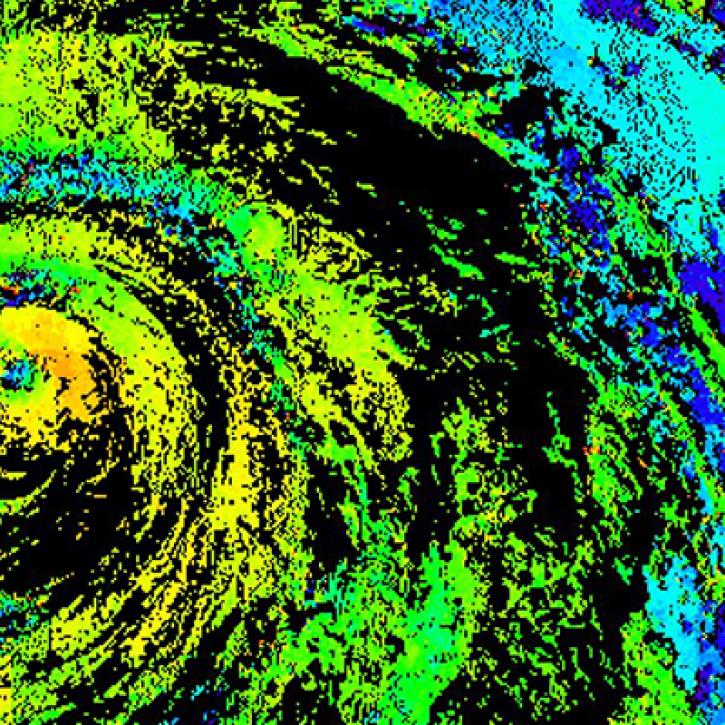
Near real-time monitoring of tropical storms and observations of previous hurricanes.
StoryMap
April 28, 2022

Join us to learn how to discover, subset, access and visualize both MODIS and VIIRS data products using a suite of user-friendly tools developed by NASA's ORNL DAAC.
Webinar
April 19, 2022
Through NASA FIRMS, users can interactively view fire data via the Fire Map, search for both VIIRS and MODIS active fires/hotspots and sign-up to receive automated Fire Email Alerts for their geographic areas of interest. Join us to learn more!
Webinar
April 19, 2022

Want to learn how to use R and Python to work with remote sensing data? Join us as we demonstrate how to perform basic data preparation, processing, computation, and visualization techniques using ASTER and VIIRS Surface Reflectance data.
Webinar
April 18, 2022
Learn how SeaBASS can be leveraged for data search, discovery, and access, and will demonstrate how SeaBASS supports NASA’s ocean color satellite products and the broader scientific community.
Webinar
April 18, 2022
SHOWING 8 OF 231
Terra News
View All News
Filters
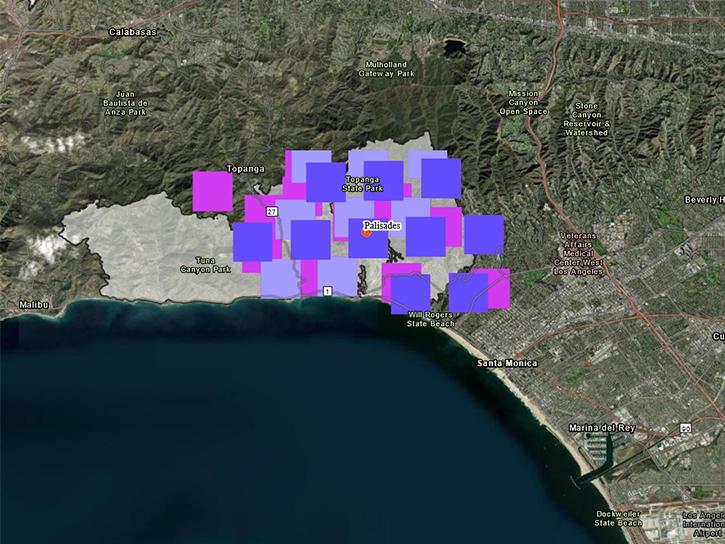
Satellite-based maps offer quick first alerts and approximate locations of potential wildfires that are then precisely tracked and fought by teams on the ground.
Feature Article
Jan. 13, 2025
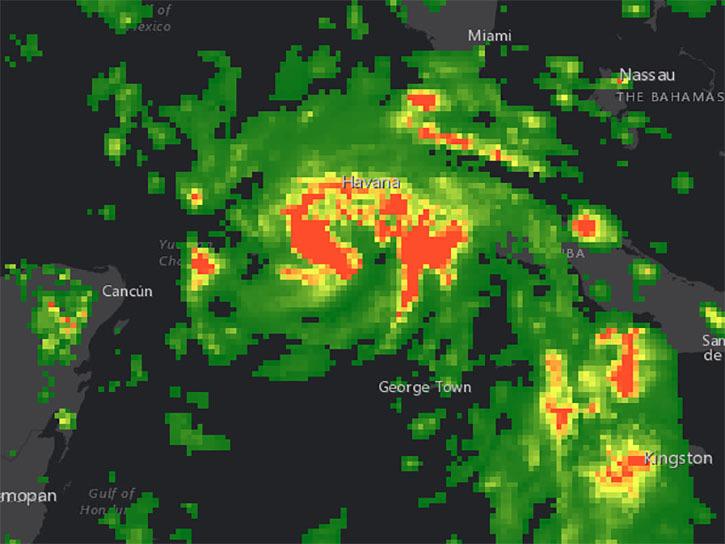
The atlas now features NASA Earth science data formatted specifically for geographic information systems (GIS) users.
Feature Article
Jan. 7, 2025
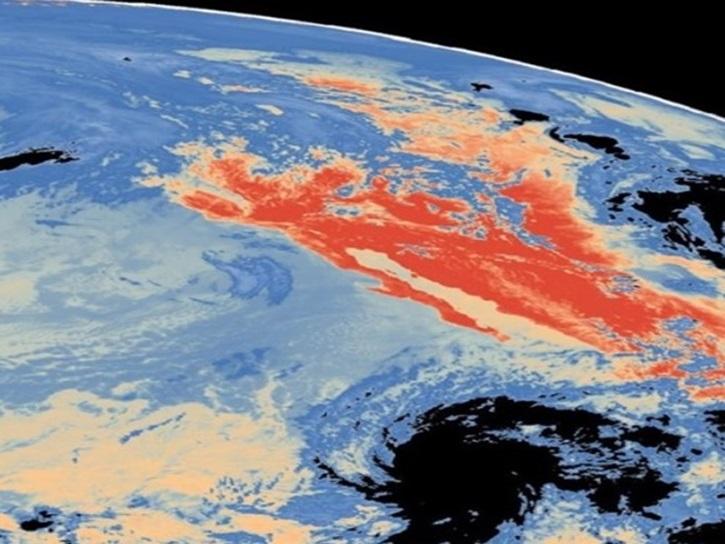
A summary of datasets, products, and resources released by NASA’s Distributed Active Archive Centers (DAACs) in December 2024.
News
Jan. 6, 2025
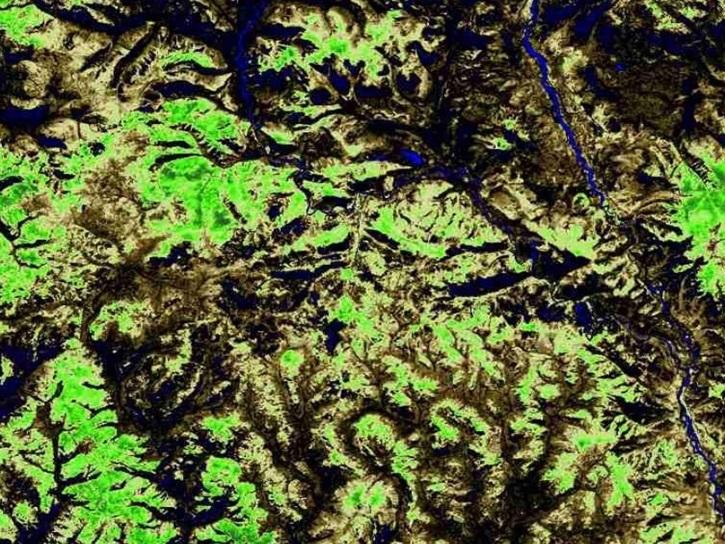
A summary of datasets, products, and resources released by NASA’s Distributed Active Archive Centers (DAACs) in November 2024.
News
Dec. 4, 2024

To celebrate GIS Day, take a peek at these illuminating examples of NASA Earth Science leveraging Geographic Information Systems (GIS) to understand our home planet.
News
Nov. 20, 2024
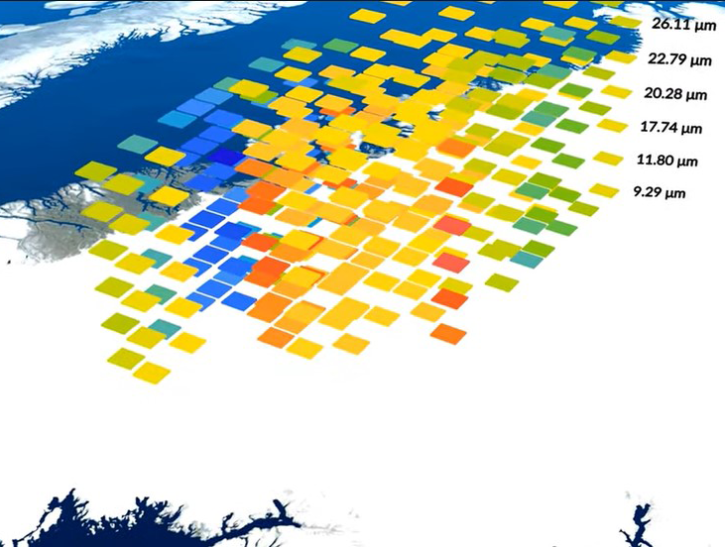
A summary of datasets, products, and resources released by NASA’s Distributed Active Archive Centers (DAACs) in October 2024.
News
Nov. 4, 2024
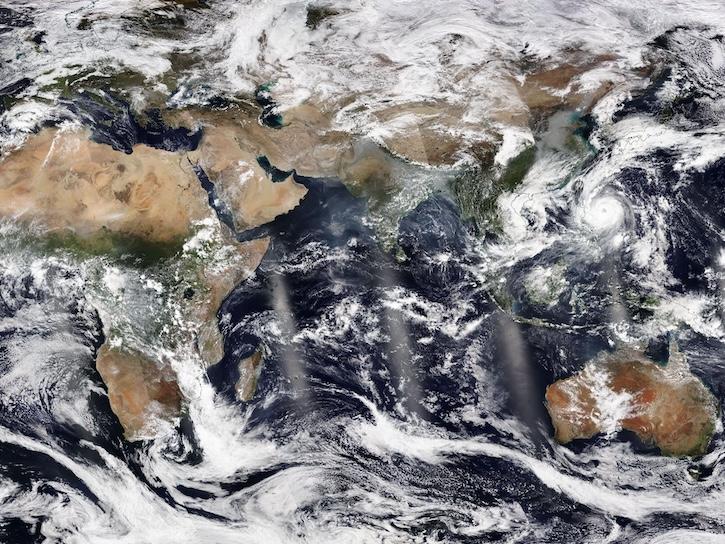
The Visible Infrared Imaging Radiometer Suite (VIIRS) will help ensure continuity of Earth observations after the upcoming retirement of the Moderate Resolution Imaging Spectroradiometer (MODIS).
Blog
Nov. 1, 2024
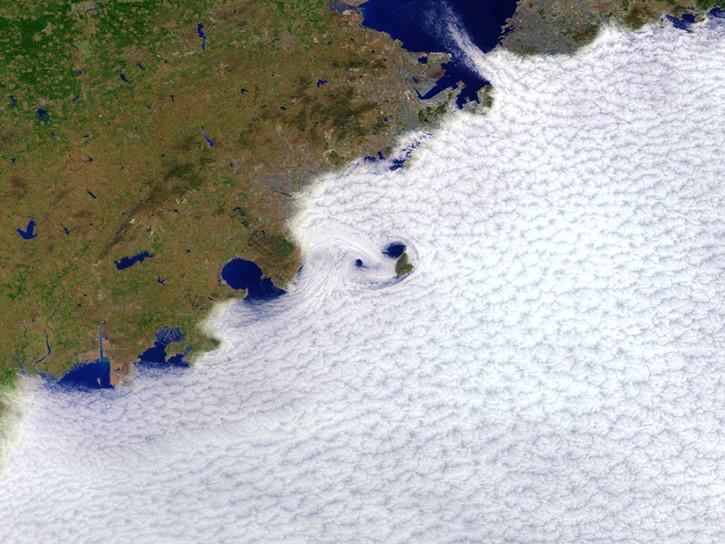
This dataset identifies cloudy and clear-sky scenes to ensure long term, reliable measurements of the Earth system.
News
Oct. 16, 2024
SHOWING 8 OF 448
Frequently Asked Questions
Earthdata Forum
Our online forum provides a space for users to browse thousands of FAQs about research needs, data, and data applications. You can also submit new questions for our experts to answer.
Submit Questions to Earthdata Forumand View Expert Responses