Delivery of Suomi National Polar-orbiting Partnership (Suomi NPP) satellite data products will cease on November 1, 2026. Data users should transition now to alternative products from NOAA-21 and NOAA-20.
Suomi NPP data announcement
Filters
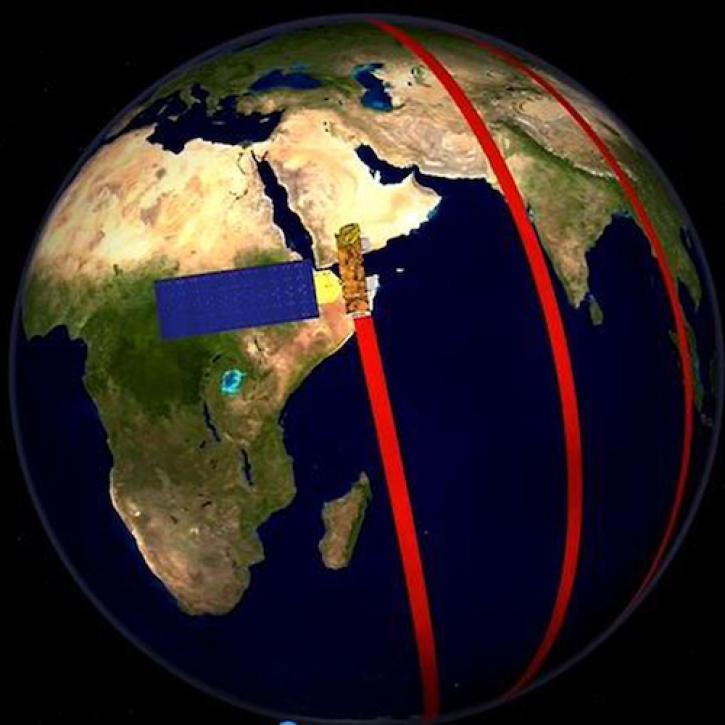
Along with NASA engineers, NASA’s Earth Science Mission Operations (ESMO) Project is credited with Aqua’s remarkable longevity in space
Feature Article
May 19, 2022
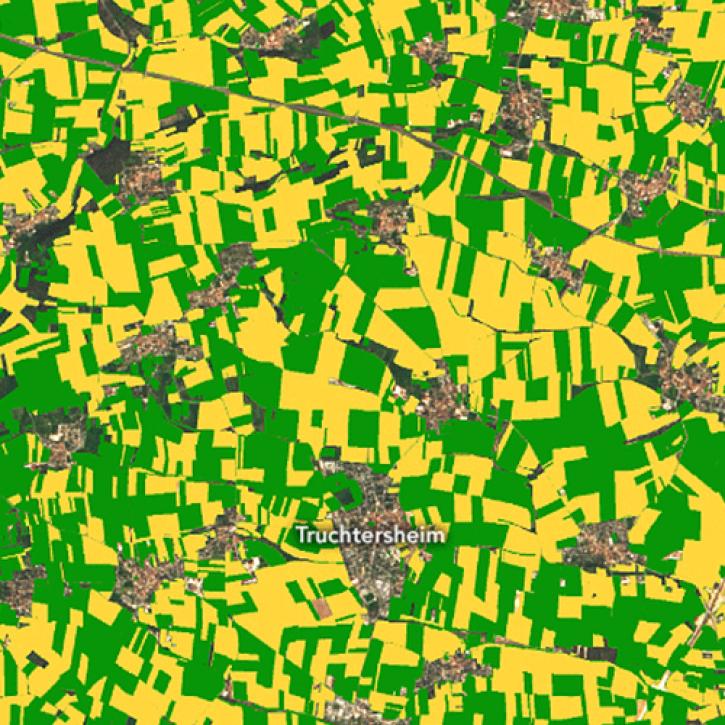
New research uses 3D lidar profiles of Earth's surface to map where corn is being grown.
Feature Article
May 18, 2022
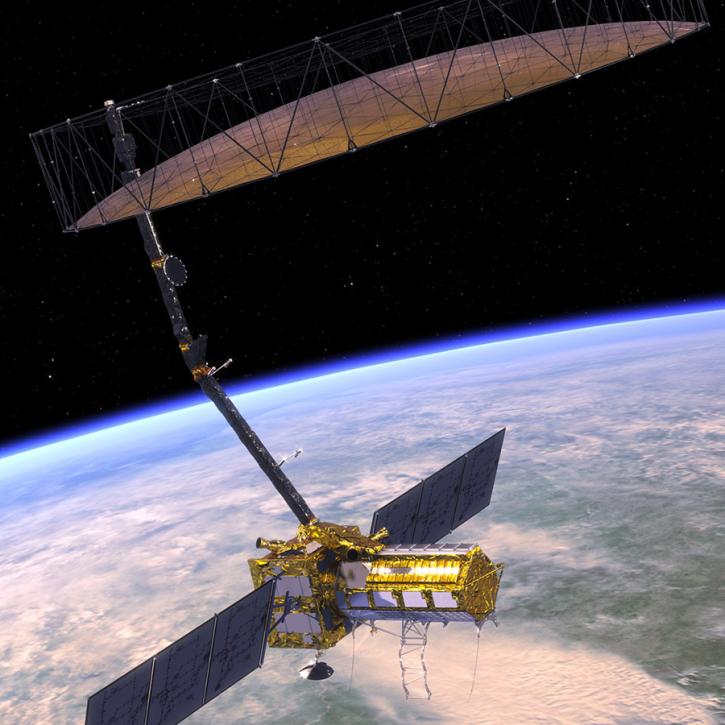
Harmony, NASA’s Earthdata Cloud Services System, allows users to produce analysis-ready data by subsetting, reprojecting, and converting data to a cloud-optimized format.
Feature Article
May 18, 2022

A NASA Airborne and Field Data Working Group workshop gathered valuable feedback to improve the acquisition and use of airborne and field data.
Feature Article
May 18, 2022
Customer satisfaction scores for EOSDIS products and services rose to their highest level, outpacing previous survey benchmarks
Feature Article
May 18, 2022
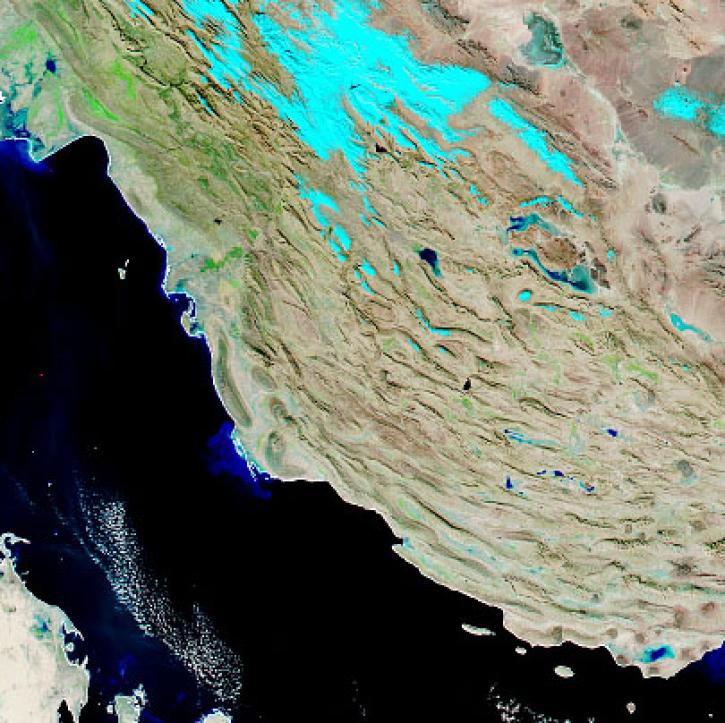
With the eventual retirement of the Terra and Aqua platforms, the Visible Infrared Imaging Radiometer Suite (VIIRS) instruments will take the lead in daily Earth observations.
Feature Article
May 18, 2022

This Earth Day we invite you to explore global, full-resolution NASA Earth science imagery to see volcanoes erupting, wildfires spreading, tropical cyclones forming, and city lights illuminating. With NASA Worldview, you can also take a snapshot, create an animated GIF, or compare imagery from two dates to view changes over time.
Feature Article
May 17, 2022
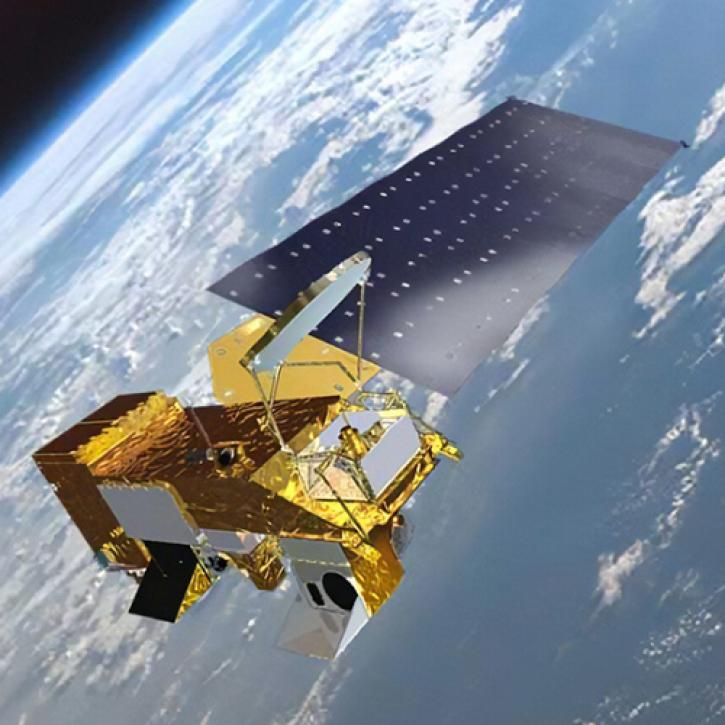
Since 2002, NASA’s Aqua satellite has orbited the Earth more than 100,000 times, and produced one of the longest near-continuous records of Earth observation data ever assembled.
Feature Article
May 17, 2022
SHOWING 8 OF 535