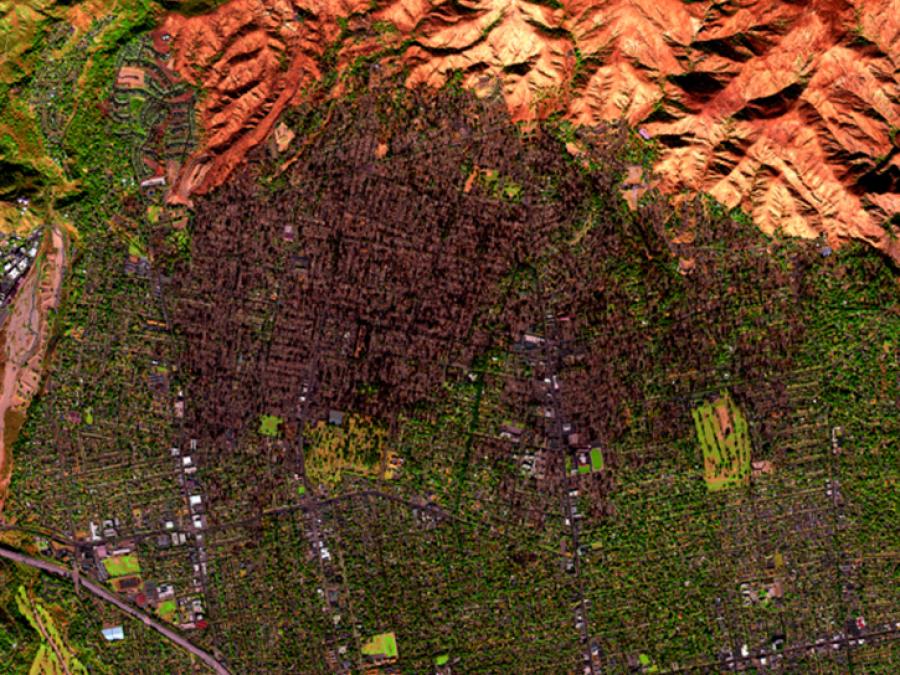
satellite image of Altedena, California
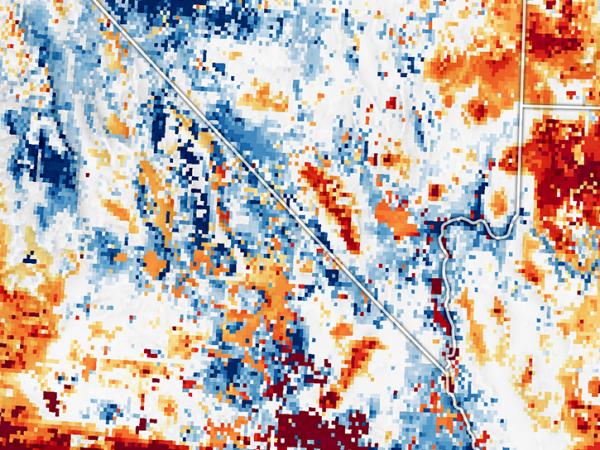
soil moisture data over California
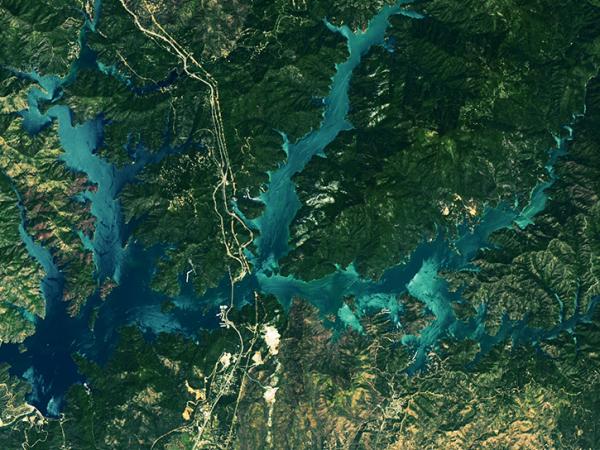
satellite image of Lake Shasta

WDTS

Western Diversity Time Series

The Western Diversity Time Series (WDTS) field investigation uses multispectral imagery to observe California's ecosystems and provide information on natural disasters such as volcanoes, wildfires, and drought. 

The WDTS team collects seasonal visible to shortwave infrared (VSWIR) and thermal infrared (TIR) airborne imagery using instruments—including the Airborne Visible/Infrared Imaging Spectrometer (AVIRIS-C), MODIS/ASTER Airborne Simulator (MASTER), Hyperspectral Thermal Emission Spectrometer (HyTES), and Pushbroom Imager for Cloud and Aerosol Research and Development (PICARD)—mounted on a NASA ER-2 high-altitude platform.

WDTS aims to provide benchmark data on the state of ecosystems against which future changes could be assessed. WDTS started in 2020 and is a continuation of the HyspIRI Airborne campaign, which took place from 2013 to 2018.

Principal Investigator

Simon Hook, Robert Green

Data Centers

ORNL DAAC
Study Dates2020 to present
Season of StudyYear round
RegionCalifornia, Nevada, and coastal Pacific Ocean
Focus AreasBiosphere
Atmosphere
Geosphere
Scientific TopicsLand cover
Land cover changes
Land use
Vegetation
Land surface temperature
Radiance
Emissivity
Visible imagery
Thermal infrared imagery
Shortwave infrared imagery
Ecosystem
Land characteristics
 
PlatformInstrument(s)
ER-2

Airborne Visible/Infrared Imaging Spectrometer - Classic (AVIRIS-C)

Airborne Visible InfraRed Imaging Spectrometer – 5th Generation (AVIRIS-5)

Hyperspectral Thermal Emission Spectrometer (HyTES)

MODIS/ASTER Airborne Simulator (MASTER)

Pushbroom Imager for Cloud and Aerosol Research and Development (PICARD)

HySpex

Airborne Multiangle SpectroPolarimetric Imager (AirMSPI)