MASTER data
MASTER data
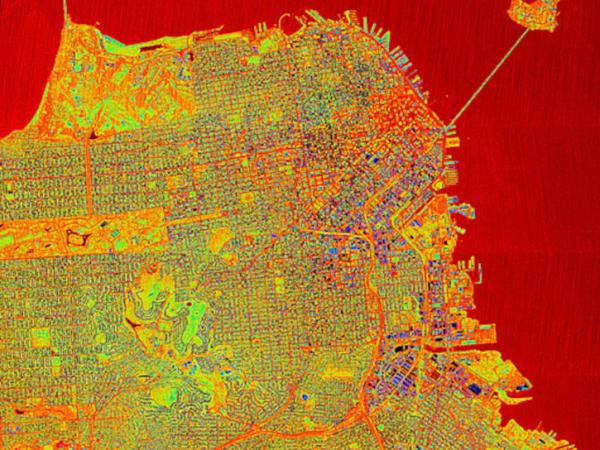
MASTER data collected at San Francisco to identify thermally inefficient buildings

MASTER

MODIS/ASTER Airborne Simulator

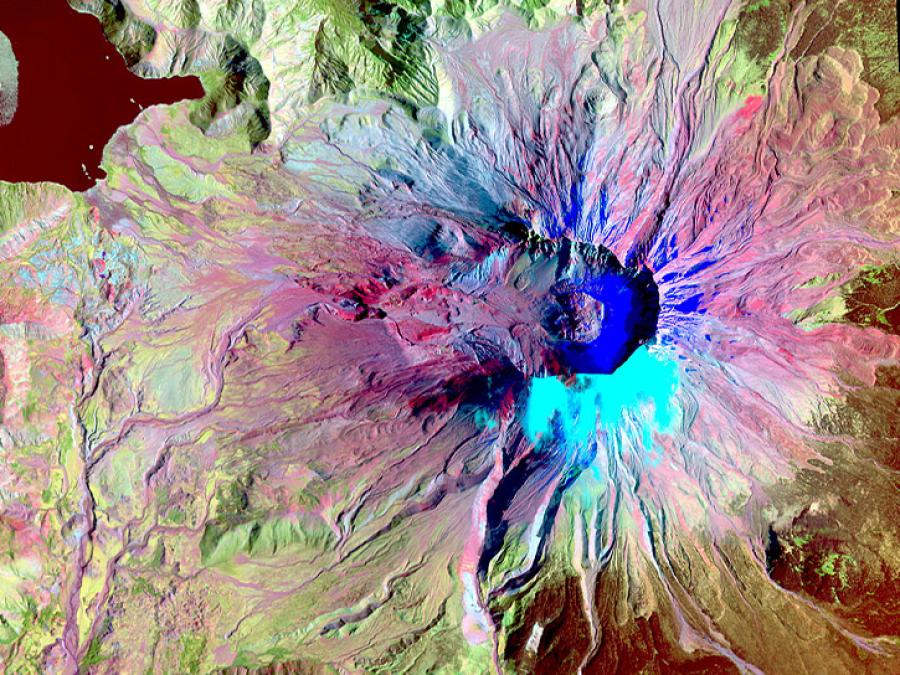
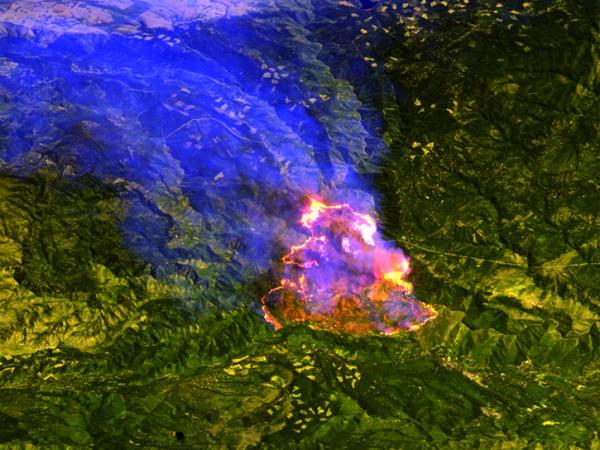
The MODIS/ASTER Airborne Simulator (MASTER) project manages the lifecycle of data derived from the MASTER spectrometer. The scanning spectrometer flies on a variety of multi-altitude research aircraft, and it provides data similar to those gathered by the Moderate Resolution Imaging Spectroradiometer (MODIS) and the Advanced Spaceborne Thermal Emission and Reflection Radiometer (ASTER) spaceborne instruments.

MASTER first flew in 1998 and has had ongoing deployments as a facility instrument in the NASA Airborne Science Program. MASTER is a joint project involving the Airborne Sensor Facility (ASF) at NASA Ames Research Center, the NASA Jet Propulsion Laboratory (JPL), and the USGS Earth Resources Observation and Science (EROS) Center.

The MASTER instrument team devotes considerable effort to ensuring the quality and accuracy of its data products. If you publish scientific results involving MASTER data, please include a reference to:

  • Hook, S.J. Myers, J.J., Thome, K.J., Fitzgerald, M. and A.B. Kahle, 2001: The MODIS/ASTER airborne simulator (MASTER) - a new instrument for earth science studies. Remote Sensing of Environment, vol. 76, Issue 1, pp. 93-102.
Study Dates1998 - present
RegionUnited States, Pacific Ocean, Central America, Greenland, Mexico, Gulf of Mexico, Oceania, East Asia, and South East Asia
Focus AreasBiosphere
Atmosphere
Geosphere
Hydrosphere
Cryosphere
Scientific TopicsEcosystem mapping
Vegetation health
Land cover changes
Geological patterns
Spectral properties of Earth surfaces
Surface temperature
Emissivity
Urban energy balance
Aerosols
Cloud properties
Atmospheric water vapor
Sea surface temperature
Phytoplankton functional types
Validation and calibration

The following resources provide additional information about the MASTER project.