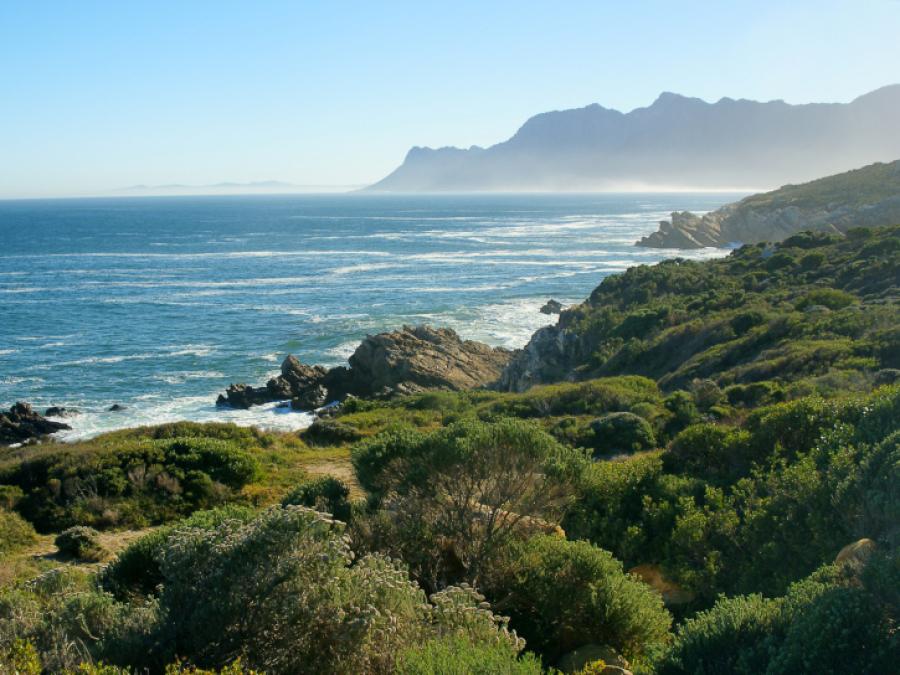
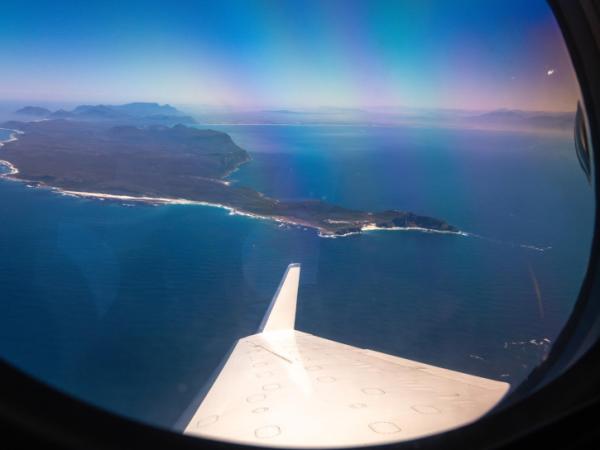
BioSCape in the Greater Cape Floristic Region South Africa
BioSCape airborne
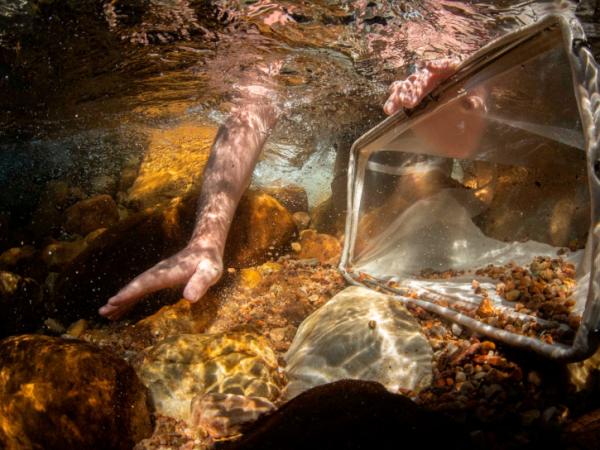
BioSCape aquatic measurement

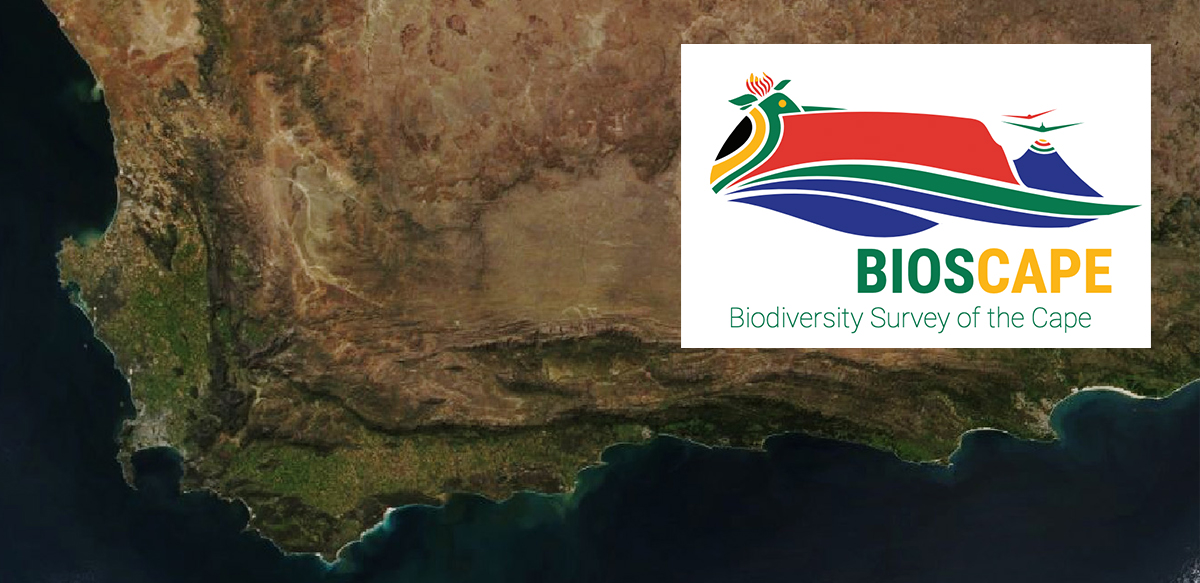
BioSCape

Biodiversity Survey of the Cape

The Biodiversity Survey of the Cape (BioSCape) is a research project that uses remote sensing and field data to understand the distribution, function, and importance of biodiversity on land and in the water around the Greater Cape Floristic Region (GCFR). Located in southwestern South Africa along the Atlantic coast, the GFCR is one of the world’s 36 biodiversity hotspots. 

BioSCape is a collaboration between the US and South Africa. The team conducted an integrated field and airborne campaign in the hyperdiverse region in 2023. Researchers collected laser altimetry LiDAR data and UV/visible to short wavelength infrared (UVSWIR) and thermal imaging spectroscopy data over terrestrial and aquatic targets using four airborne instruments: AVIRIS-NG, PRISM, LVIS, and HyTES.

This airborne dataset is unique in its size and scope and unprecedented in its instrument combination and level of detail. These airborne data are accompanied by a range of biodiversity-related field observations.

Principal Investigator

Adam Wilson, Erin Hestir, Jasper Slingsby

Partners

Data Centers

ORNL DAAC
NSIDC DAAC
OB.DAAC

Funding Programs

NASA Biological Diversity and Ecological Conservation
South African Environmental Observation Network (SAEON)
United Nations Educational, Scientific and Cultural Organization (UNESCO)
Campaign DatesOctober 16, 2023 - November 26, 2023
Season of CampaignAustral spring
RegionSouth Africa’s Greater Cape Floristic Region (GCFR)
Focus AreasBiosphere
Scientific Topics
Biodiversity
Biodiversity Distribution 
Biodiversity Abundance
Biodiversity Change
Ecosystem Structure
Ecosystem Composition
Global Change Feedback
Ecosystem Functions
Ecological Change Drivers

The following resources provide additional information about the BioScape campaign.