We are in the process of migrating all NASA Earth science data sites into Earthdata from now until end of 2026. Not all NASA Earth science data and resources will appear here until then. Thank you for your patience as we make this transition.
Read about the Web Unification Project
Sentinel-1 C-SAR Resources
Earthdata resources for users working with NASA’s Sentinel-1 C-band Synthetic Aperture Radar data include tutorials and other learning resources, news announcements such as instrument updates and data releases, user guides and related documents, and frequently asked questions.
Sentinel-1 C-SAR Learning Resources
This tutorial demonstrates the impact that water masking can have on your phase unwrapping results.
Tutorial
Aug. 23, 2024
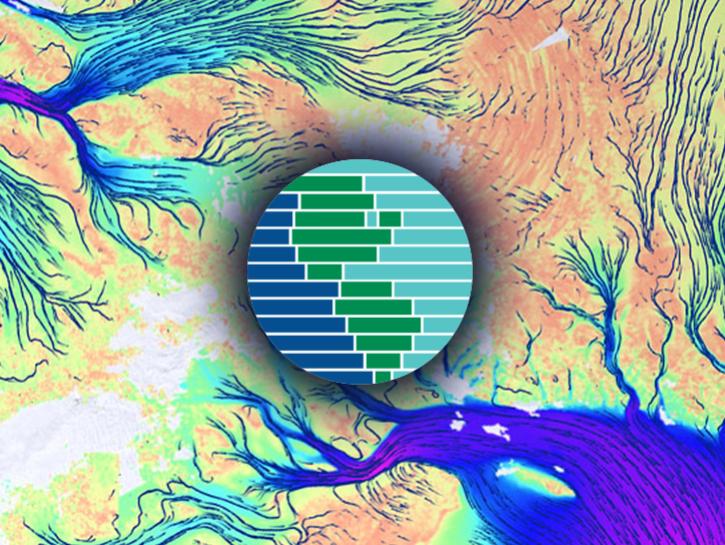
Discover the process of using synthetic aperture radar (SAR) for visualizing changes in a landscape caused by disturbances such as floods, deforestation, agriculture, and freeze/thaw cycles.
Tutorial
March 23, 2024
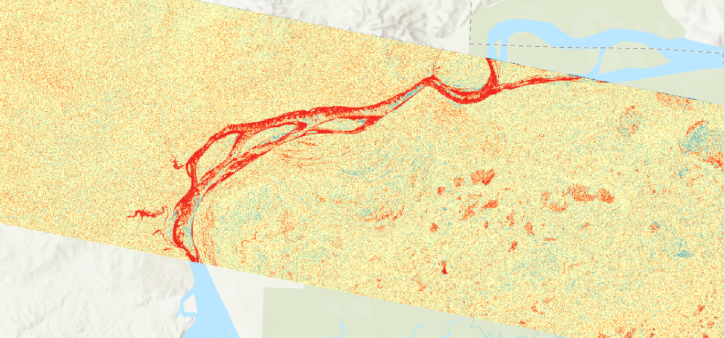
View a change detection workflow for Radiometric Terrain-Corrected products from Sentinel-1 (RTC-S1) provided by NASA's Observational Products for End-Users from Remote Sensing Analysis (OPERA) project.
StoryMap
March 4, 2024
Access cloud-optimized Sentinel-1 radiometric terrain corrected synthetic aperture radar (SAR) backscatter products from NASA's Observational Products for End-Users from Remote Sensing Analysis (OPERA) project.
Tutorial
Dec. 1, 2023
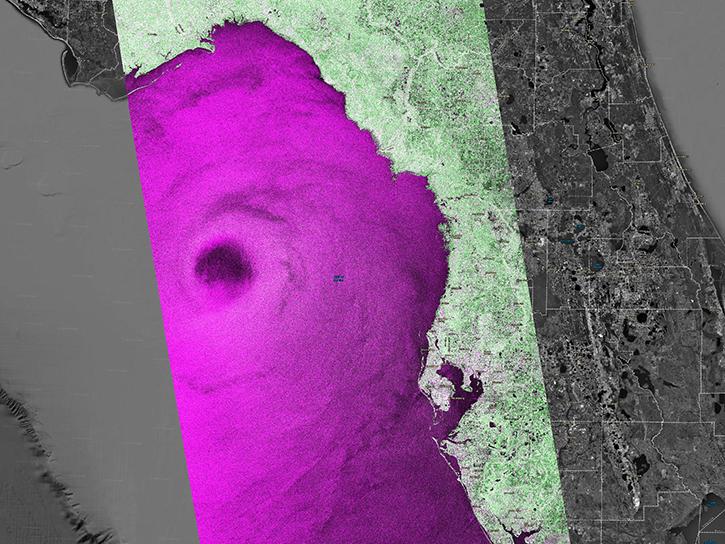
Access cloud-optimized Sentinel-1 radiometric terrain corrected synthetic aperture radar (SAR) backscatter products from NASA's Observational Products for End-Users from Remote Sensing Analysis (OPERA) project.
StoryMap
Dec. 1, 2023
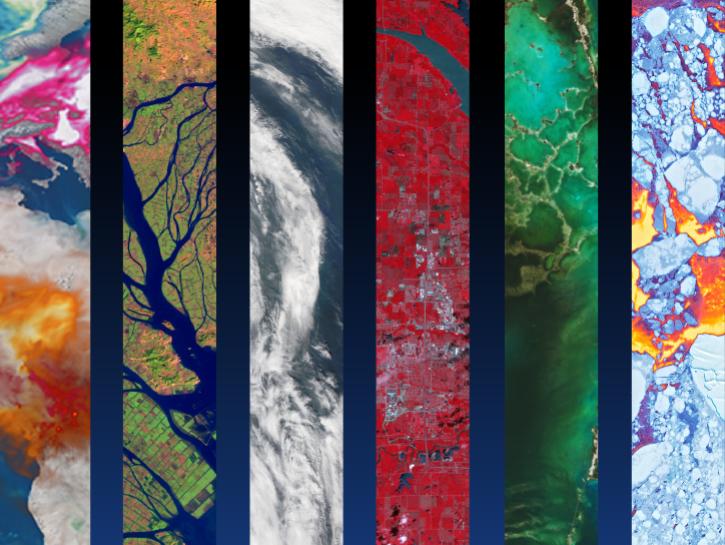
Sentinel-1 Single Look Complex (SLC) products include three sub-swaths, each containing many individual burst SLCs. Working at the burst level provides several key benefits.
Tutorial
June 14, 2023

Work with Sentinel-1 Burst products from NASA’s Alaska Satellite Facility Distributed Active Archive Center (ASF DAAC).
StoryMap
June 14, 2023
Learn about median 6-, 12-, 18-, 24-, 36- and 48-day seasonal coherence values and mean seasonal backscatter for Sentinel-1 acquisitions from December 1, 2019 through November 30, 2020.
Tutorial
Dec. 1, 2022
SHOWING 8 OF 57
NASA's ASF DAAC released the Global Seasonal Sentinel-1 Interferometric Coherence and Backscatter Dataset.
News
March 11, 2022

NASA’s Land, Atmosphere Near real-time Capability for EOS (LANCE) helps scientists like Dr. Glasscoe assess risks and responses to natural hazards on a global scale.
Data User Story
Dec. 8, 2021

Synthetic Aperture Radar (SAR) Data from NASA’s ASF DAAC helps scientists like Dr. Steve Bowman provide Utah’s citizens with timely scientific information about the state’s geologic hazards.
Data User Story
June 29, 2021

Talking about Synthetic Aperture Radar (SAR) with Dr. Franz Meyer, Chief Scientist, Alaska Satellite Facility (ASF)
Data User Story
May 12, 2021
SHOWING 4 OF 39
Frequently Asked Questions
Earthdata Forum
Our online forum provides a space for users to browse thousands of FAQs about research needs, data, and data applications. You can also submit new questions for our experts to answer.
Submit Questions to Earthdata Forumand View Expert Responses