We are in the process of migrating all NASA Earth science data sites into Earthdata from now until end of 2026. Not all NASA Earth science data and resources will appear here until then. Thank you for your patience as we make this transition.
Read about the Web Unification Project
Sea Ice Data Access and Tools
NASA has sea ice datasets that help researchers characterize the presence and extent of ice in the ocean. Access a range of data and data tools such as AppEEARS, Worldview, and Giovanni to make the most of sea ice data.
Sea Ice Datasets
| Dataset Sort descending | Version | Platforms | Instruments | Temporal Extent | Spatial Extent | Spatial Resolution | Data Format |
|---|---|---|---|---|---|---|---|
| ATLAS/ICESat-2 L3A Sea Ice Height Quick Look V007 | 007 | ICESat-2 | ATLAS | 2025-06-08 to Present |
N: 88 S: -88 E: 180 W: -180 |
HDF5 | |
| ATLAS/ICESat-2 L3A Sea Ice Height Quick Look V007 | 007 | ICESat-2 | ATLAS | 2025-06-08 to Present |
N: 88 S: -88 E: 180 W: -180 |
HDF5 | |
| ATLAS/ICESat-2 L3A Sea Ice Height V006 | 006 | ICESat-2 | ATLAS | 2018-10-14 to 2025-03-02 |
N: 90 S: -90 E: 180 W: -180 |
HDF5 | |
| ATLAS/ICESat-2 L3A Sea Ice Height V007 | 007 | ICESat-2 | ATLAS | 2018-10-14 to Present |
N: 88 S: -88 E: 180 W: -180 |
HDF5 | |
| ATLAS/ICESat-2 L3B Daily and Monthly Gridded Sea Ice Freeboard V004 | 004 | ICESat-2 | ATLAS | 2018-10-14 to 2025-02-28 |
N: 90 S: -90 E: 180 W: -180 |
25 Kilometers x 25 Kilometers | HDF5 |
| ATLAS/ICESat-2 L3B Daily and Monthly Gridded Sea Ice Freeboard V005 | 005 | ICESat-2 | ATLAS | 2018-10-14 to Present |
N: 89 S: 37 E: 180 W: -180 N: -53 S: -79 E: 180 W: -180 |
25 Kilometers x 25 Kilometers | HDF5 |
| Bootstrap Sea Ice Concentrations from Nimbus-7 SMMR and DMSP SSM/I-SSMIS V004 | 4 | DMSP 5D-2/F11, DMSP 5D-2/F13, DMSP 5D-2/F8, DMSP 5D-3/F17, Nimbus-7 | SSM/I, SSMIS, SMMR | 1978-11-01 to Present |
N: 90 S: 30 E: 180 W: -180 N: -39 S: -90 E: 180 W: -180 |
25 Kilometers x 25 Kilometers | netCDF-4 |
| CryoSat-2 Level-1B Waveforms, Sea Ice Elevation, and Surface Roughness V001 | 1 | CRYOSAT-2 | SIRAL | 2010-09-15 to Present |
N: 90 S: 55 E: 180 W: -180 |
380 Meters x 1650 Meters | netCDF-3 |
| CryoSat-2 Level-4 Sea Ice Elevation, Freeboard, and Thickness V001 | 1 | CRYOSAT-2, DMSP 5D-3/F17 | SIRAL, SSMIS | 2010-09-20 to Present |
N: 90 S: 55 E: 180 W: -180 |
25 Kilometers x 25 Kilometers | PNG, netCDF-3 |
| ECCO Sea-Ice and Snow Concentration and Thickness - Daily Mean 0.5 Degree (Version 4 Release 4) | V4r4 | MODELS, MITgcm | 1992-01-01 to 2018-01-01 |
N: 90 S: -90 E: 180 W: -180 |
0.5 Decimal Degrees x 0.5 Decimal Degrees | netCDF-4 |
SHOWING 10 OF 198
Featured Sea Ice Observation Method: ICESat-2
NASA's Ice, Cloud, and Land Elevation Satellite-2 (ICESat-2) carries a laser altimeter scientists use to measure the elevation of ice sheets, glaciers, sea ice, and more in unprecedented, 3-D detail. The satellite also measures heights across Earth's temperate and tropical regions, and takes stock of the vegetation in forests worldwide.
Data from NASA’s ICESat-2 mission provide incredibly accurate measurements of Earth elevation change—and much more.
8 MIN READ
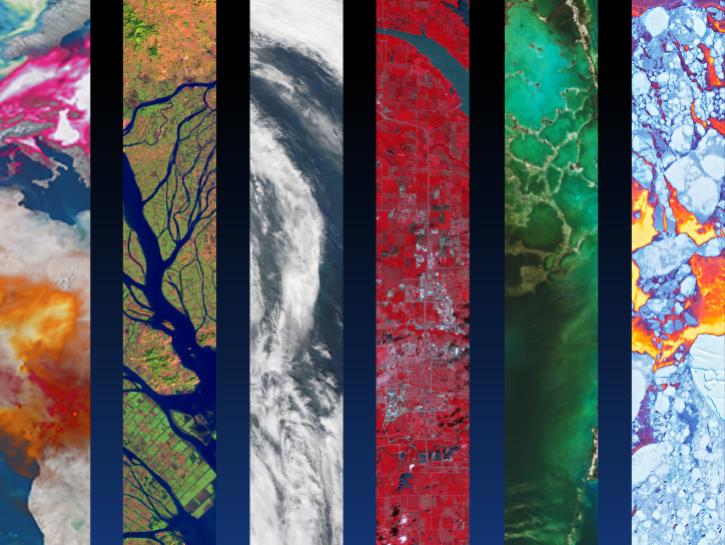
The five new datasets are the result of a joint effort by NASA’s Satellite Needs Working Group Management Office (SNWG MO), ICESat-2 team, and Land, Atmosphere Near real-time Capability for EOS (LANCE).
3 MIN READ
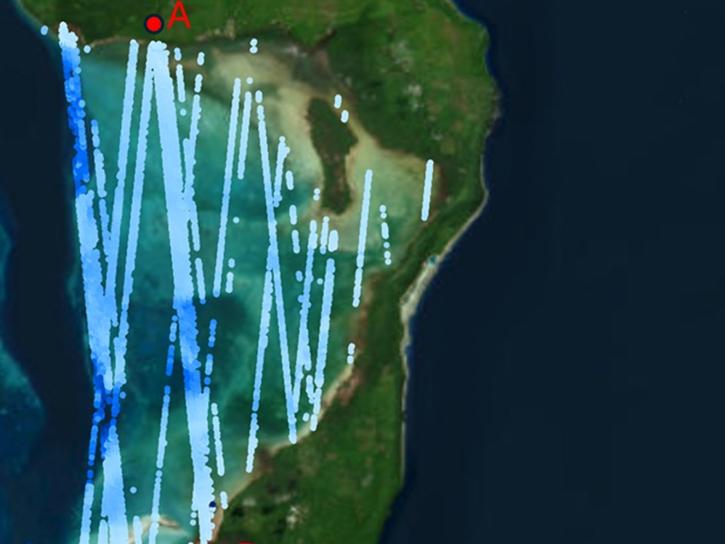
ATL24, a new space-based lidar product, provides bathymetry data that can be used to characterize nearshore habitats and create safer maritime transportation channels.
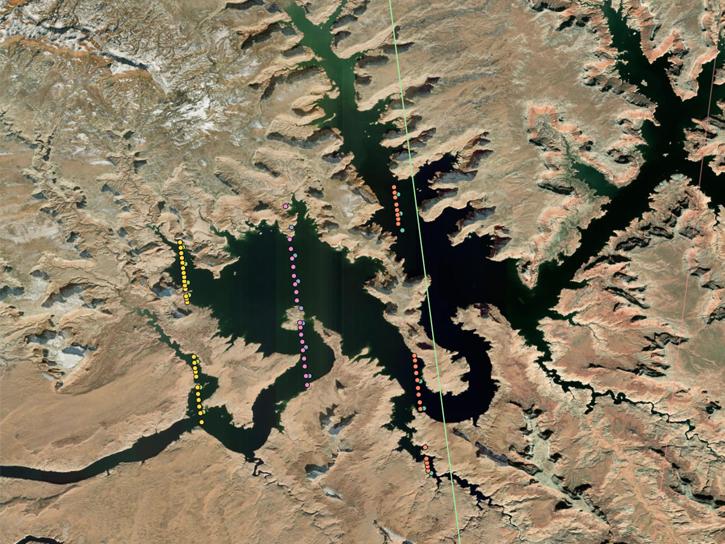
This is the first in a five-part webinar series to introduce NASA's Ice, Cloud, and land Elevation-2 (ICESat-2) platform and the platform's data, tools, and applications.
Sea Ice Data Tools
| Tool Sort descending | Description | Services | |
|---|---|---|---|
| OpenAltimetry | OpenAltimetry is a map-based visualization tool for exploring surface elevation data across Earth over time. | Analysis, Search and Discovery, Visualization |
SHOWING 1 OF 1
Frequently Asked Questions
Earthdata Forum
Our online forum provides a space for users to browse thousands of FAQs about research needs, data, and data applications. You can also submit new questions for our experts to answer.
Submit Questions to Earthdata Forumand View Expert Responses