What is nitrous oxide? 

Nitrous oxide (N2O) is a significant greenhouse gas produced from both natural and anthropogenic sources. Soil- and ocean-dwelling bacteria are major natural sources of N2O, producing the gas while breaking down other nitrogen compounds. Artificial fertilizers can increase the activity of these bacteria, but nitrous oxide can also be directly produced as a byproduct of fuel combustion, industrial processes, and waste processing.

While N2O is scarcer than other greenhouse gases, such as carbon dioxide (CO2), it absorbs infrared radiation at specific wavelengths that CO2 does not. Although the National Ocean and Atmospheric Administration (NOAA) estimates that the atmospheric concentration of N2O is approximately one-thousandth that of CO2, the U.S. Environmental Protection Agency (EPA) estimates that N2O has more than 200 times the warming potential of CO2 per pound. Despite its relative rarity, N2O is thus a major greenhouse gas.

How do we monitor nitrous oxide?

Several NASA missions measure trace gases like nitrous oxide that can have substantial impacts on our atmosphere despite their scarcity. For example, the Microwave Limb Sounder (MLS) on the Aura satellite measures thermal emissions from the edge of Earth’s atmosphere that can be used to extrapolate concentrations of trace gases. The Uncrewed Aircraft Systems (UAS) Chromatograph for Atmospheric Trace Species (UCATS) is an instrument suite that provides rapid and highly precise in situ trace gas measurements from aircraft. In the recent past, instruments like the Tropospheric Emission Spectrometer (TES) were also used to monitor nitrous oxide, adding to a record of atmospheric trace gases that now extends back more than two decades. 

What can we do with nitrous oxide data? 

NASA has been providing near-real-time (NRT) estimates of vertical N2O atmospheric profiles since 2021, helping scientists monitor the balance of nitrogen in the atmosphere and study the role of nitrous oxide in regulating Earth’s temperature and climate. NRT nitrous oxide data can be accessed through NASA Earthdata.

Get Nitrous Oxide Data

Access a range of datasets and data tools to further your nitrous oxide research.

Learn How to Use Nitrous Oxide Data

Access a range of webinars, tutorials, data recipes, and data stories to enhance your knowledge of Earth observation data.
Image of TEMPO Data
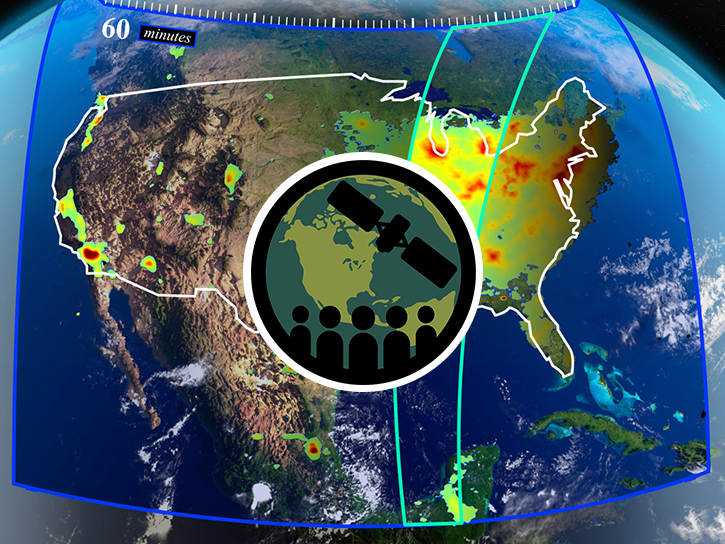
Geostationary Remote Sensing of Trace Gases for Air Quality Applications in North America
This training provides an overview of TEMPO capabilities and available trace gas data products, and illustrate how TEMPO data can be visualized.
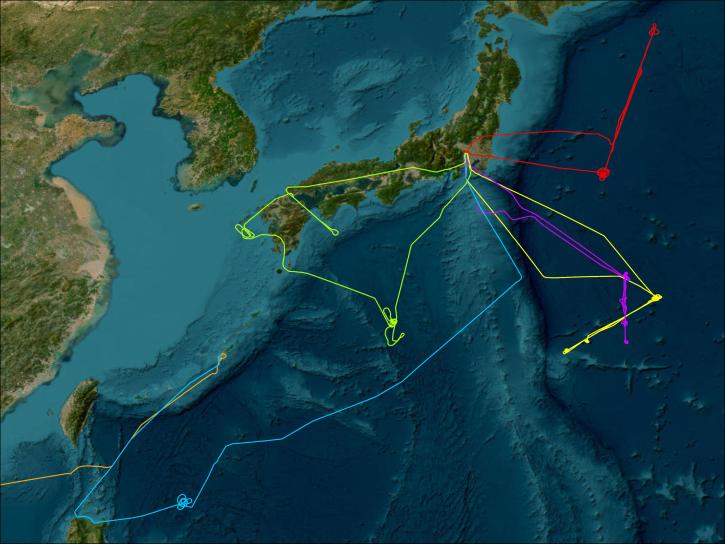
GIS Imagery of flight tracks from the PEM West A campaign. There are six tracks over Japan - red, yellow, purple, blue, orange, and green.
PEM - West
Pacific Exploratory Mission-West
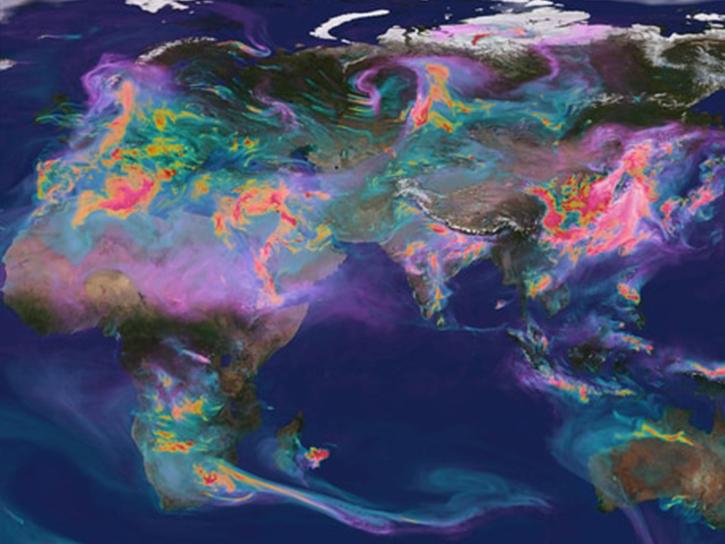
atmospheric tomography data over the eastern hemisphere
ATom
Atmospheric Tomography Mission
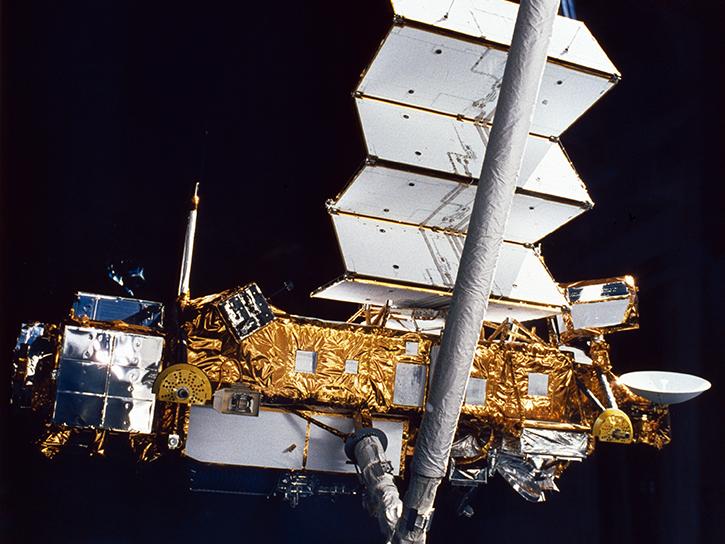
image of UARS satellite
UARS
Upper Atmosphere Research Satellite
Discover and Visualize Nitrous Oxide Data
NASA data help us understand Earth's changing systems in more detail than ever before, and visualizations help make Earth science concepts accessible, beautiful, and impactful.
Data visualization is a powerful tool for analysis, trend and pattern recognition, and communication. Our resources help you find data visualizations to complement and enhance your research. We also have tools and tutorials to help you translate nitrous oxide data into compelling visuals.
Image
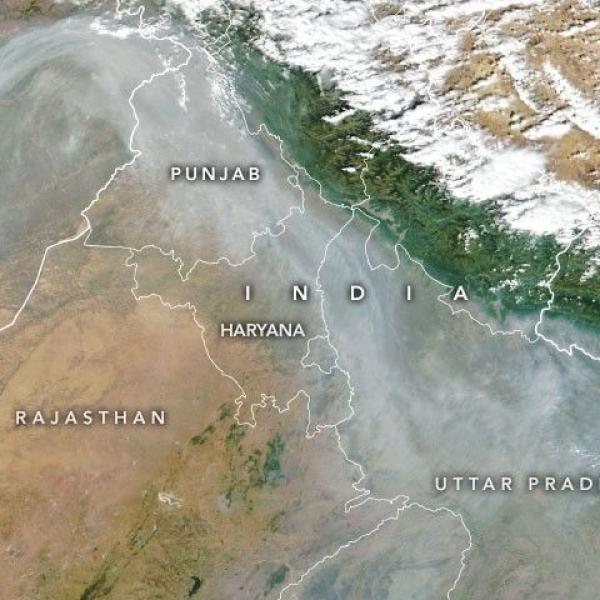
Smoke over India, 2022
When the Visible Infrared Imaging Radiometer Suite (VIIRS) on the Suomi NPP satellite captured this natural-color image on November 1, 2022, a plume of smoke curled from northeastern Pakistan to the Indian states of Punjab, Haryana, and Uttar Pradesh.

Join Our Community of NASA Data Users

While NASA data are openly available without restriction, an Earthdata Login is required to download data and to use some tools with full functionality.

Learn About the Benefits of Earthdata Login

Frequently Asked Questions

Earthdata Forum

Our online forum provides a space for users to browse thousands of FAQs about research needs, data, and data applications. You can also submit new questions for our experts to answer.

Submit Questions to Earthdata Forumand View Expert Responses

Earthdata
Forum