Access a range of datasets and data tools to further your carbon research.
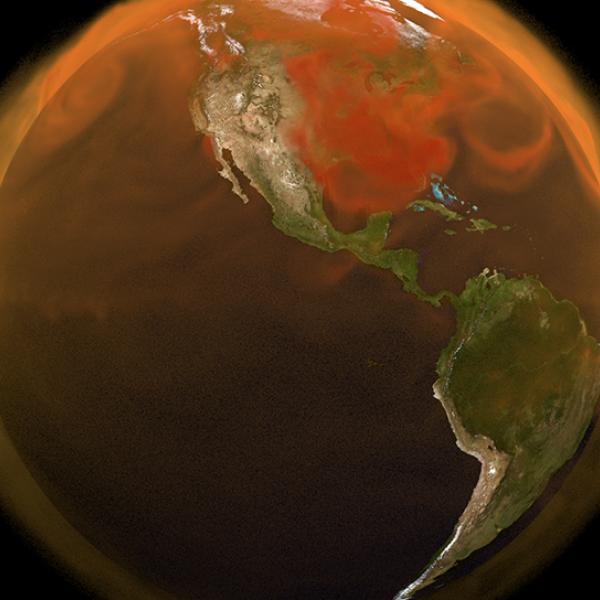
Carbon is ubiquitous across earth's biosphere, playing a role in almost every aspect of the natural world. It's present in all life on Earth, forming the basis of the complex molecules that make life possible. Carbon dioxide in the atmosphere is one of the main gases affecting the heat balance of the Earth, and plants require carbon in the soil to survive. Carbon also cycles throughout the oceans, through complex currents, upwelling patterns, and biological migrations that bring the necessary ingredients for life to the remote sea floor.
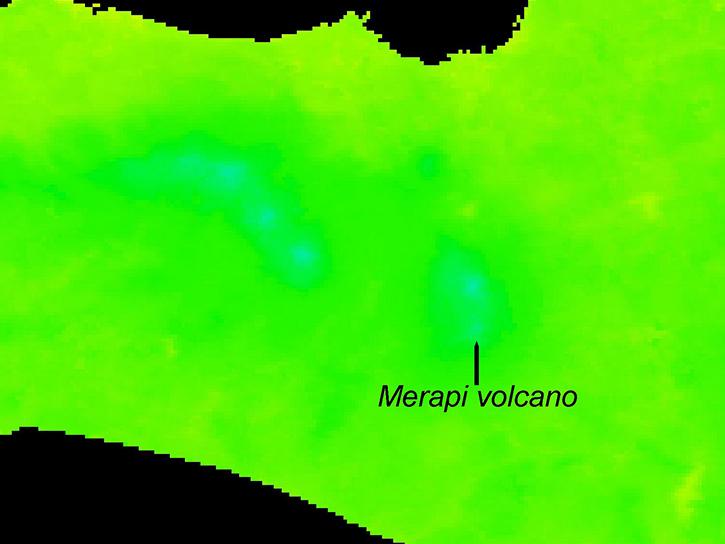
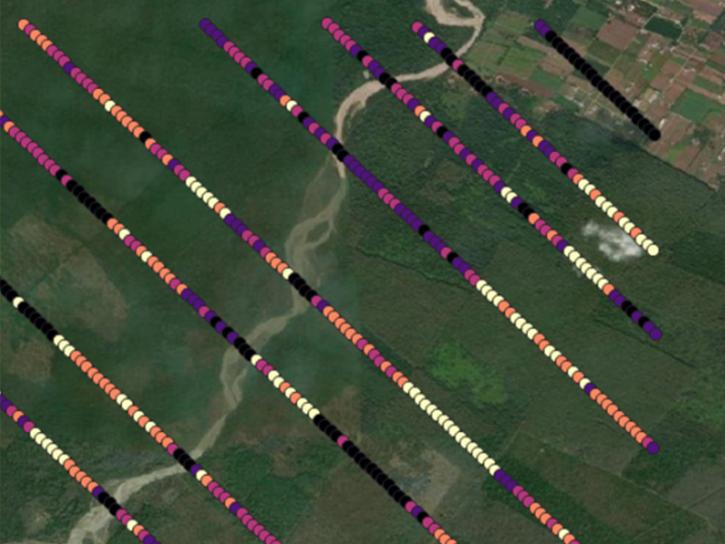
NASA's Tropospheric Monitoring Instrument (TROPOMI) detects visible, ultraviolet, and infrared light to monitor the levels of gases like carbon dioxide and carbon monoxide, a harmful pollutant that can cause serious health issues and can be released from the burning of fuels. Other instruments like the Global Ecosystem Dynamics Investigation (GEDI) Lidar allow scientists to map forests with detail and precision, supporting biological models for terrestrial carbon storage. NASA's Carbon Monitoring System (CMS) incorporates satellite observations over both sea and land, building a global picture of carbon cycling.
NASA's carbon data supports greenhouse gas management, studies of ecosystem dynamics, and sustainable ecosystem management on both land and sea. NASA also provides trainings on accessing and using carbon observations from a wide range of sources, and their role in shaping international climate policy.
Learn How to Use Carbon Data
Join Our Community of NASA Data Users
While NASA data are openly available without restriction, an Earthdata Login is required to download data and to use some tools with full functionality.
Learn About the Benefits of Earthdata LoginFrequently Asked Questions
Earthdata Forum
Our online forum provides a space for users to browse thousands of FAQs about research needs, data, and data applications. You can also submit new questions for our experts to answer.
Submit Questions to Earthdata Forumand View Expert Responses