Delivery of Suomi National Polar-orbiting Partnership (Suomi NPP) satellite data products will cease on November 1, 2026. Data users should transition now to alternative products from NOAA-21 and NOAA-20.
Suomi NPP data announcement
Filters
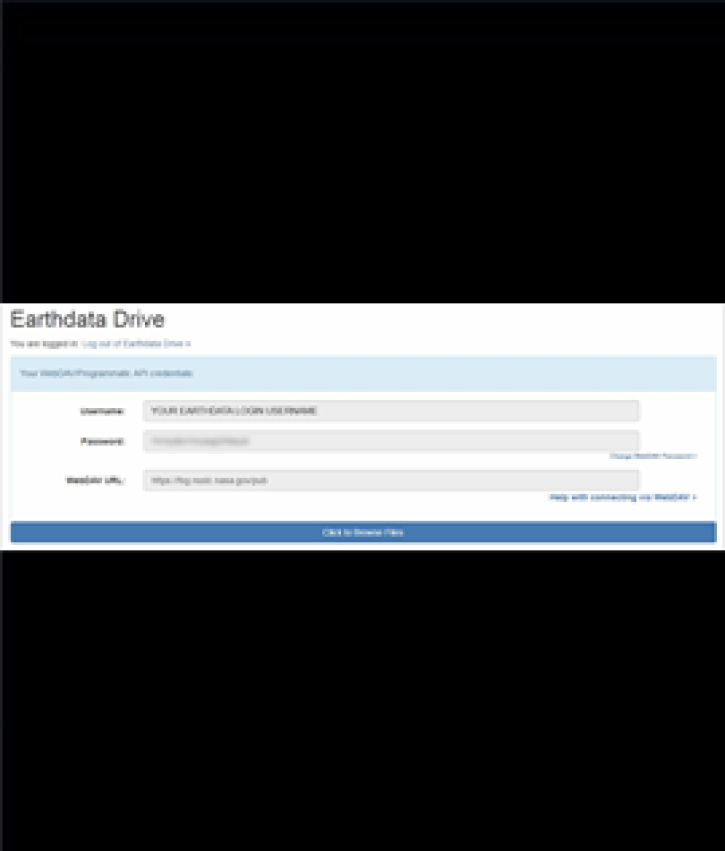
The effort by multiple DAACs to develop the Earthdata Drive application is another example of how EOSDIS DAACs collaboratively create enterprise-wide solutions to improve the data user experience.
Feature Article
Nov. 4, 2020
NASA's data policy ensures that all NASA data are available fully, openly, and without restrictions. Here's what this means for you.
Feature Article
Nov. 4, 2020
The Common Metadata Repository (CMR) and Earthdata Search are now running in the cloud, which is the start of a new era for users of EOSDIS data and services.
Feature Article
Nov. 4, 2020

An Earthdata Login is all that’s needed to download data from the huge EOSDIS archive.
Feature Article
Nov. 4, 2020
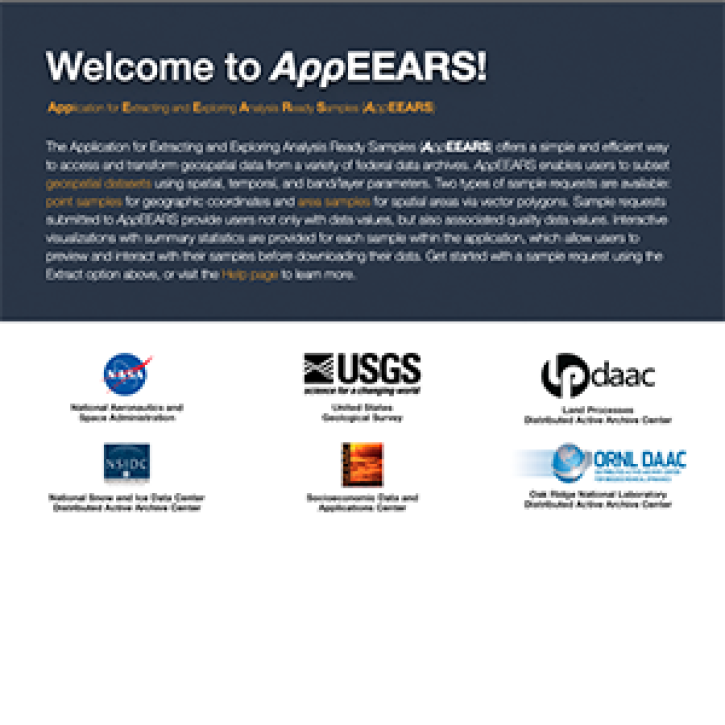
The latest enhancements to the AppEEARS program provide access to more datasets along with greater flexibility for working with Earth observing data from NASA and other federal data archives.
Feature Article
Nov. 4, 2020
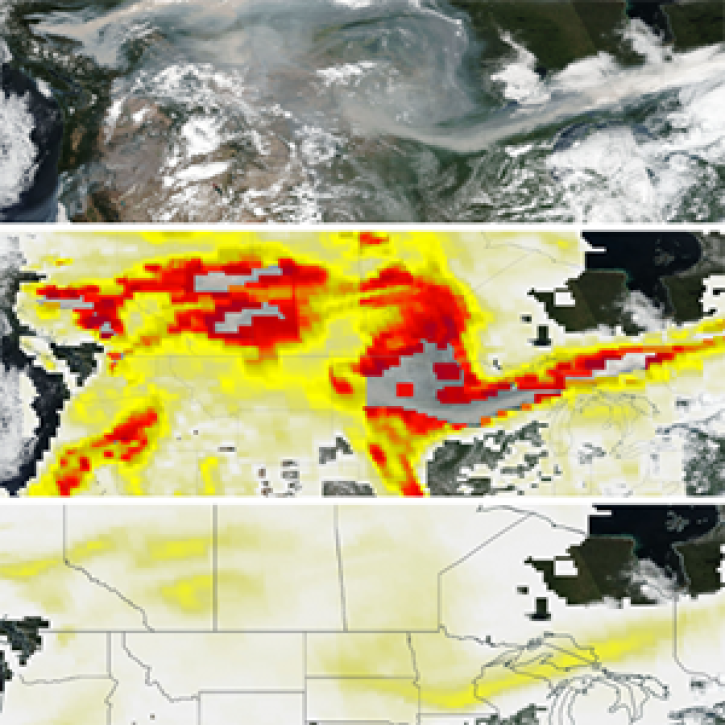
The new PyroCumuloNimbus product for the Ozone Mapping and Profiler Suite (OMPS) makes it easier to track and analyze high concentrations of aerosols from wildfires and similar events.
Feature Article
Nov. 4, 2020
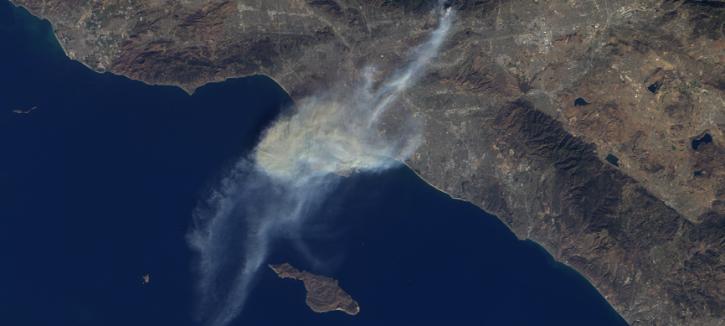
The Multi-angle Imaging SpectroRadiometer (MISR) instrument aboard the Terra satellite passed over the Colby Fire at 10:45 a.m. on Jan. 16, 2014, about five hours after the fire was first reported. The instrument was able to acquire images of the fire at different angles, allowing scientists to create a 3-D view of the Colby fire and images of the height of the smoke/particulate dispersal.
Feature Article
Nov. 4, 2020
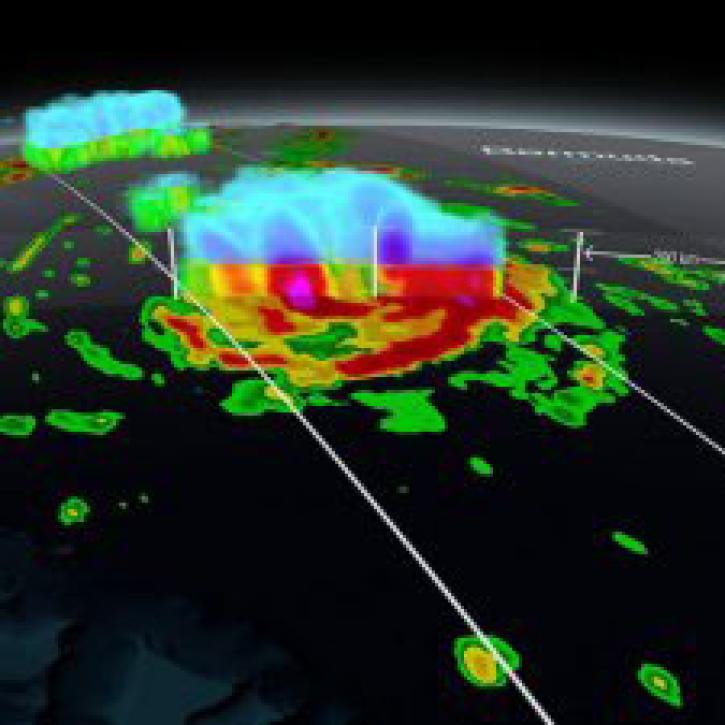
NASA’s global precipitation data and data processing systems have come a long way from the launch of TRMM in 1997 to the ongoing GPM mission.
Feature Article
Nov. 4, 2020
SHOWING 8 OF 535