Delivery of Suomi National Polar-orbiting Partnership (Suomi NPP) satellite data products will cease on November 1, 2026. Data users should transition now to alternative products from NOAA-21 and NOAA-20.
Suomi NPP data announcement
Filters
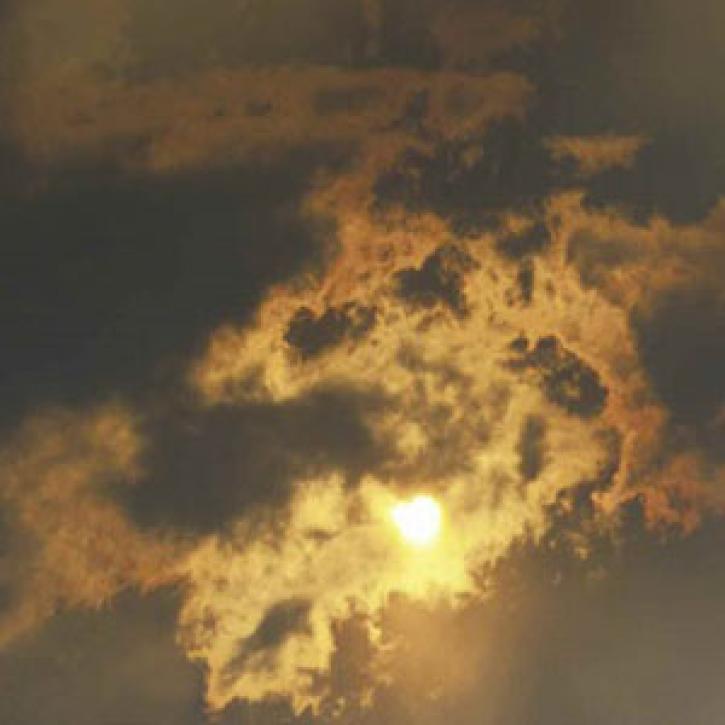
Researchers explore the links between atmospheric aerosols, climate change, and ultraviolet rays.
Feature Article
Dec. 27, 2020

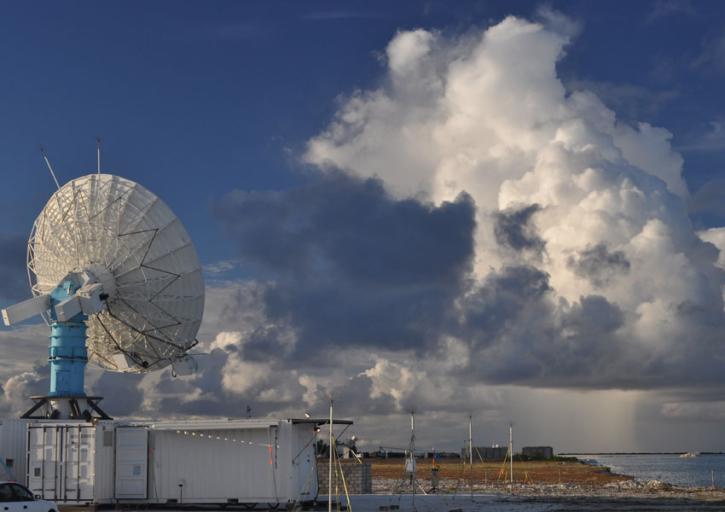
Convection meets the Indian Ocean for supersize weather.
Feature Article
Dec. 27, 2020
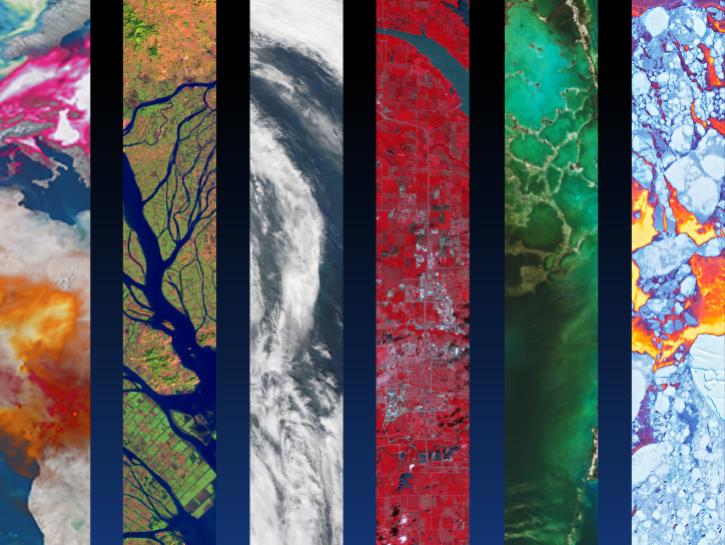
ESDS program elements AGU sessions, posters, e-lightning talks and workshops for the Virtual Fall AGU 2020.
Feature Article
Dec. 1, 2020
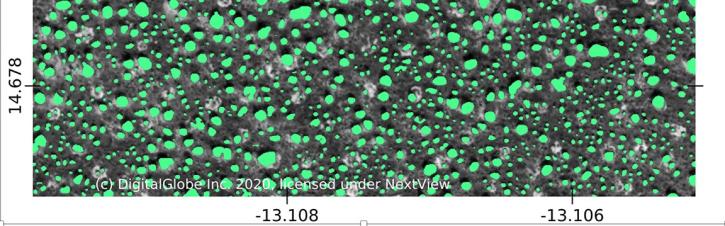
Using commercial satellite data and machine learning, scientists discovered a surprisingly large number of trees in Africa's drylands.
Feature Article
Nov. 19, 2020

A new article authored by members of NASA's Earth Science Data Systems program and the Radiant Earth Foundation was published in the American Geophysical Union's Eos.
Feature Article
Nov. 17, 2020
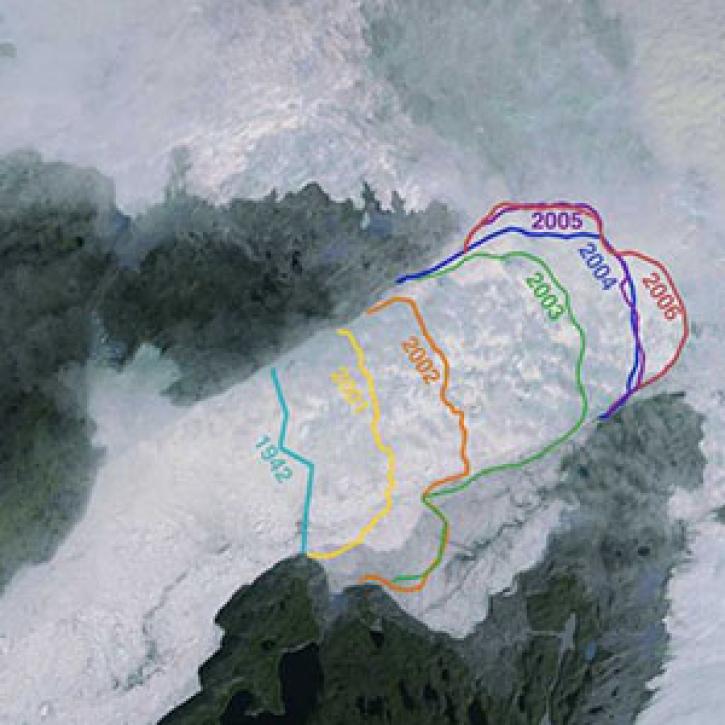
Greenland’s more than 200 major outlet glaciers are constantly on the move—many of them at some of the fastest speeds ever recorded.
Feature Article
Nov. 4, 2020
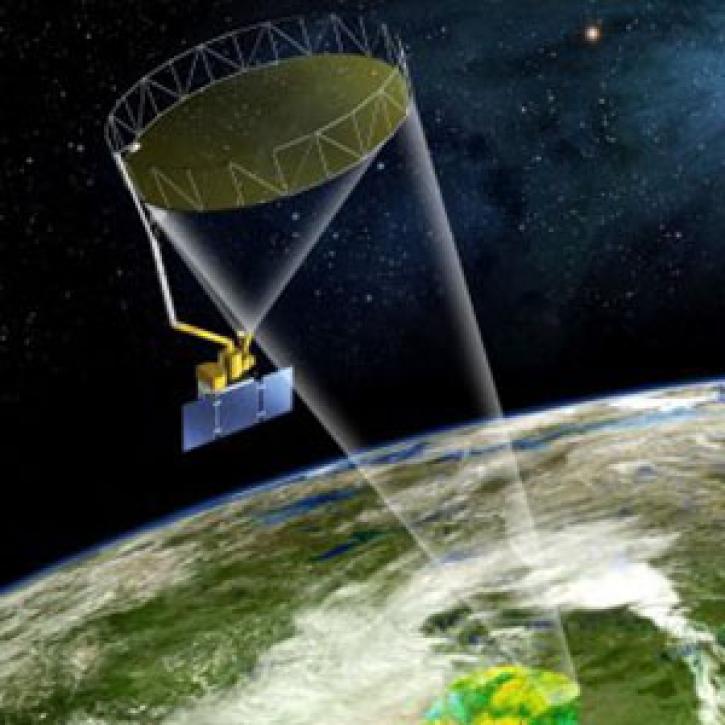
NASA's SMAP team turns raw satellite data into more than a dozen data products for data users around the world.
Feature Article
Nov. 4, 2020
SHOWING 8 OF 535