Delivery of Suomi National Polar-orbiting Partnership (Suomi NPP) satellite data products will cease on November 1, 2026. Data users should transition now to alternative products from NOAA-21 and NOAA-20.
Suomi NPP data announcement
Filters
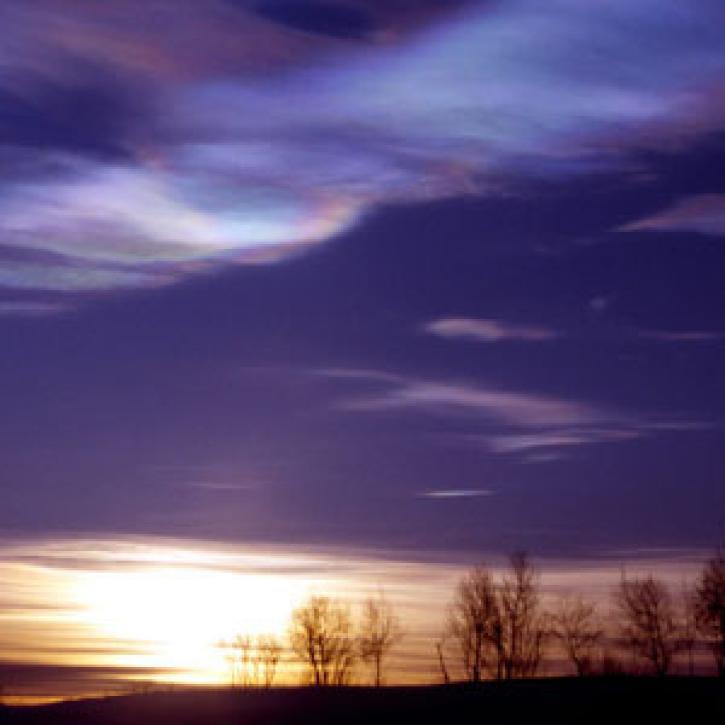
In winter 2011, an ozone hole appeared over the Arctic for the first time.
Feature Article
March 1, 2021

Researchers follow the wanderings of fresh water in the tropics.
Feature Article
March 1, 2021
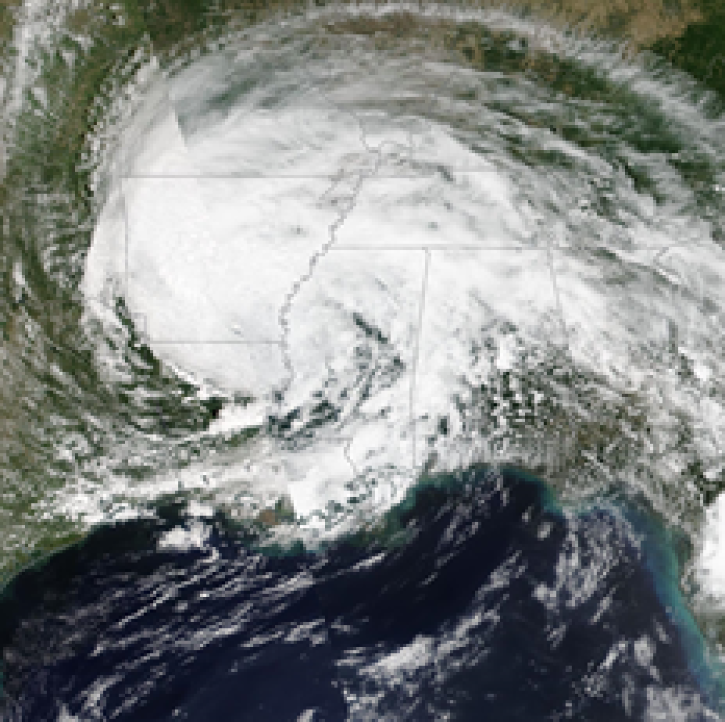
New VIIRS imagery from NOAA-20 along with new ways to evaluate and select imagery layers make NASA Worldview more useful than ever.
Feature Article
March 1, 2021
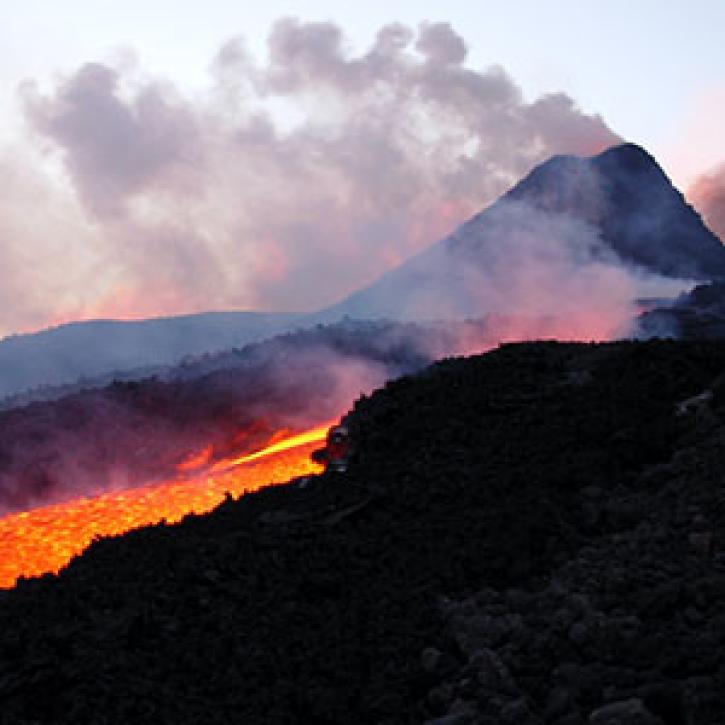
Tracking a volcanic plume reaches new heights, faster.
Feature Article
March 1, 2021
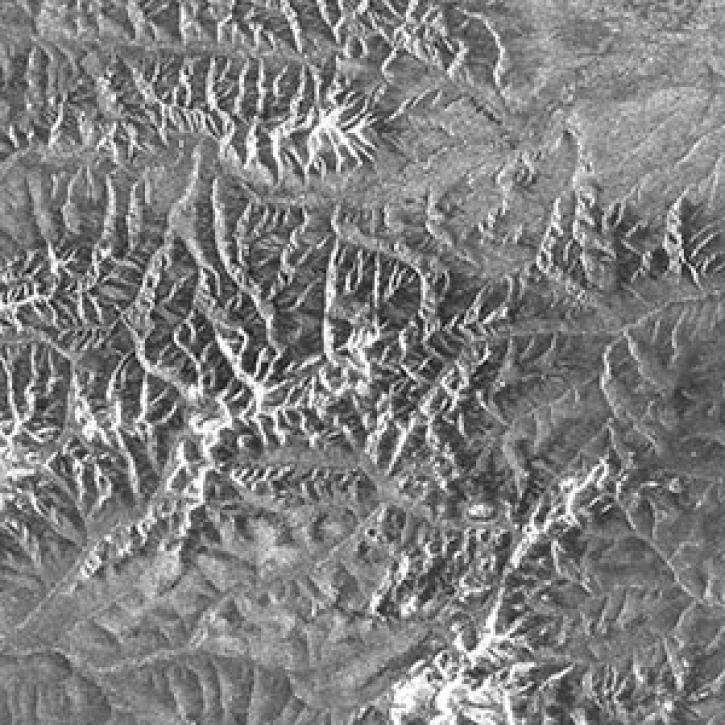
Phased array L-band synthetic aperture radar (PALSAR) data from Japan’s Advanced Land Observing Satellite (ALOS-1) mission are now unrestricted, and can be accessed by scientists and researchers around the world.
Feature Article
March 1, 2021

NASA's Space Apps COVID-19 Challenge invites global teams to use Earth observing data to find solutions to COVID-19 challenges over a 48-hour virtual hackathon May 30 to 31.
Feature Article
March 1, 2021
Enhancements to NASA’s Global Change Master Directory (GCMD) create an even more powerful international resource for discovering Earth science data.
Feature Article
March 1, 2021
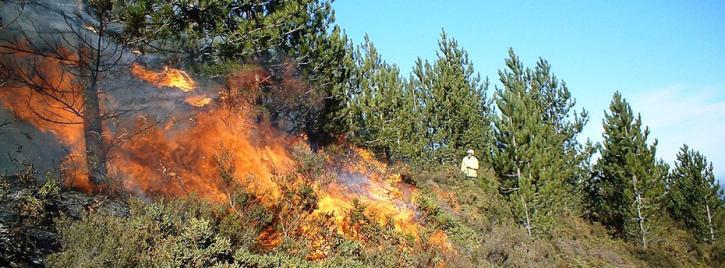
Is the delicate relationship between fire and plants changing?
Feature Article
March 1, 2021
SHOWING 8 OF 535