The Airborne and Satellite Investigation of Asian Air Quality (ASIA-AQ) was an international cooperative field study designed to address regional air quality challenges. One of the primary goals of ASIA-AQ was to improve the integration of satellite observations with existing air quality ground monitoring and modeling efforts across Asia.
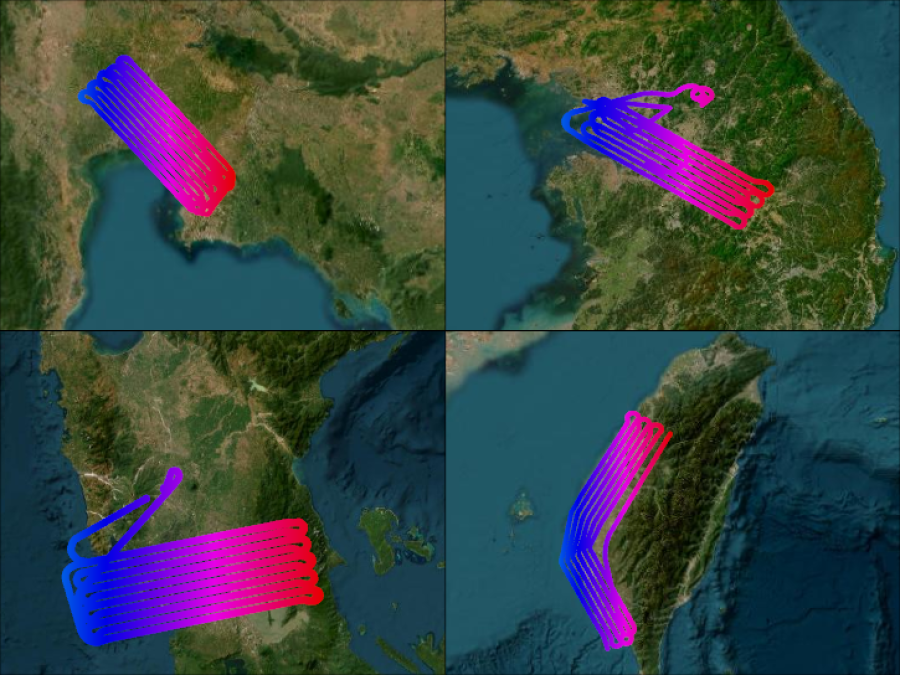
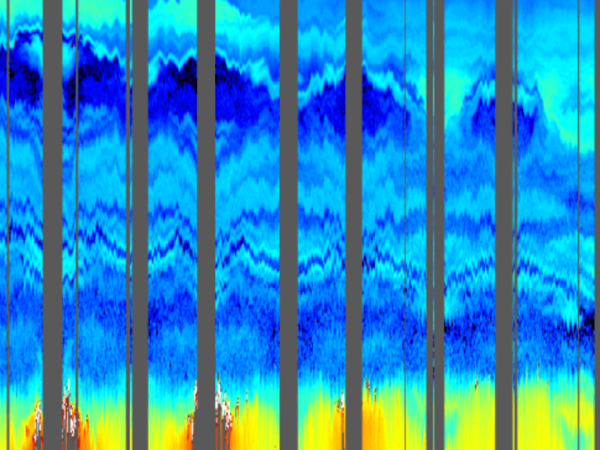
Conducted from January through March 2024, ASIA-AQ deployed multiple aircraft to collect in situ and remote sensing measurements, along with numerous ground-based observations and modeling assessments. Data were collected over four countries, including the Philippines, Taiwan, South Korea, and Thailand. Flights were conducted in full partnership with local scientists and environmental agencies responsible for air quality monitoring and assessment.
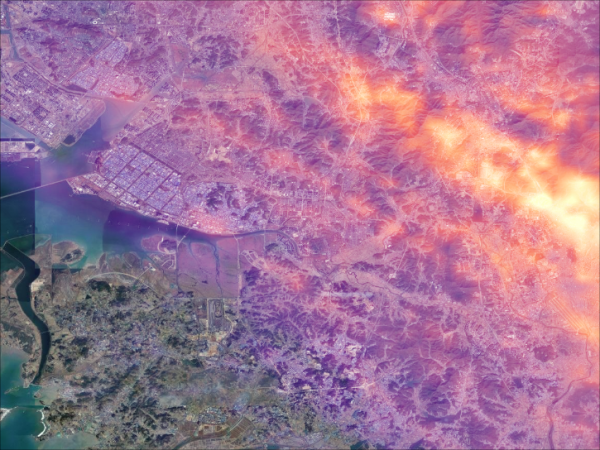
Air quality observations from satellites are evolving with new capabilities from South Korea’s Geostationary Environment Monitoring Spectrometer (GEMS), which collects hourly measurements from space and offers a new view of air quality conditions that complements and integrates with ground-based monitoring efforts. The ASIA-AQ science team focused on satellite validation and interpretation, emissions quantification and verification, model evaluation, aerosol chemistry, and ozone chemistry.