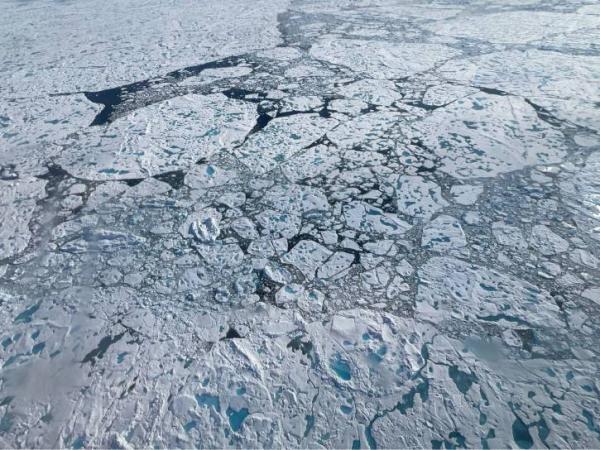
The Arctic Radiation-Cloud-Aerosol-Surface Interaction Experiment (ARCSIX) was a NASA field investigation aimed at quantifying the contributions of surface properties, clouds, aerosol particles, and precipitation to the Arctic summer surface radiation budget and to sea ice melting during the early melt season.
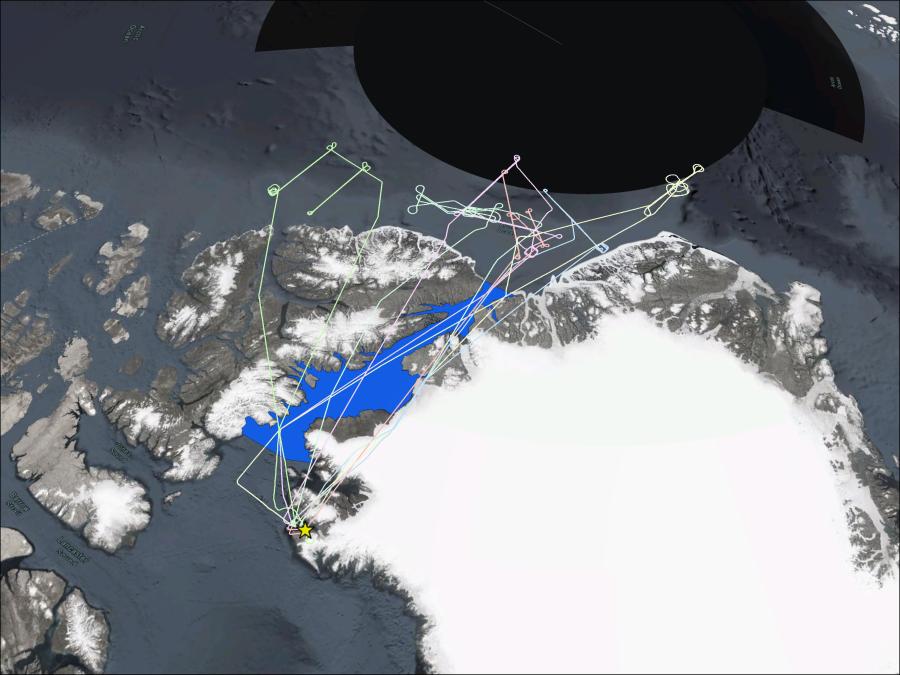
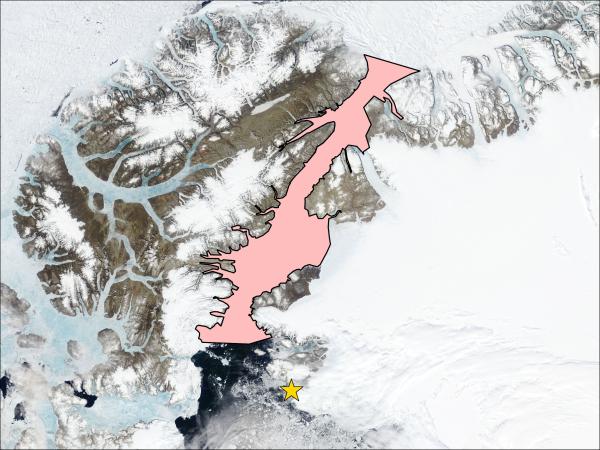
Based out of Greenland, the ARCSIX research team completed deployments from May to June 2024 and from July to August 2024 using the NASA P-3B, NASA G-III, and SPEC-Learjet aircraft. The P-3B was equipped with in situ and remote sensing payloads to acquire measurements of aerosols, clouds, and radiation properties. The high-flying G-III was equipped with remote sensing instrumentation (including HALO and HSRL), along with the AVAPS dropsonde system. The SPEC-Learjet acquired measurements of cloud microphysics. Data were also collected at the Thule High Arctic Atmospheric Observatory (THAAO) in Pituffik, Greenland.
The primary objective of ARCSIX was to enhance long-term space-based monitoring and predictive capabilities of Arctic sea ice, cloud, and aerosols by validating and improving remote sensing algorithms and model parameterizations. The science questions focused on:
- Examining the impact of the predominant summer Arctic cloud types on the radiative surface energy budget;
- Investigating which processes control the evolution and maintenance of the predominant cloud types in the summertime Arctic;
- Studying how the two-way interactions between surface properties and atmospheric forcings affect sea ice evolution.
For information regarding external datasets collected during ARCSIX, please visit the ARCSIX Collaborator Data .
For information regarding the THAAO datasets collected during ARCSIX, please visit ARCSIX THAAO Dataset Access.