We are in the process of migrating all NASA Earth science data sites into Earthdata from now until end of 2026. Not all NASA Earth science data and resources will appear here until then. Thank you for your patience as we make this transition.
Read about the Web Unification Project
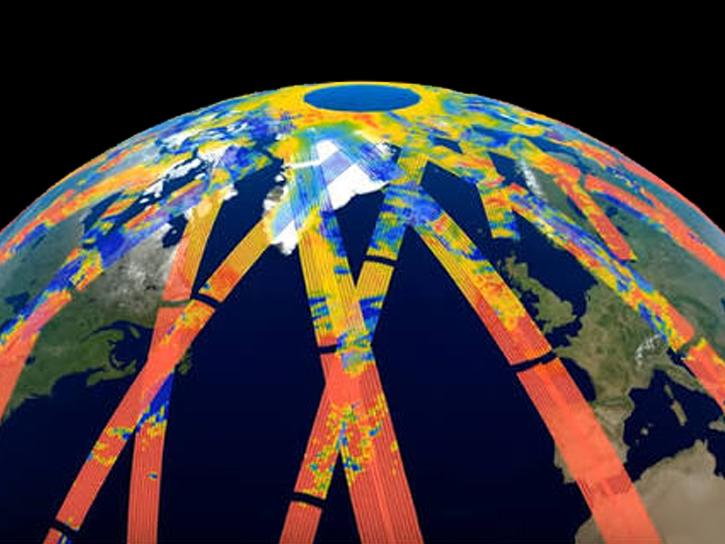
PREFIRE uses cube satellites (CubeSats) to study Arctic heat emissions.
34 datasets

Since 1999, the SeaWinds instrument aboard QuikSCAT has provided consistent, high quality, daily data covering more than 90% of the ice-free oceans.
15 datasets
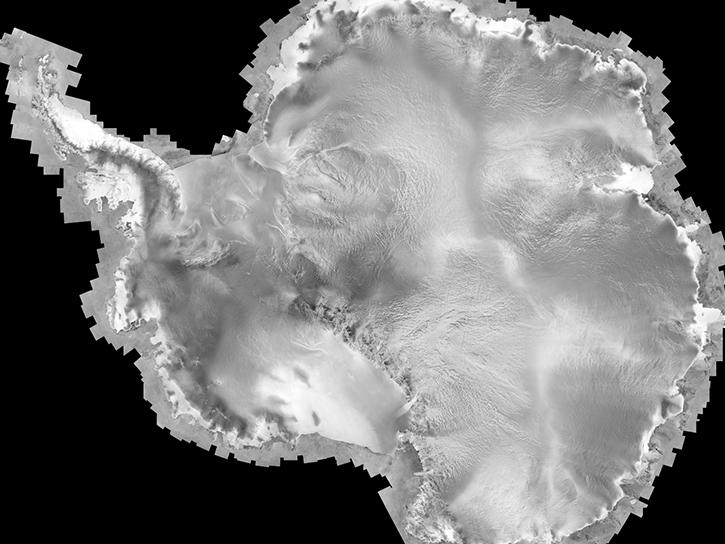
RADARSAT-1 captured high-quality images of the Earth night and day and in all weather conditions.
40 datasets
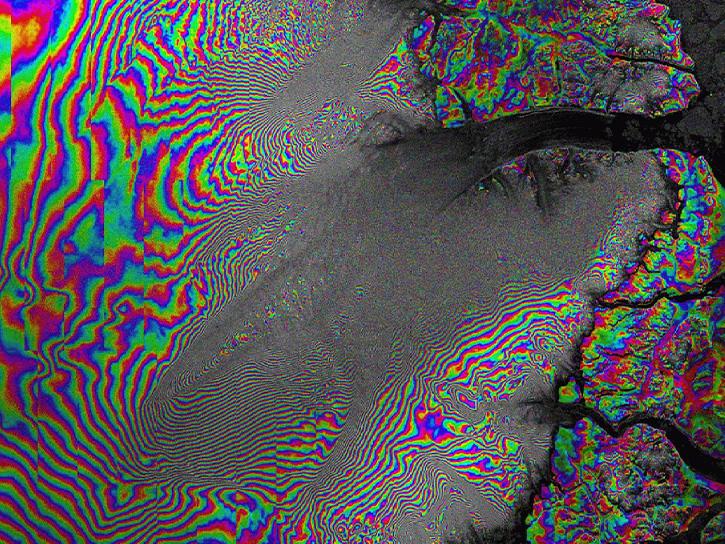
The RADARSAT-2 platform, a follow-on to RADARSAT-1, carries a powerful synthetic aperture radar (SAR) instrument that can scan Earth under any weather conditions.
13 datasets
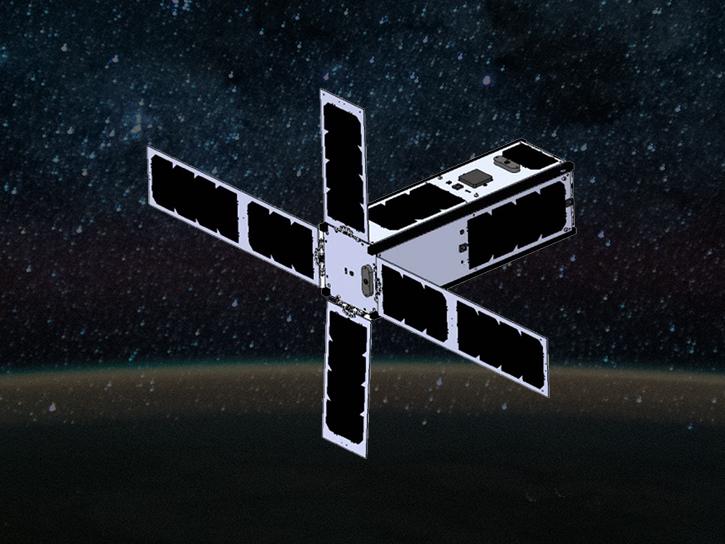
The SeaHawk cubesat platform carried the high-resolution HawkEye instrument to survey the open ocean, coastal zones, lakes, estuaries, and land features.
2 datasets

NASA's Seasat 1, the first Earth-orbiting satellite designed for remote sensing of the global ocean, carried the first synthetic aperture radar (SAR).
7 datasets
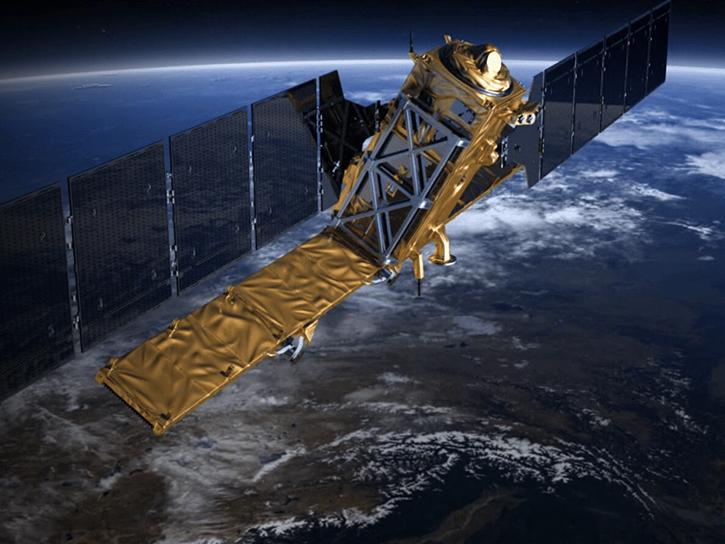
Copernicus Sentinel-1 satellites carry C-band synthetic aperture radar (SAR) and provide all-weather, day and night imagery of Earth.
120 datasets
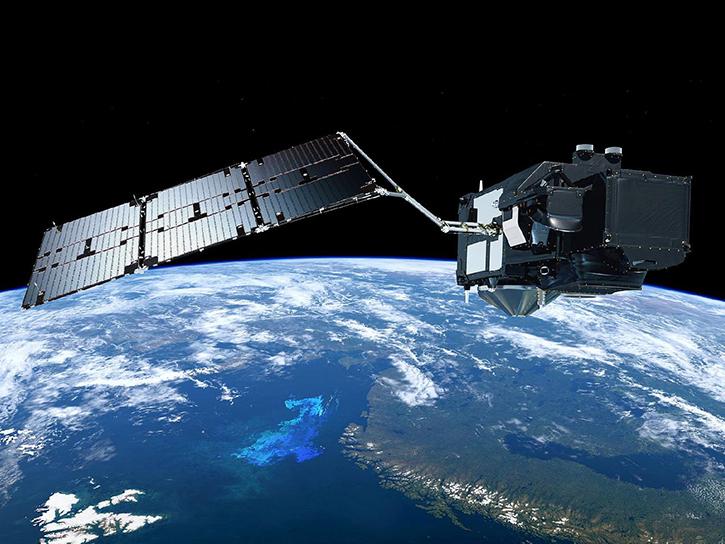
Copernicus Sentinel-3 systematically measures Earth’s oceans, land, ice, and atmosphere to monitor and understand large-scale global dynamics.
50 datasets
SHOWING 8 OF 59