Access a range of datasets and data tools to further your carbon flux research.
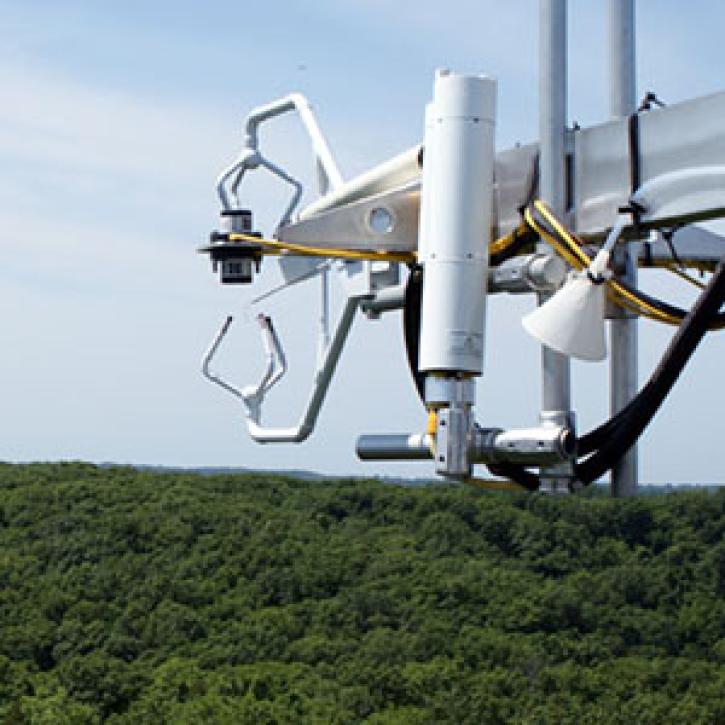
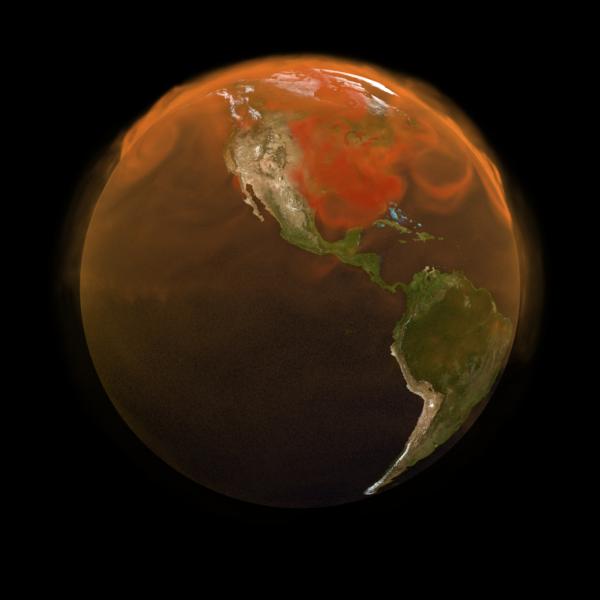
Carbon flux is the direction and rate of transfer — or flow — of carbon between Earth’s carbon pools, such as the oceans, atmosphere, land, and living things. Carbon fluxes can be natural exchanges, such as land-atmosphere and ocean-atmosphere fluxes. The can also be human-triggered exchanges, such as urban carbon fluxes occurring within the built environment involving fossil fuel use and other processes. Understanding and tracking carbon flux is part of increasing our knowledge of Earth's carbon cycle and how it affects ecosystem function, plant growth, and climate.
NASA offers carbon flux data derived from multiple sources including computer models and the versatile Moderate Resolution Imaging Spectroradiometer (MODIS) and Global Ecosystem Dynamics Investigation (GEDI) lidar instruments.
Learn How to Use Carbon Flux Data
Join Our Community of NASA Data Users
While NASA data are openly available without restriction, an Earthdata Login is required to download data and to use some tools with full functionality.
Learn About the Benefits of Earthdata LoginGet Help
QUESTIONS & SUPPORT
Get help with NASA Earth science data, datasets, tools, services, and metadata on the Earthdata Forum. Experienced staff in the data user community review and answer questions.
Get help on Earthdata ForumForum