The quality of air we breathe affects the quality of the lives we live. Clean air is essential for good health, and bad air quality can lead to hazards ranging from poor outdoor visibility to cardiovascular illnesses. To help researchers and decision-makers assess and protect air quality, NASA routinely gathers data from an assortment of space-based, airborne, and ground-based instruments.
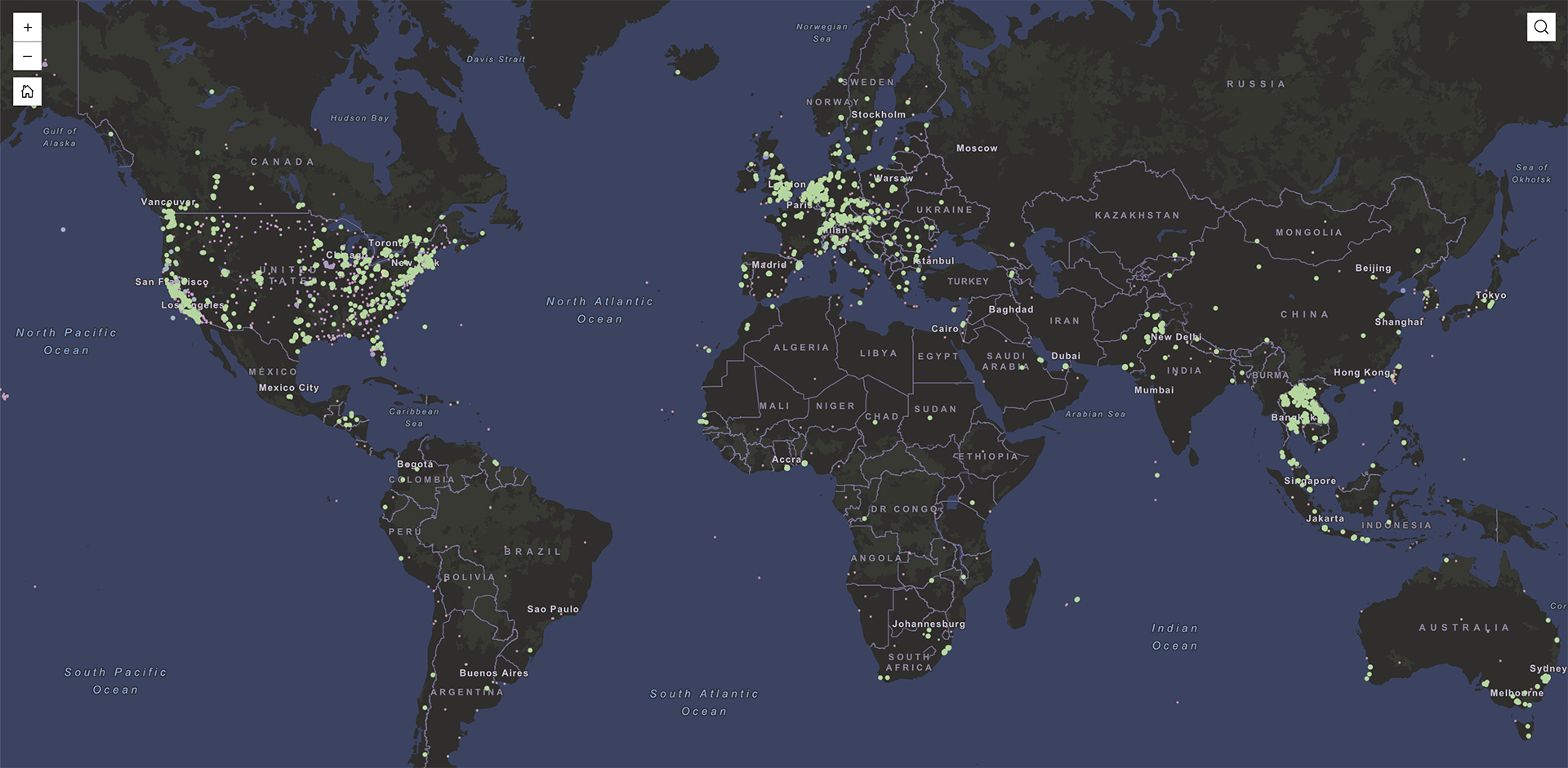
Recently, NASA’s Earthdata began offering a new collection of measurements that combines data from small, inexpensive, ground-based air quality sensors around the world. The collection, called the “Low-Cost Air Quality Sensor Harmonization Database,” can complement measurements made by satellites and provide unique, hard-to-acquire ground-level data for pollution studies.
"Low-cost" is part of the name because the data come from single or multi-sensor devices costing $1,000 or less. The devices can measure a range of gases and pollutants in the air, from carbon monoxide and nitrogen dioxide to particulate matter. The sensors are used by a variety of people and groups, including college researchers for local studies and student training, city governments for pollution monitoring, and curious citizen-scientists installing sensors in their own backyards. The networks may span a neighborhood or an entire nation.
“The organizations and projects running these networks do a lot of quality assurance work to make sure data from these low-cost sensors are scientifically reliable,” said Kristen Okorn, an air quality scientist at NASA’s Ames Research Center in California, who is leading development of the database. “We wanted to unify the data and place them in the same archive that so many people visit for Earth science satellite and modeling data.”
The result is a database of lesser known but high-quality, interoperable, ground-level air quality data that can be found in the same archive as NASA’s marquee atmospheric datasets.
If You Build It, They Will Come
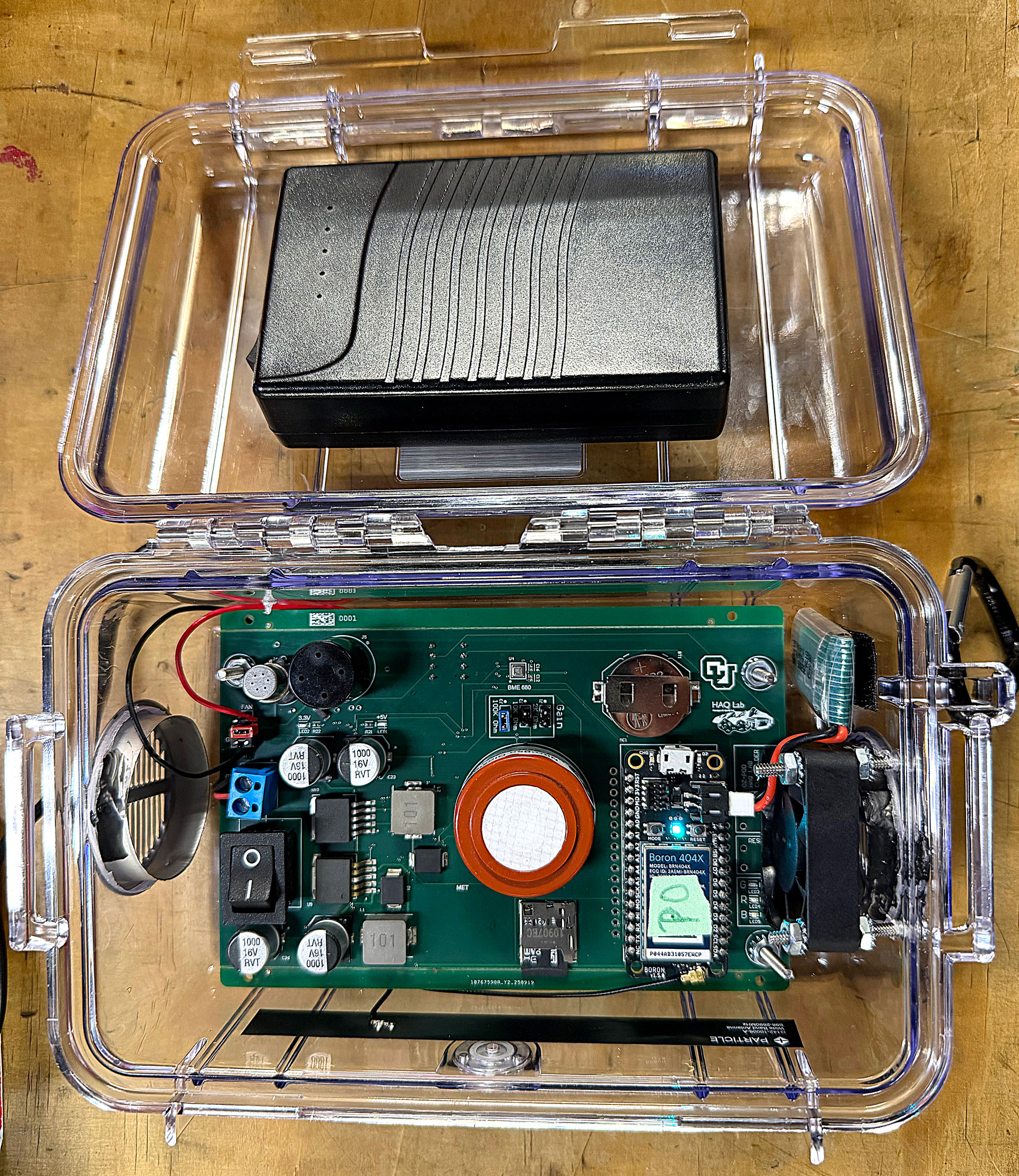
The database originated with a low-cost system Okorn deployed herself, called Inexpensive Network Sensor Technology for Exploring Pollution (INSTEP). That network is made up of 30 lunchbox-sized air quality sensor packages placed in urban areas around California. The goal of the project was to test the ability of the inexpensive sensor package to gather scientifically useful data.
“After I built the network, other scientists were increasingly reaching out to me and asking if I had a sensor that they could use for data comparison or for validating satellite measurements,” Okorn said.
The frequent requests told Okorn there was an appetite for this type of data, so in the summer of 2024 she started developing a database of networks that are similar to the one she operates.