Delivery of Suomi National Polar-orbiting Partnership (Suomi NPP) satellite data products will cease on November 1, 2026. Data users should transition now to alternative products from NOAA-21 and NOAA-20.
Suomi NPP data announcement
Filters

The business of data management has been transformed in the last decade—and not solely by computational progress.
Feature Article
July 28, 2020

Working to identify regional and global data sets that relate to the function of global ecosystems.
Feature Article
July 28, 2020
Soil moisture is one of the components of land-surface evapotranspiration, and is a required parameter for evaporation calculations.
Feature Article
July 28, 2020

Phytoplankton blooms occur in all the Earth’s oceans when nutrient and sunlight conditions are right.
Feature Article
July 28, 2020

Increased human population often leads to greater influence on the environment and sharper declines in species and ecosystems.
Feature Article
July 28, 2020

Hunting for elusive answers to a multitude of questions about humanity's role in global climate change.
Feature Article
July 28, 2020
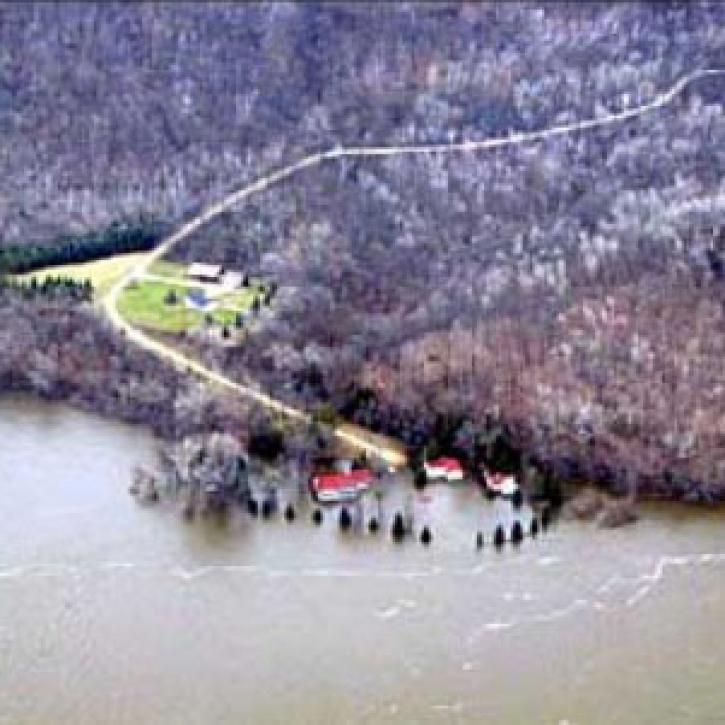
A new long-term archive of satellite data will help hydrologists monitor floods, allow aid agencies to pinpoint flood-prone regions, and provide information for modeling Earth's complex hydrologic cycles.
Feature Article
July 28, 2020
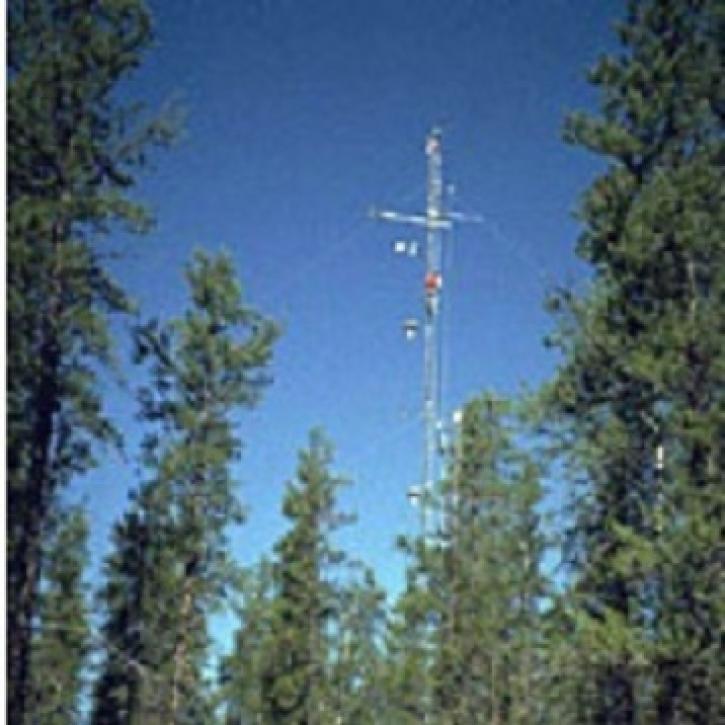
The quiet forests of Canada may slowly be losing carbon, not from the trees themselves, but from the frozen soils underneath, where deep pools of carbon are locked within permafrost.
Feature Article
July 28, 2020
SHOWING 8 OF 535