Delivery of Suomi National Polar-orbiting Partnership (Suomi NPP) satellite data products will cease on November 1, 2026. Data users should transition now to alternative products from NOAA-21 and NOAA-20.
Suomi NPP data announcement
Filters

NASA’s ACCESS Program helps create and enhance technologies that make EOSDIS data more available for global interdisciplinary research.
Feature Article
Nov. 4, 2020
Dr. Don McNeil at Prince of Songkla University in Thailand uses NASA Earth observing data and tools to teach his students about the natural world.
Feature Article
Nov. 4, 2020
Global carbon monoxide data from the MOPITT instrument aboard NASA’s Terra satellite are the newest near real-time products available through the Land, Atmosphere Near real-time Capability for EOS (LANCE).
Feature Article
Nov. 4, 2020
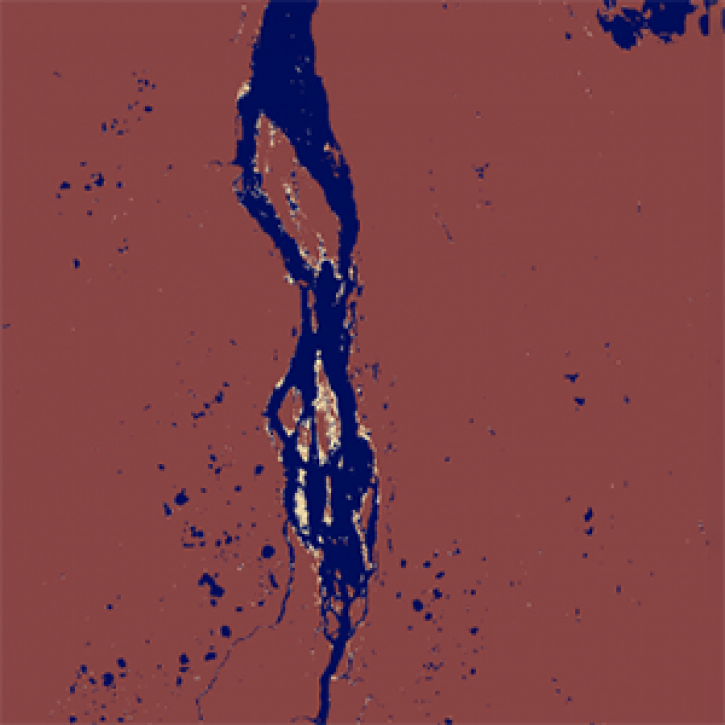
The dataset, which is part of NASA’s Arctic Boreal Vulnerability Experiment (ABoVE), enables comparisons of changes in surface water extent spanning 20 years.
Feature Article
Nov. 4, 2020

The FTP protocol for data and information access at NASA’s PO.DAAC is retired and has been replaced with PO.DAAC Drive.
Feature Article
Nov. 4, 2020
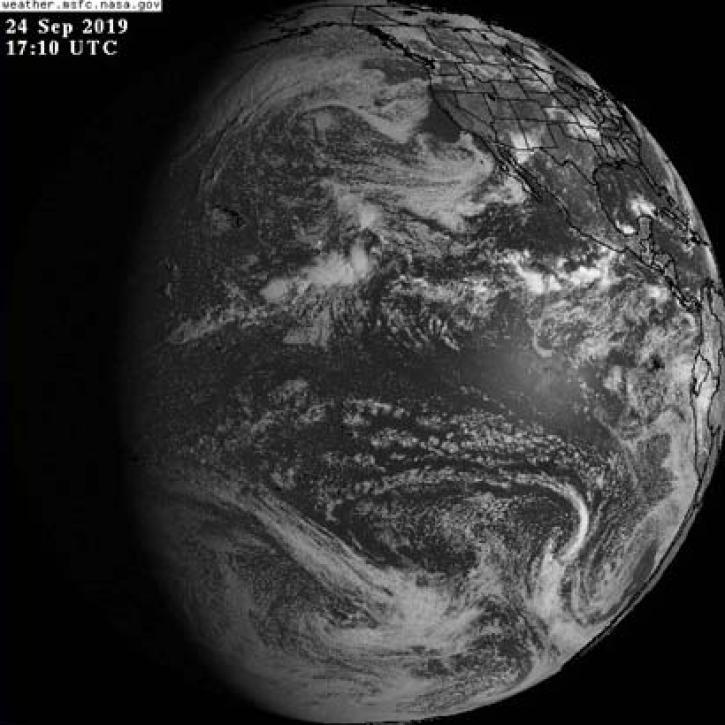
The addition of GOES-East, GOES-West, and Himawari-8 geostationary imagery updated every 10 minutes lets you view Earth as it is “right now.”
Feature Article
Nov. 4, 2020
NASA’s Land, Atmosphere Near Real-time Capability for Earth observations, better known as LANCE, is 10 years old. Here’s a look at 10 LANCE milestones over the past decade.
Feature Article
Nov. 4, 2020

Sensors aboard Earth observing satellites and NASA’s Fire Information for Resource Management System (FIRMS) provide information about wildfires 24/7 to anyone, anywhere in the world.
Feature Article
Nov. 4, 2020
SHOWING 8 OF 535