Delivery of Suomi National Polar-orbiting Partnership (Suomi NPP) satellite data products will cease on November 1, 2026. Data users should transition now to alternative products from NOAA-21 and NOAA-20.
Suomi NPP data announcement
Trainings
Go from introductory knowledge in remote sensing to applied applications in hydrology, land cover change, or wildfire management. Trainings are designed to meet the user where they are in interest and skill level.
Featured Trainings
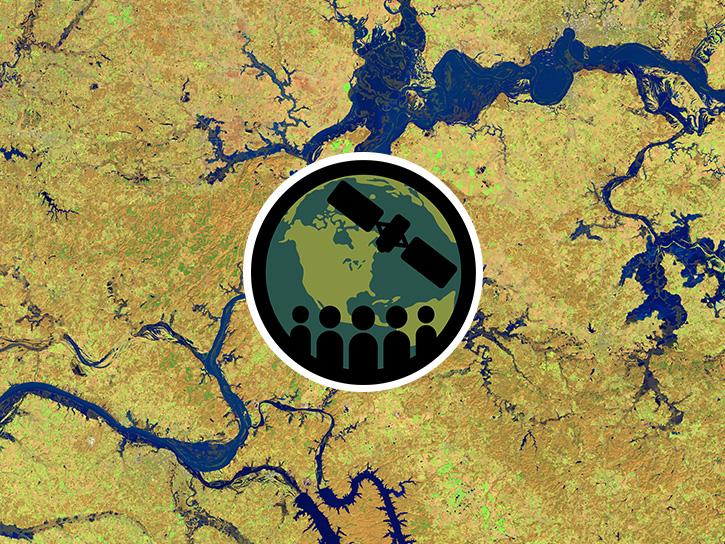
This three-part ARSET training covers flood monitoring via remote sensing, NASA flood products, and GEOGLOWS streamflow predictions.
3 MIN READ
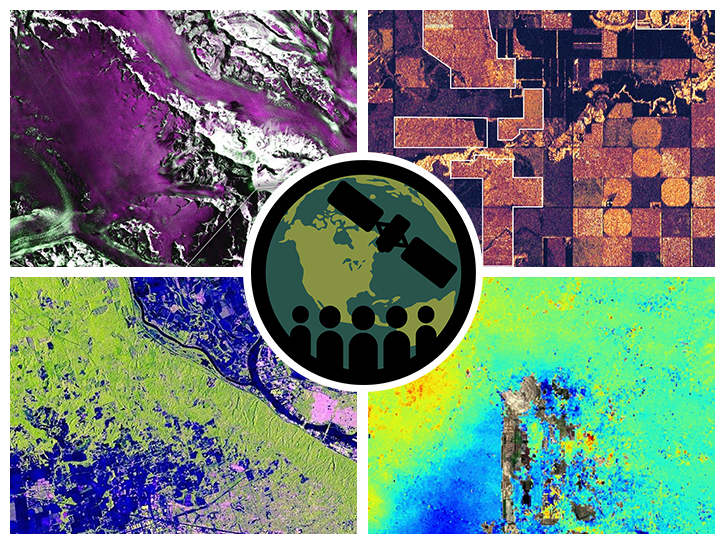
This ARSET training introduces users to the characteristics and data of the NISAR mission and demonstrates workflows for accessing, visualizing, and analyzing the data for a range of applications.
4 MIN READ
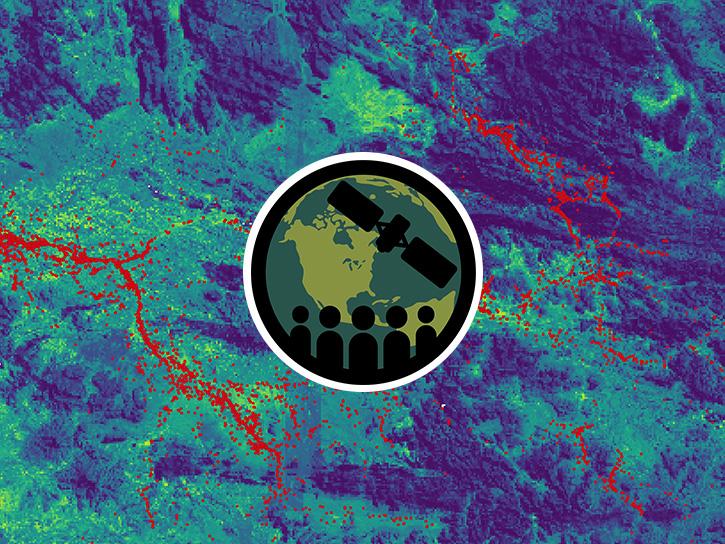
This ARSET training introduces key concepts in species distribution modeling and provides example workflows in Google Earth Engine.
3 MIN READ
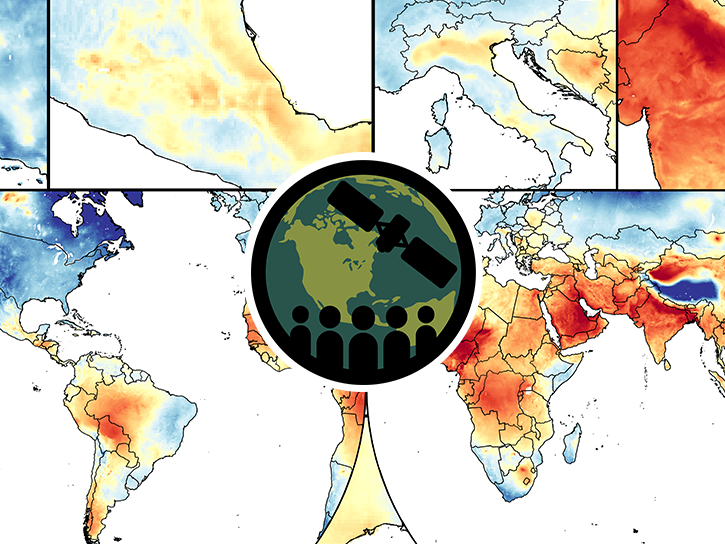
This training covers the theoretical approaches and key datasets to estimate historical PM2.5 from satellite aerosol optical depth.
3 MIN READ
Filters
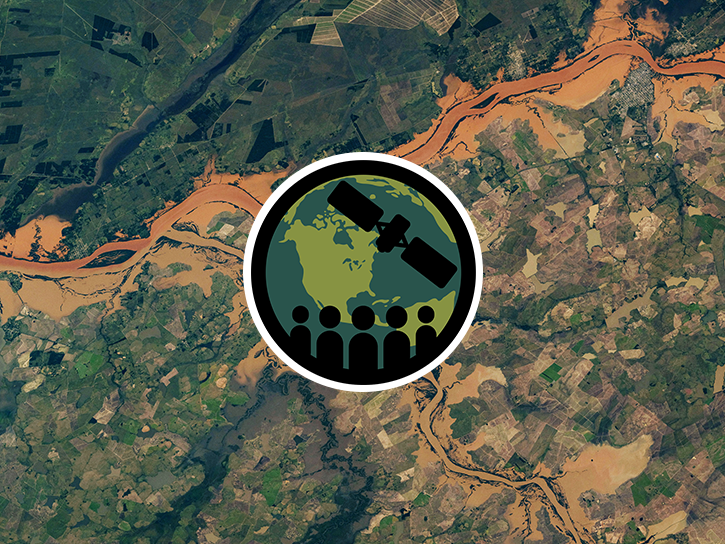
This ARSET training focuses on areas of urban flooding that satellite data can track, including extreme precipitation and waterlogged and ponded surfaces.
Training
July 25 - Aug. 1, 2018
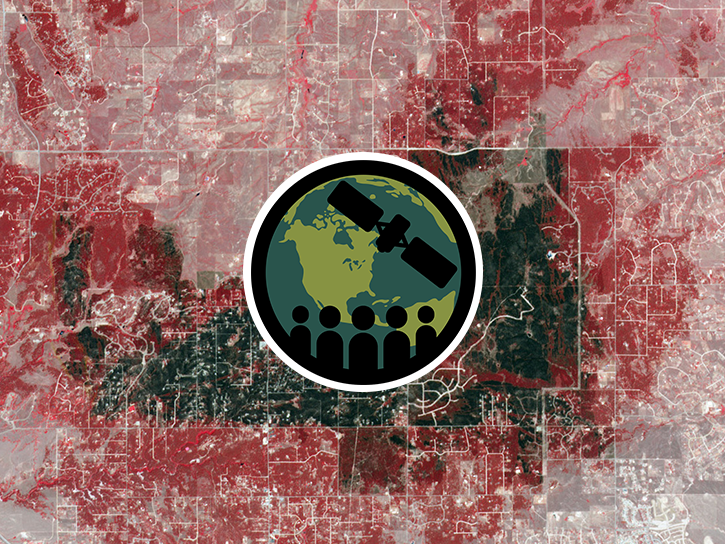
This ARSET training highlights satellite remote sensing data useful for local fire managers.
Training
July 12-19, 2018
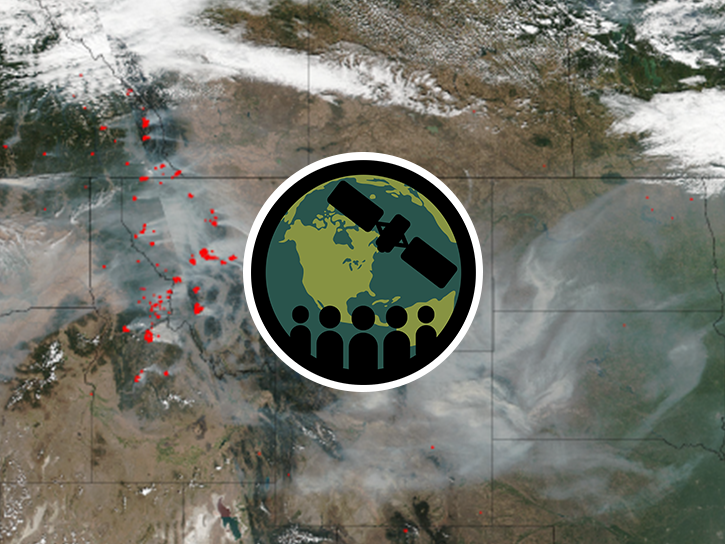
This ARSET training covers available satellite data, products, and tools, and how to apply them to identify, track, and measure an air quality event.
Training
July 10-12, 2018
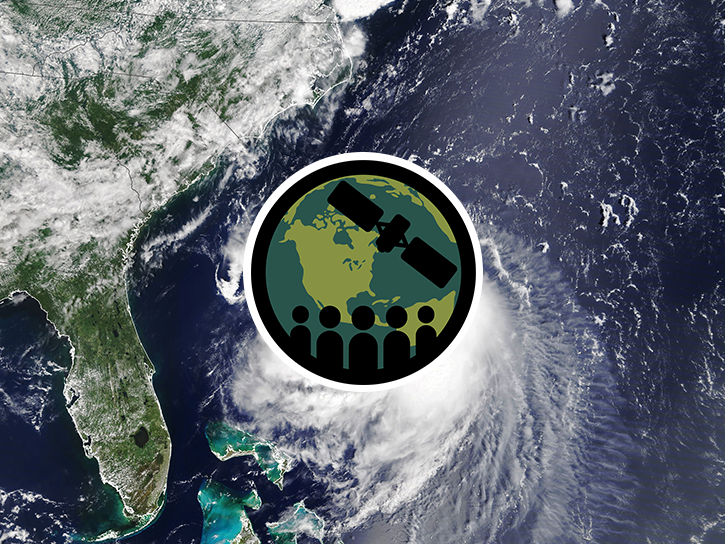
This ARSET training covers the NASA data and tools useful for monitoring tropical storms.
Training
May 3-10, 2018
This ARSET training introduces the Variable Infiltration Capacity Model, sources of satellite-derived input data, and implementation of the model.
Training
Feb. 15 - March 1, 2018
This ARSET training covers how to conduct an accuracy assessment on a land cover map and identify which classes might be misrepresented.
Training
Feb. 13-20, 2018
This ARSET training teaches how to use Python scripts to map and analyze air quality data through hands-on exercises.
Training
Jan. 17-22, 2018
This ARSET training provides an overview of remote sensing products, tools, and applications for ecological modeling.
Training
Sept. 7-28, 2017
SHOWING 8 OF 219