Delivery of Suomi National Polar-orbiting Partnership (Suomi NPP) satellite data products will cease on November 1, 2026. Data users should transition now to alternative products from NOAA-21 and NOAA-20.
Suomi NPP data announcement
Featured Projects
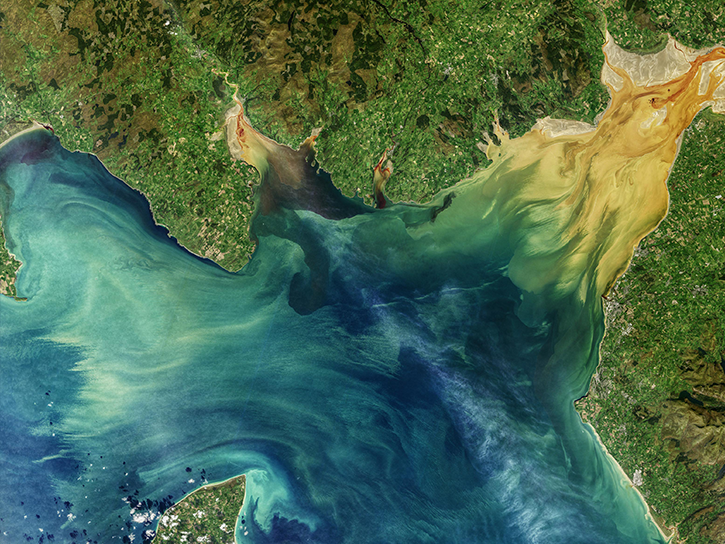
NASA's Applied Remote Sensing Training (ARSET) program teaches people to use Earth-observing data in their environmental management and decision-making.

At night, satellite images of Earth capture a uniquely human signal—artificial lighting. Remotely-sensed lights at night improve our understanding of interactions between human systems and the environment.
Explore All Projects
Filters
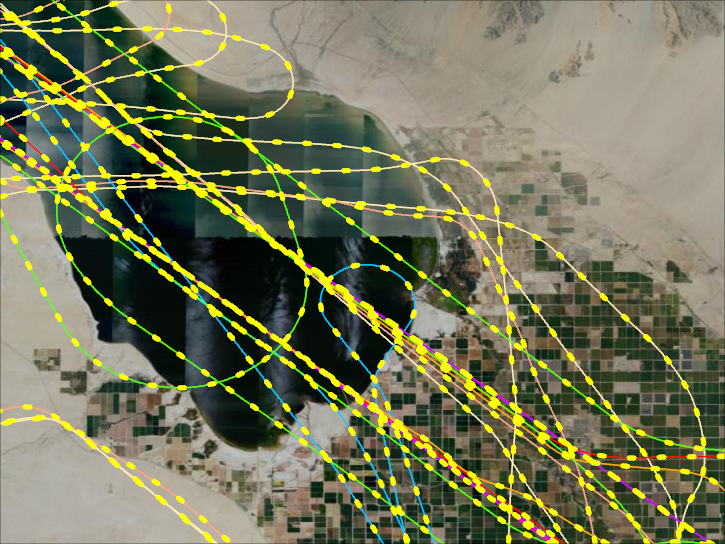
NASA’s Student Airborne Research Program is a summer internship for undergraduates to acquire hands-on research experience in a scientific field campaign.
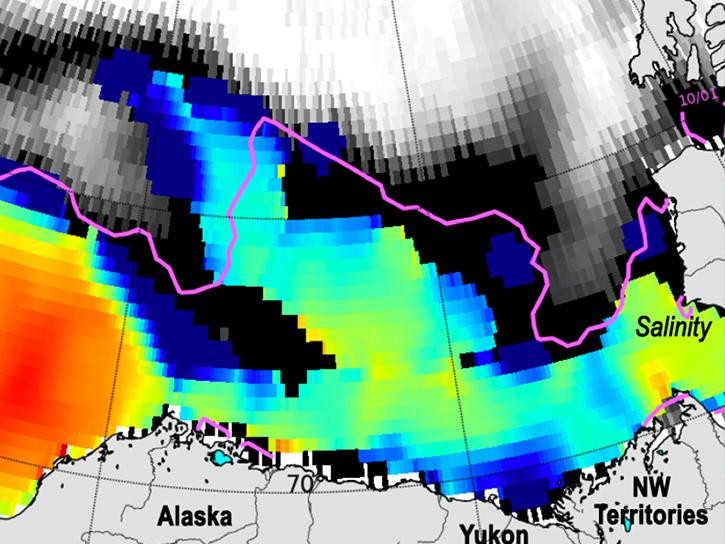
The SASSIE field experiment focused on understanding the dynamics and impacts of near-surface anomalies generated by melting sea ice.
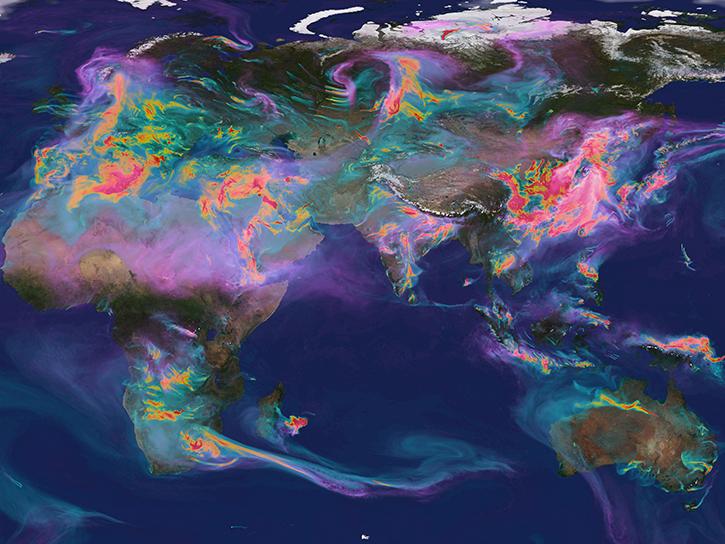
SCAR-A studied the optical, physical, and chemical properties of sulfate aerosols in order to characterize the relationship between sulfate particles and clouds' reflective properties.
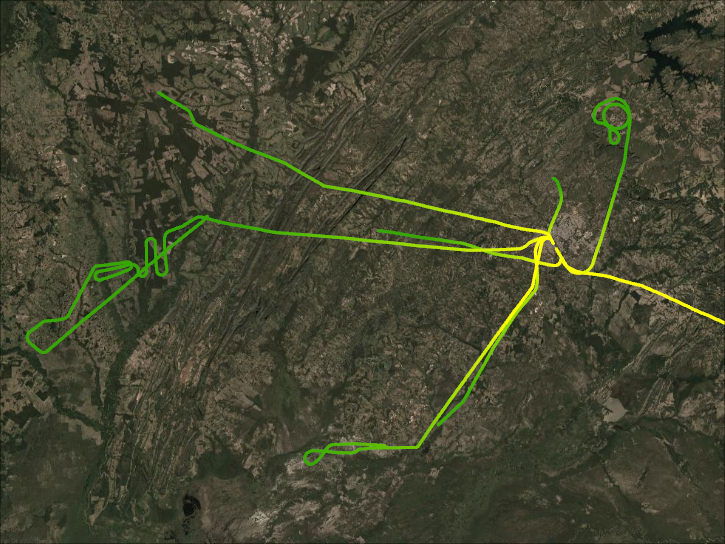
SCAR-B provided measurements of the emissions of trace gases and aerosol particles, as well as measurements about how those emissions evolved and interacted in the atmosphere.
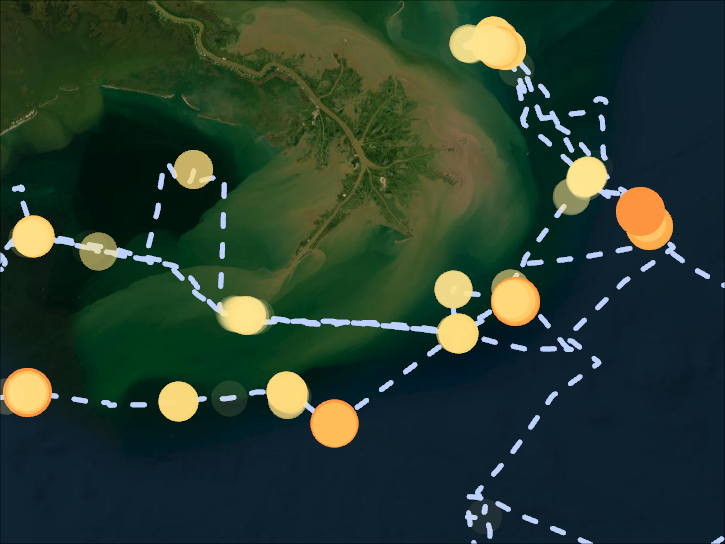
SCOAPE was a field deployment in May 2019 that aimed to assess the capability of satellite observations for monitoring offshore air quality.
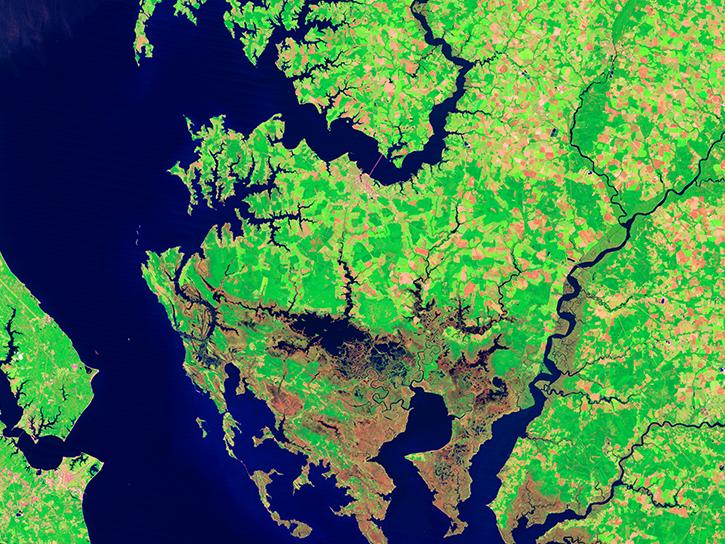
The Sustainable Development Goal Indicators (SDGI) collection of globally consistent, regularly updated, operational datasets can help monitor sustainable development goal progress.
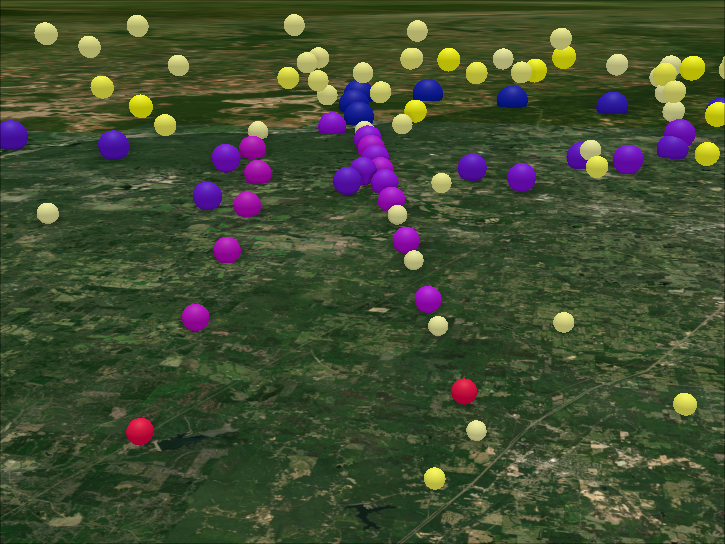
The SEAC4RS airborne field study was conducted in August and September of 2013 and was based in Houston, Texas.

SHOWING 8 OF 208