We are in the process of migrating all NASA Earth science data sites into Earthdata from now until end of 2026. Not all NASA Earth science data and resources will appear here until then. Thank you for your patience as we make this transition.
Read about the Web Unification Project
Terra Resources
Terra Documents
| Name Sort descending | Description | File Type | Date Published | |
|---|---|---|---|---|
| MODIS Terra/Aqua | MODIS Terra/Aqua | PDF (155.7 kb) | April 19, 2004 | |
| Multi-angle Imaging SpectroRadiometer (MISR) Overview | PDF (149.95 kb) | Feb. 24, 2021 | ||
| NASA Support for MODIS Direct Broadcast:Level-0 to Standard Ocean Products (PDF) | NASA Support for MODIS Direct Broadcast:Level-0 to Standard Ocean Products (PDF) | PDF (4.3 mb) | Oct. 3, 2005 | |
| NASA Support for MODIS Direct Broadcast:Level-0 to Standard Ocean Products (PPT) | NASA Support for MODIS Direct Broadcast:Level-0 to Standard Ocean Products (PPT) | PPT (4.62 mb) | Jan. 21, 2005 | |
| NASA/TM–2003–206892, Vol. 27 | NASA/TM–2003–206892, Vol. 27 | PDF (1.71 mb) | Oct. 14, 2003 | |
| observing_concept | Diagram showing terra space craft and misr observing concept. | PDF (241.22 kb) | May 22, 2005 | |
| Overview of MISR Data at the ASDC | General overview of MISR data hosted at the ASDC, including description of data products, and display and visualization tools. | PDF (227.41 kb) | Aug. 9, 2024 | |
| release_desc_l2as_v2.1.4.pdf | Algorithm changes, bug fixes, aerosol product changes, and science config file changes for level 2 misr aerosol | PDF (514.87 kb) | Sept. 27, 2001 | |
| Statement Concerning Quality of the MISR Ancillary Geographic Product September 19, 2000 | Here is a description of the **Statement_Quality_MISR_Ancillary_Geographic_09192000.pdf** document: This document is a Quality Statement for the MISR Ancillary Geographic Product (AGP), dated September 19, 2000, covering version F01_24. The AGP is a set of 233 pre-computed static files—one per Terra orbital path—that provide essential geographical data used as input by MISR production software to generate higher-level MISR products. The product contains eleven data fields organized into four groups: geographical locations (latitude/longitude), elevation data at both 1.1 km and 17.6 km resolution, surface orientation data (azimuth and zenith angles), and land/water identification—all defined on a Space Oblique Mercator (SOM) map projection grid. The statement assesses the quality of each data group, noting that most fields directly reflect the quality of their input datasets (including DTED, DCW Hypsography, ETOPO5, and World Vector Shoreline), though some resampling-related quality reductions were identified, particularly in regions with high relief, and the standard deviation of mean surface slope was flagged as unreliable. |
PDF (68.07 kb) | Sept. 19, 2000 | |
| User Guide: The MISR Enhanced Research and Lookup Interface (MERLIN) | The MERLIN_User_Guide.pdf is a user guide produced by JPL for the MISR Enhanced Research and Lookup Interface (MERLIN), a web-based tool that allows users to filter, visualize, and download data from the MISR Plume Height Project database using interactive map views, scatter plots, pie charts, and histograms with customizable options for parameters such as plume height, fire radiative power, aerosol optical depth, and single scattering albedo. | PDF (7.76 mb) | Jan. 6, 2022 |
Terra Learning Resources
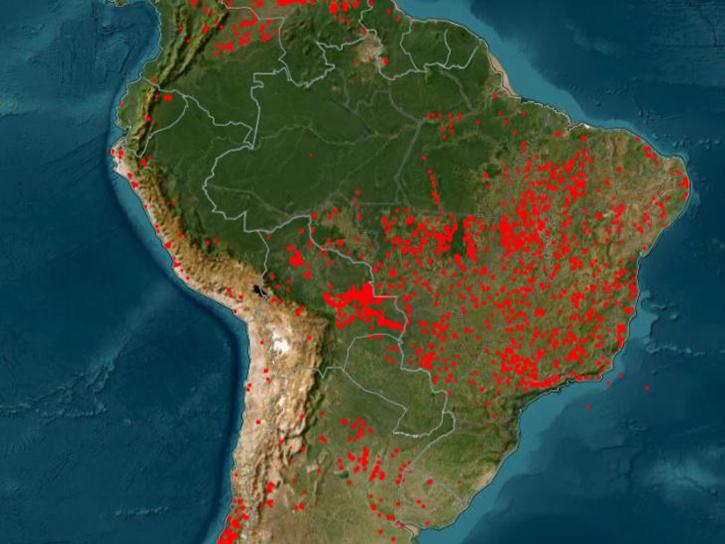
Learn how to access Moderate Resolution Imaging Spectroradiometer (MODIS) Thermal Anomalies and Fire data via Earthdata Search, covering product details and download steps.
Tutorial
April 5, 2017
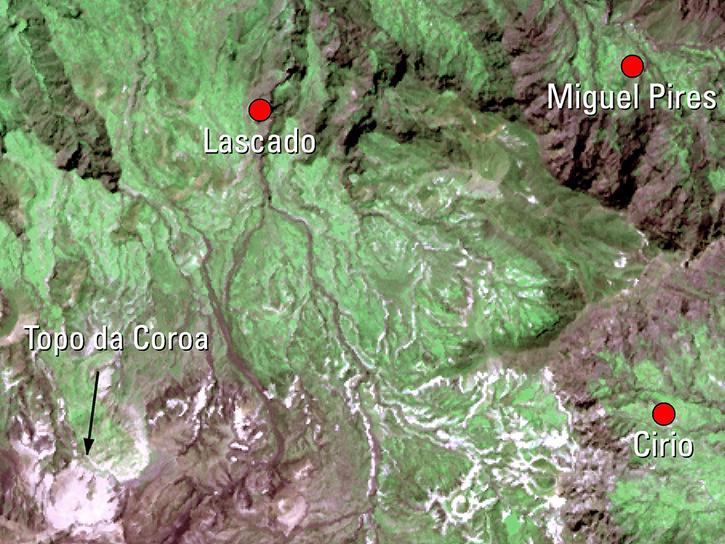
The West Africa Atlas uses ASTER data, aerial imagery, and ground images to illustrate changes and responses to environmental challenges in 17 countries.
Data in Action
March 1, 2017
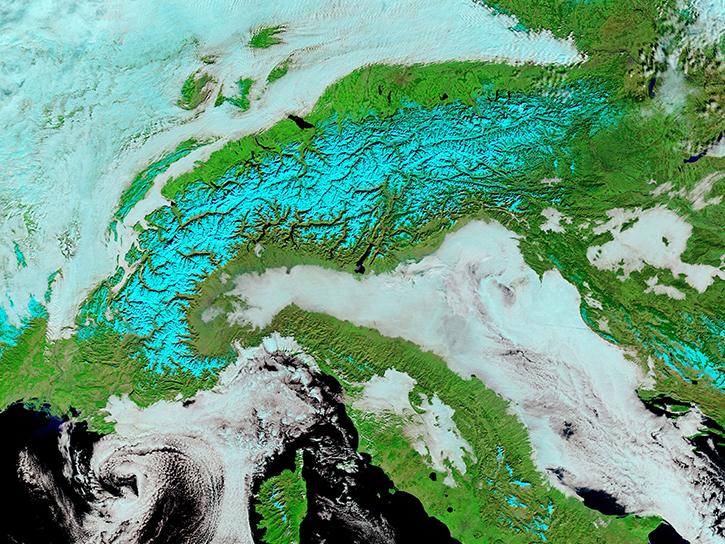
Satellite data from NASA's MODIS instrument illustrates the relationship between snow cover and temperature and the viability of skiing conditions over time.
Data in Action
Feb. 2, 2017
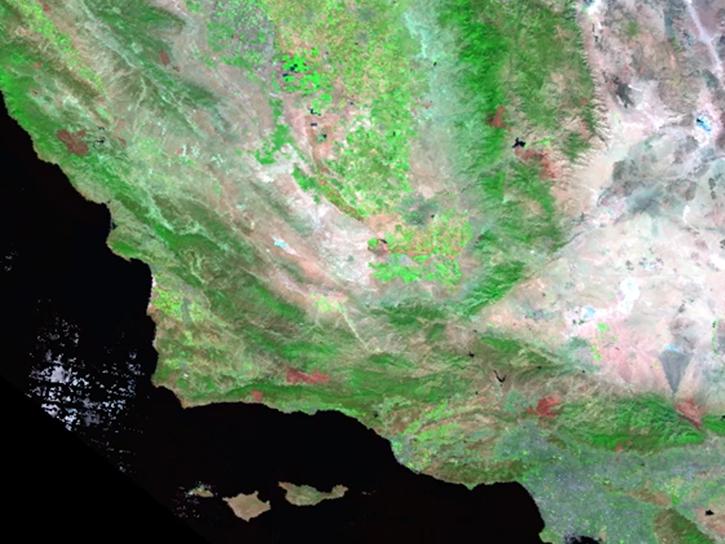
Learn about Moderate Resolution Imaging Spectroradiometer (MODIS) Version 6 Surface Reflectance data, including band combinations and data values.
Tutorial
Jan. 23, 2017
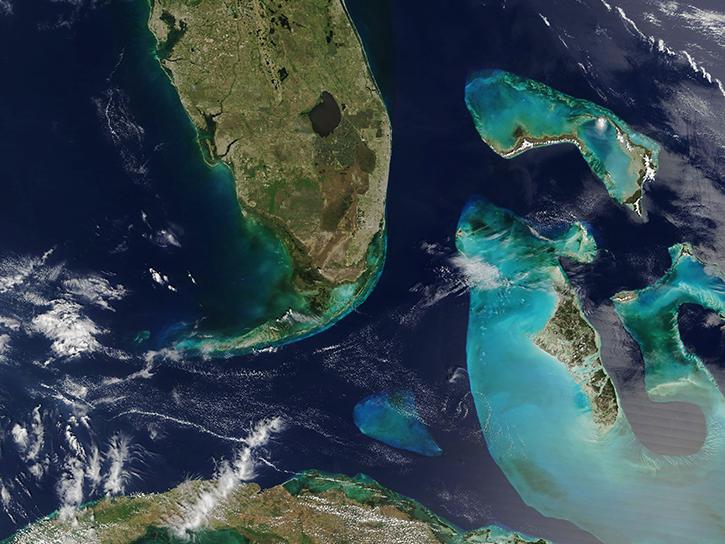
Learn to interpret Moderate Resolution Imaging Spectroradiometer (MODIS) Surface Reflectance data quality via Quality Assurance bits, tools, and resources.
Tutorial
Jan. 23, 2017

Learn how to interpret Moderate Resolution Imaging Spectroradiometer (MODIS) Land Surface Temperature data quality information, including decoding binary quality layers and utilizing tools for data analysis.
Tutorial
Jan. 23, 2017
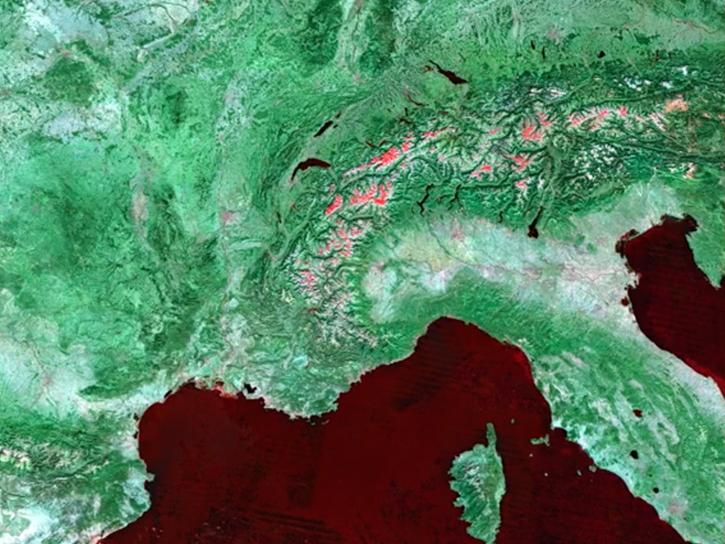
Learn how to access Moderate Resolution Imaging Spectroradiometer (MODIS) Surface Reflectance data through Earthdata Search.
Tutorial
Jan. 23, 2017
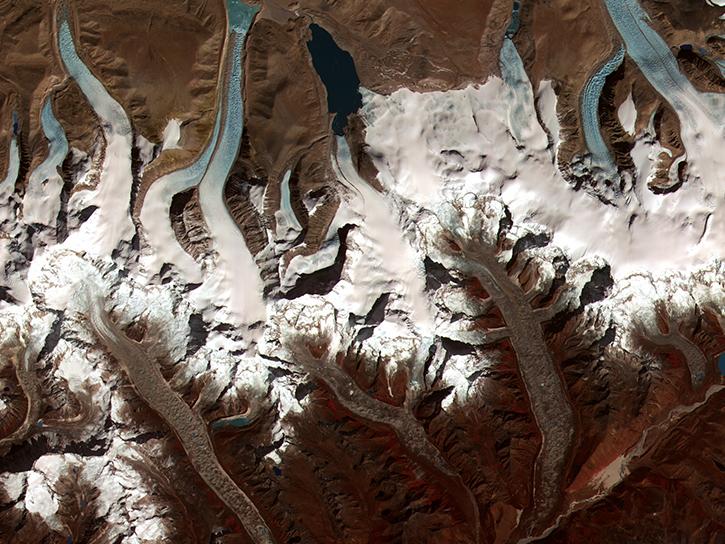
The Global Land Ice Measurements from Space (GLIMS) initiative uses satellite data to track glacier changes, providing vital data for climate and hazard studies.
Data in Action
Dec. 14, 2016
SHOWING 8 OF 236
Terra News
View All News
Filters

Join NASA’s LAADS DAAC to learn how new tools available through Harmony services help users work with Level-1 and atmospheric datasets more efficiently.
Webinar
July 16, 2025
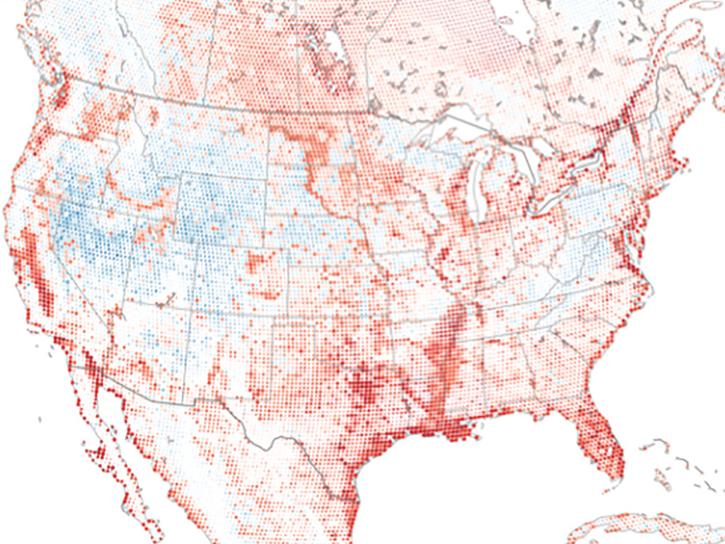
Researchers from Cornell's eBird project used observations from amateur birdwatchers and NASA data to better understand the decline in avian populations throughout North America.
News
June 17, 2025
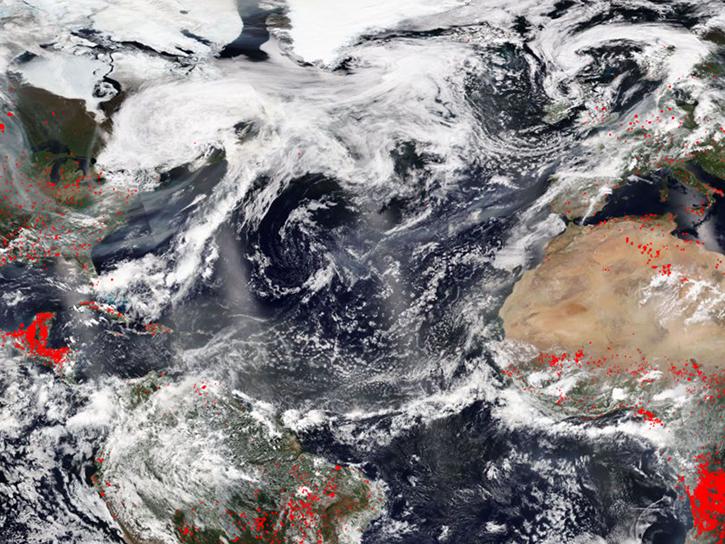
FIRMS was used to track the spread of smoke plumes during the Canadian wildland fires in June 2025.
Blog
June 17, 2025
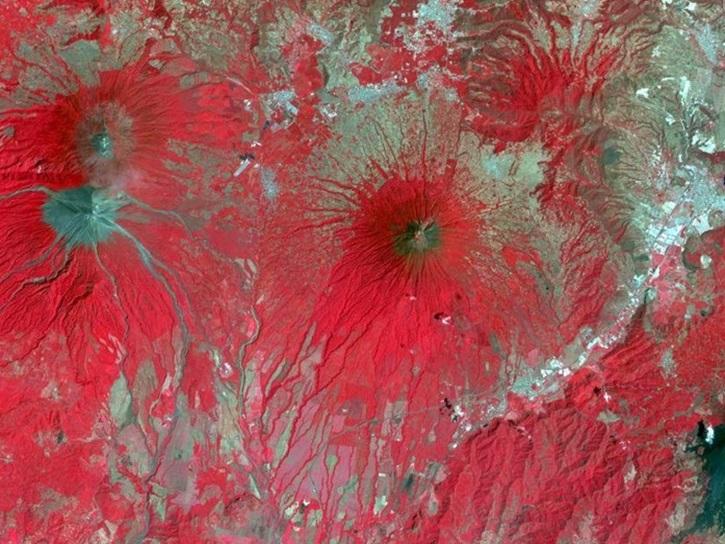
A summary of datasets, products, and resources released by NASA’s Distributed Active Archive Centers (DAACs) in May 2025.
News
June 12, 2025
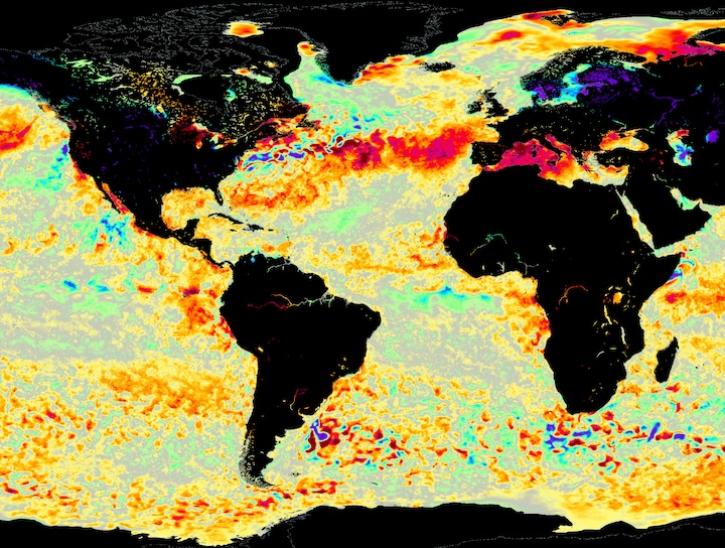
Image for June 8, 2025, from the GHRSST sea surface temperature analysis.
Worldview Image of the Week
June 9, 2025
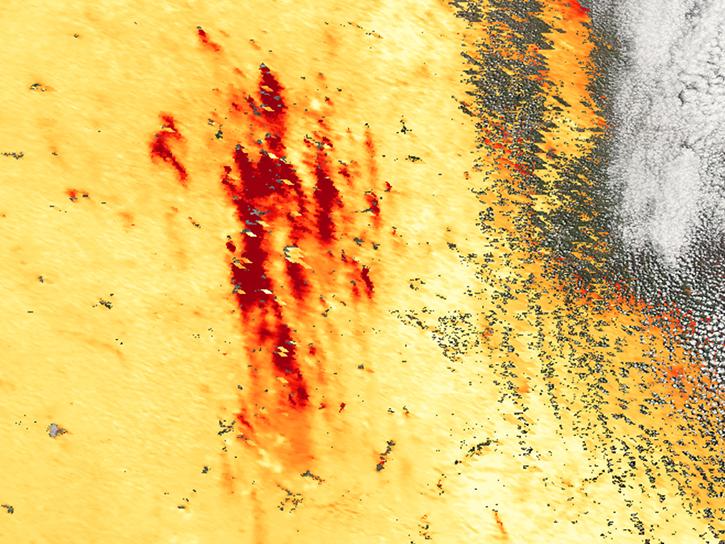
Annual prescribed burns are crucial for improving and maintaining pasture and crop land health, and remote sensing data provides near real-time information on location and air quality.
News
June 6, 2025
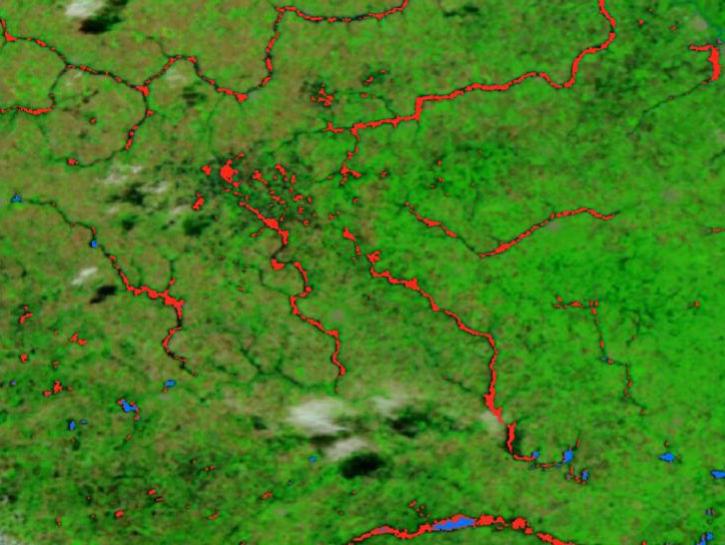
The new VIIRS near real-time product is already in use, and users are encouraged to explore this replacement option for MODIS-based flood products.
Blog
June 2, 2025
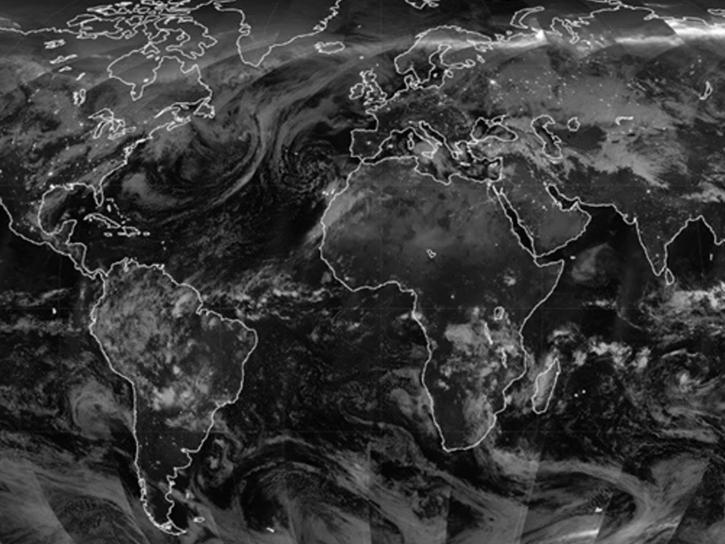
A summary of datasets, products, and resources released by NASA’s Distributed Active Archive Centers (DAACs) in April 2025.
News
May 13, 2025
SHOWING 8 OF 452
Frequently Asked Questions
Earthdata Forum
Our online forum provides a space for users to browse thousands of FAQs about research needs, data, and data applications. You can also submit new questions for our experts to answer.
Submit Questions to Earthdata Forumand View Expert Responses