Aboard NASA’s many platforms are sophisticated instruments that collect a wide range of data about our planet. Our instruments can track wildfires in real time, detect minute changes in the Earth’s atmosphere, and help agricultural communities optimize their crop cycles. Explore how our data can enhance your Earth science research.
 

Explore Instruments

Filters
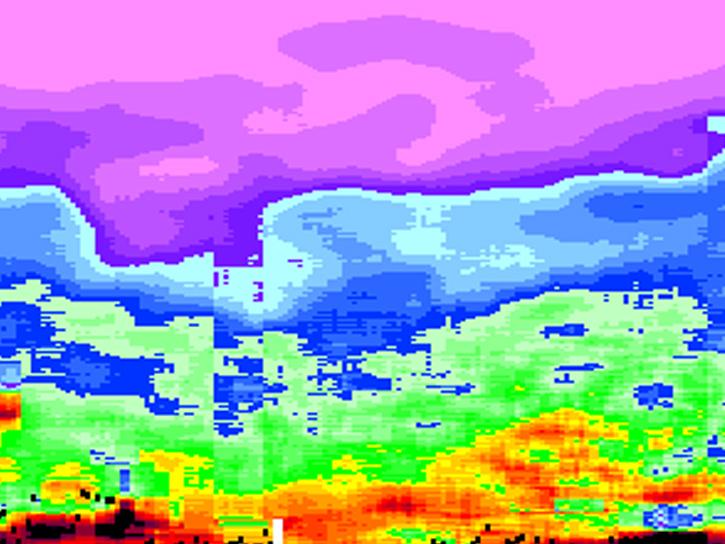
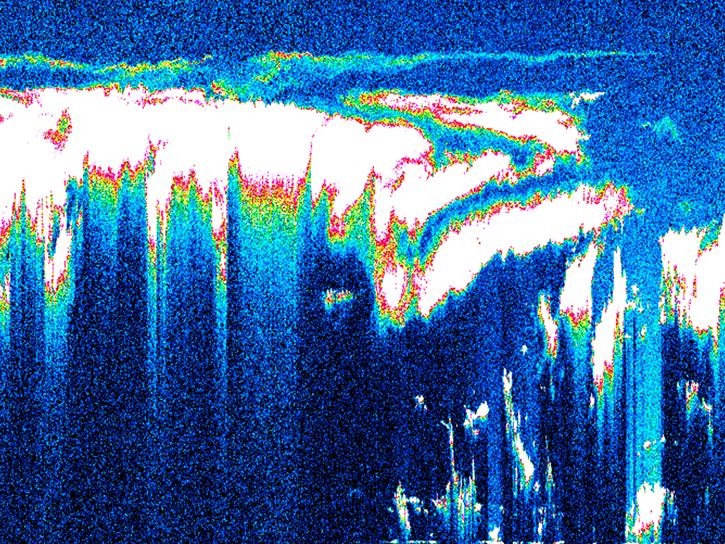
The Lidar Atmospheric Sensing Experiment (LASE) is an airborne lidar system that uses the differential absorption lidar technique to provide profile measurements of water vapor and aerosols in the atmosphere.
11 datasets

LIS

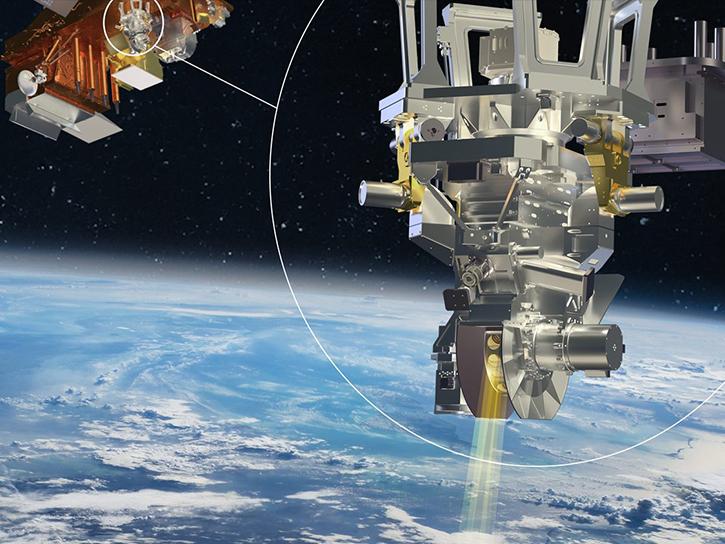
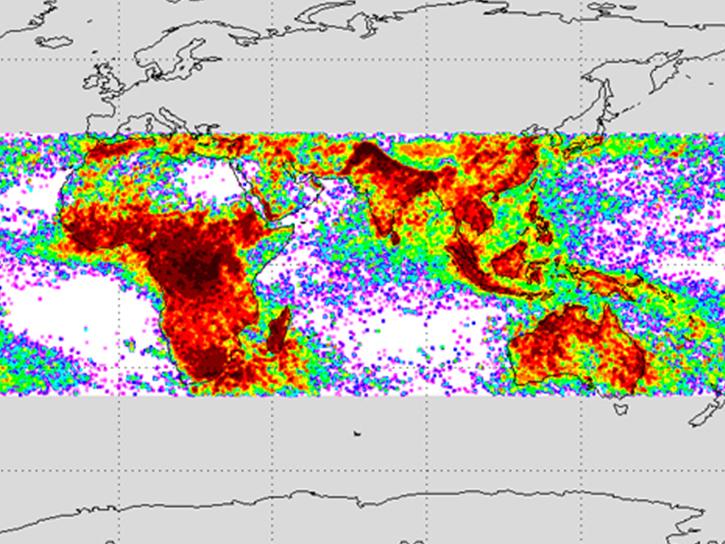
LIS is a space-based instrument used to detect the distribution and variability of total lightning (cloud-to-cloud, intra-cloud, and cloud-to-ground).
31 datasets
Lidar In-Space Technology Experiment (LITE) was used to study clouds, tropospheric and stratospheric aerosols, characteristics of the planetary boundary layer, stratospheric density and temperature perturbations, and to some degree, surface topography.

LMA

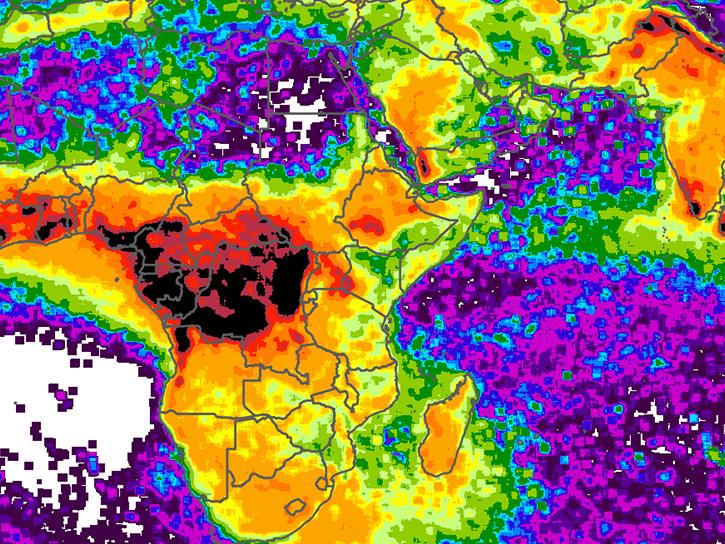
A Lightning Mapping Array (LMA) is a network of antennas, GPS receivers, and processing systems that detect total lightning.
12 datasets
SHOWING 8 OF 195

Join Our Community of NASA Data Users

While NASA data are openly available without restriction, an Earthdata Login is required to download data and to use some tools with full functionality.

Learn About the Benefits of Earthdata Login

Frequently Asked Questions

Earthdata Forum

Our online forum provides a space for users to browse thousands of FAQs about research needs, data, and data applications. You can also submit new questions for our experts to answer.

Submit Questions to Earthdata Forumand View Expert Responses

Earthdata
Forum