Delivery of Suomi National Polar-orbiting Partnership (Suomi NPP) satellite data products will cease on November 1, 2026. Data users should transition now to alternative products from NOAA-21 and NOAA-20.
Suomi NPP data announcement
NSIDC DAAC Learning Resources
Webinars, tutorials, data recipes and more to help you work with NSIDC DAAC.
Filters
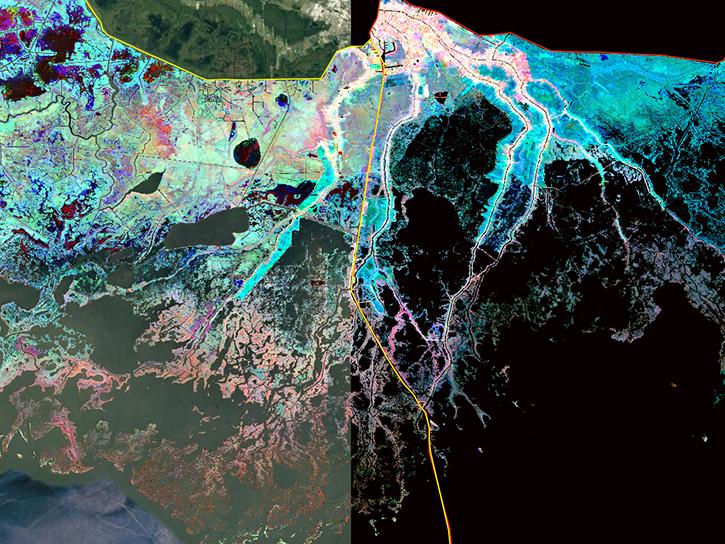
Join us to learn more about datasets and tools that enable the harmonization of remote sensing and in situ ecological data products for site-based research.
Webinar
Aug. 22, 2024
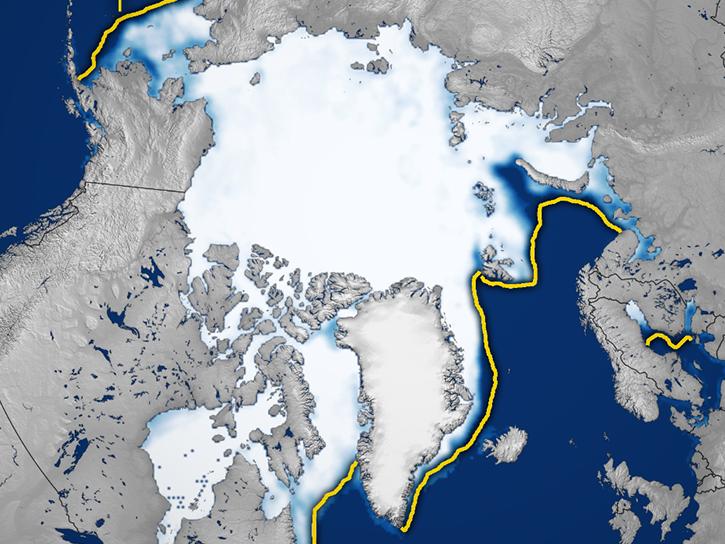
Join us for a tour of enhanced data product landing pages, new user resources, data visualization tools, and a Jupyter Notebook tutorial to access cryospheric data at NASA's National Snow and Ice Data Center DAAC.
Webinar
Aug. 22, 2024
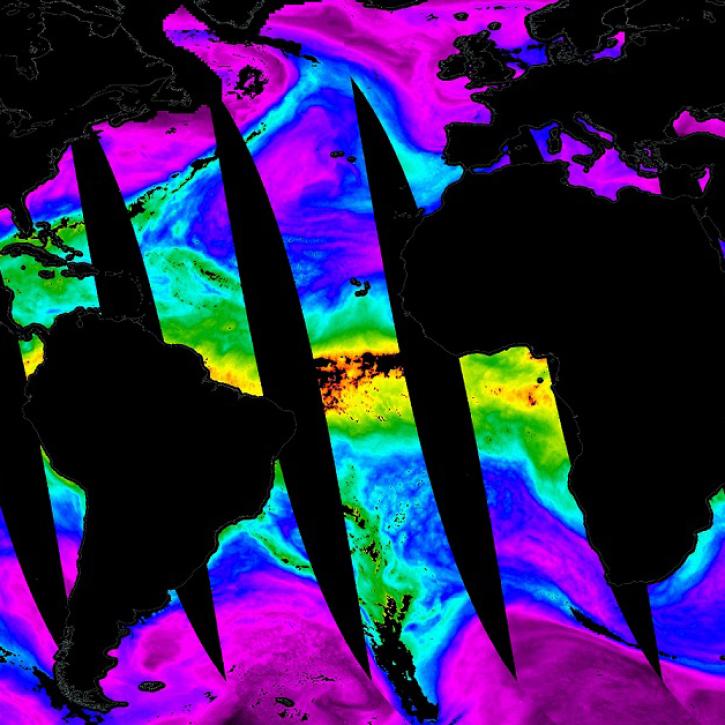
Learn how to access and visualize NASA's Advanced Microwave Scanning Radiometer HDF-EOS5 Point product in Python via OPeNDAP.
Data Recipe
May 31, 2024
Learn more about NASA's Application for Extracting and Exploring Analysis Ready Samples (AppEEARS). This webinar showcases the system's capabilities and highlights learning resources to help simplify data access workflows using AppEEARS.
Webinar
April 9, 2024

This webinar provides a demonstration of using NASA's Catalog of Archived Suborbital Earth Science Investigations (CASEI) for exploring past and present airborne and field campaign platforms, instruments, geophysical concepts, and data products.
Webinar
Aug. 10, 2023
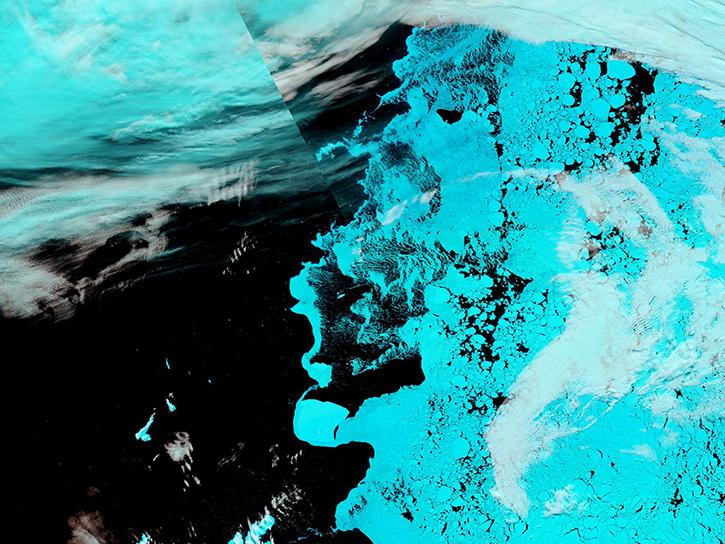
Working with data in the cloud can seem daunting, but it doesn’t need to be! Join us August 2 at 2 p.m., EDT [UTC -4], for a demonstration of two straightforward workflows for accessing NASA's snow and ice data in the Earthdata Cloud.
Webinar
July 16, 2023

Join us for a tour of enhanced data product landing pages, new user resources, data visualization tools, and a Jupyter Notebook tutorial to access cryospheric data at NSIDC DAAC.
Webinar
Aug. 16, 2022
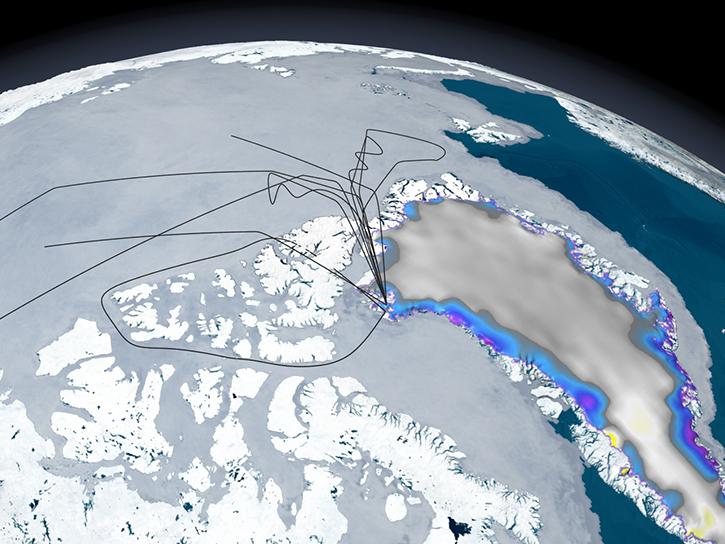
NASA’s Operation IceBridge airborne mission has flown over 700 flights through some of the most stunning regions of the Arctic and Antarctic. Join us to learn how to discover and access data that “bridges” the gap between the ICESat and ICESat-2 missions.
Webinar
April 19, 2022
SHOWING 8 OF 30