Introduction
Water quality is a public health safety concern for North Carolina residents, where approximately 25% of the population — or 2.4 million people — rely on private wells for drinking water. By design, water from wells is susceptible to contamination during heavy storms. As floodwater rises, it can enter through the vents and seals of these systems, thereby introducing contaminants into water intended for human consumption. Wells impacted by stormwater intrusions are eight times more likely to have fecal matter in their water, which causes digestive illnesses. As oceans warm and the air holds more moisture, storms are becoming stronger, more frequent, and more likely to cause extreme flooding.
Local health departments across North Carolina have emphasized the importance of developing tools to evaluate the risks posed to water systems after major storms. The North Carolina Department of Health and Human Services (NC DHHS) has noted that determining the extent of water system contamination and identifying infrastructure at risk remains a critical post-storm challenge. Without reliable data, it is hard to prioritize which areas require targeted mitigation and long-term improvements.
Two Flood Events in North Carolina
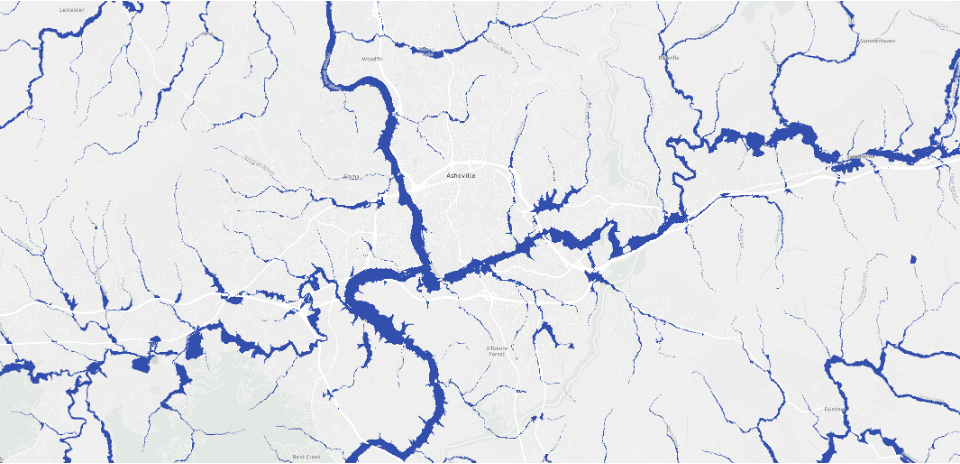
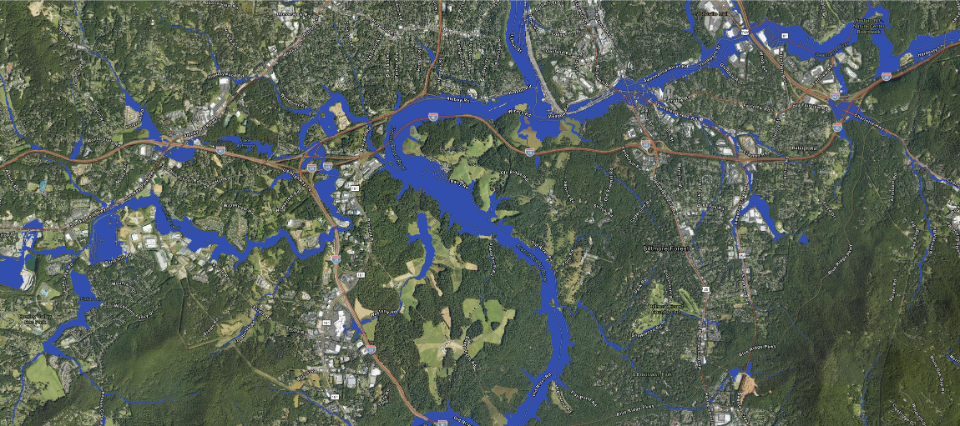
In 2024 and 2025, North Carolina experienced two major weather events: Hurricane Helene and Tropical Storm Chantal. These storms caused extensive flooding, which placed additional pressure on water infrastructure across the state.
To improve storm resiliency and support post-storm risk assessments, NASA partnered with Ed Beighley at Northeastern University, Kelsey Pieper at the University of North Carolina at Charlotte, and the NC DHHS Environmental Health Section to develop the Emergency Environmental Health Dashboard, an online data tool that leverages NASA’s historical record of satellite imagery to help assess impacts to water systems and private wells following hurricanes and storms. Funded through NASA’s Water Resources Program, this project demonstrates the potential for satellite data to enhance state and local planning efforts related to extreme weather impacts.
“This project shows the power of partnership,” said Erin Urquhart, program manager for the Water Resources Program. “By combining NASA’s global satellite record with local expertise, we can provide tools to assess the risks to communities and their water resources in the moments they need them most.”
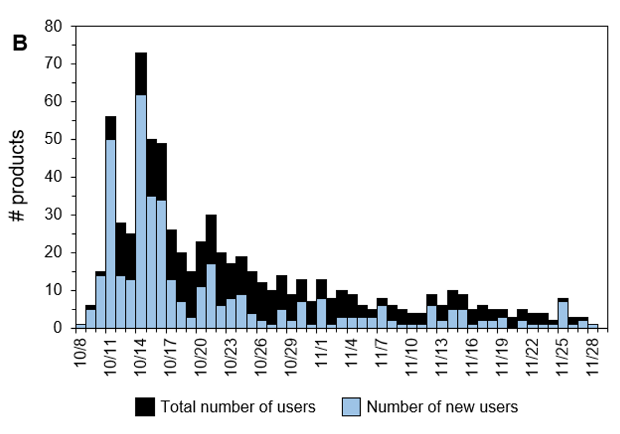
After Hurricane Helene and Tropical Storm Chantal, the dashboard provided valuable quantifiable data to health departments, which supported their ability to evaluate water quality risks and water infrastructure damage. By identifying areas most impacted by storm-related contamination, local officials were better equipped to make strategic decisions about resource allocation and prioritize long-term mitigation measures.
Using NASA Data and ML to Assess Storm Impacts
To develop the dashboard, the science team used a suite of NASA data and modeling techniques such as machine learning to provide local health departments with flood extent and potential impacts to environmental health services like drinking water supplies and fire stations.